In most categories, a brand's awareness score and its market position tell roughly the same story. In health and fitness they can diverge, and the divergence has a structure to it. The people who know your category best, the coaches and practitioners who steer purchases every working day, hold a view of your brand that the average consumer has not formed yet. That distance between the two views is the awareness gap, and it is the reason a perfectly clean consumer tracking number can still mislead a wellness brand.
One thing before the argument. This is an explainer, not a data report. The size of the gap is specific to a brand: it comes from asking coaches and their clients about the same brands on the same instrument, which is what a two-sided tracking wave does, and we do not estimate a category-wide figure here. What follows is the structural case for why the gap exists at all, what it does to a consumer-side awareness score, and what a brand can do about it.
The short answer
The awareness gap is the distance between what health and fitness professionals know and recommend, and what consumers can report about a brand. It exists because the professional forms a view first and passes it on. Consumer awareness arrives as a filtered, delayed echo of the professional view, not as an independent signal.
~7 in 10
coaches recommend at least one supplement category to their clients
2,184
valid professional responses behind that figure, fielded March to September 2026
40,000+
professionals in the hale ecosystem the professional view is read from
Where the one number on this page comes from
Source. An internal research project across the hale ecosystem, which serves more than 40,000 fitness and health professionals and their clients. Findings combine a voluntary practice-profile survey (2,184 valid responses, fielded March to September 2026) with platform activity across a 90-day window in 2026.
Definitions. “Recommends at least one supplement category” is the share of surveyed professionals who report recommending one or more categories to clients. The topline is roughly seven in ten, with about three in ten recommending none.
Scope. A read of a professional network, not a census of the entire non-clinical workforce. The ecosystem sample skews towards independent, digitally engaged practitioners, so read it as a directional baseline. Figures are rounded.
Privacy. Everything is aggregated and anonymised. No individual coach, client or business is identifiable, and no personally identifiable information is included.
Why the professional's view forms first
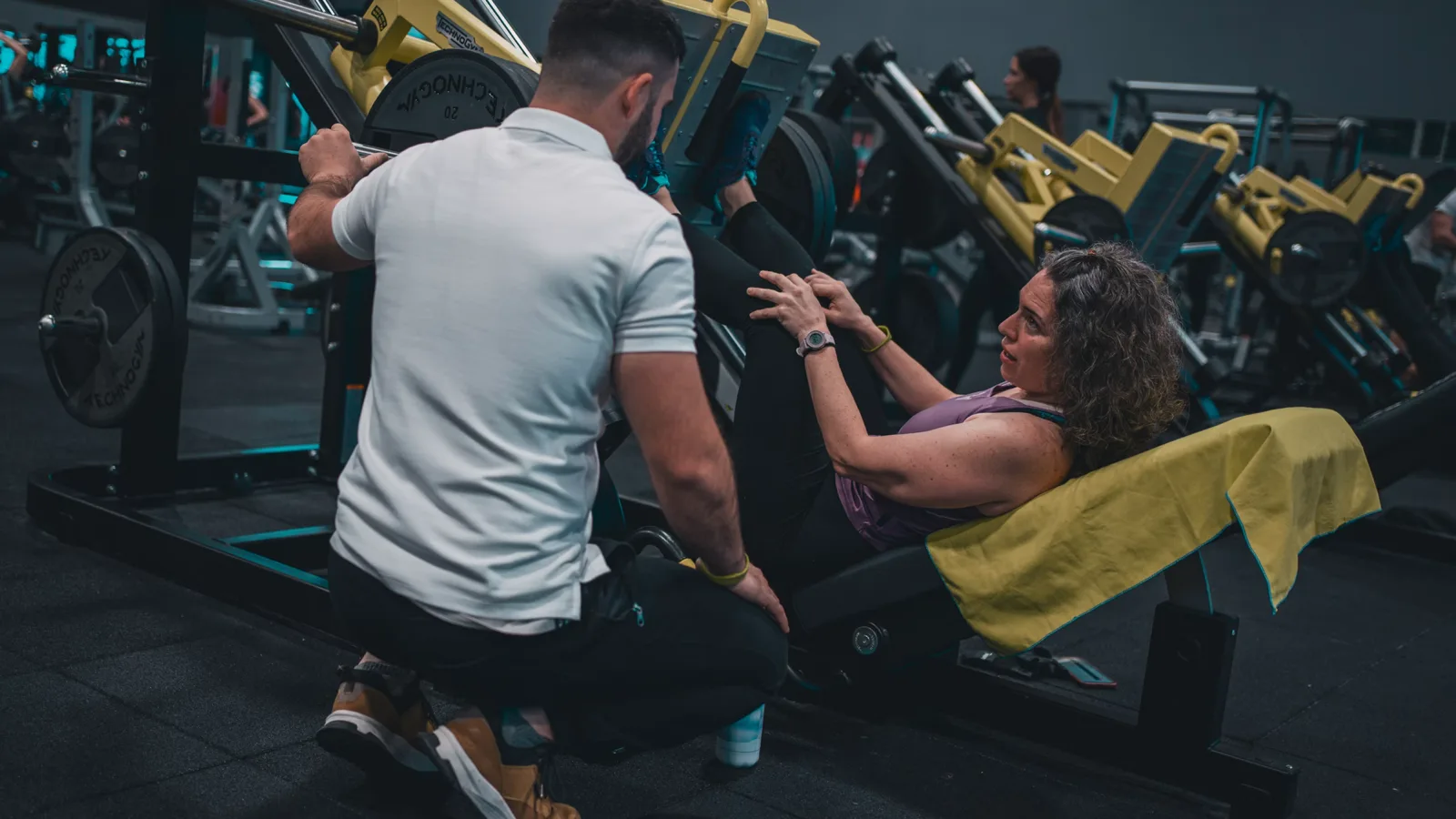
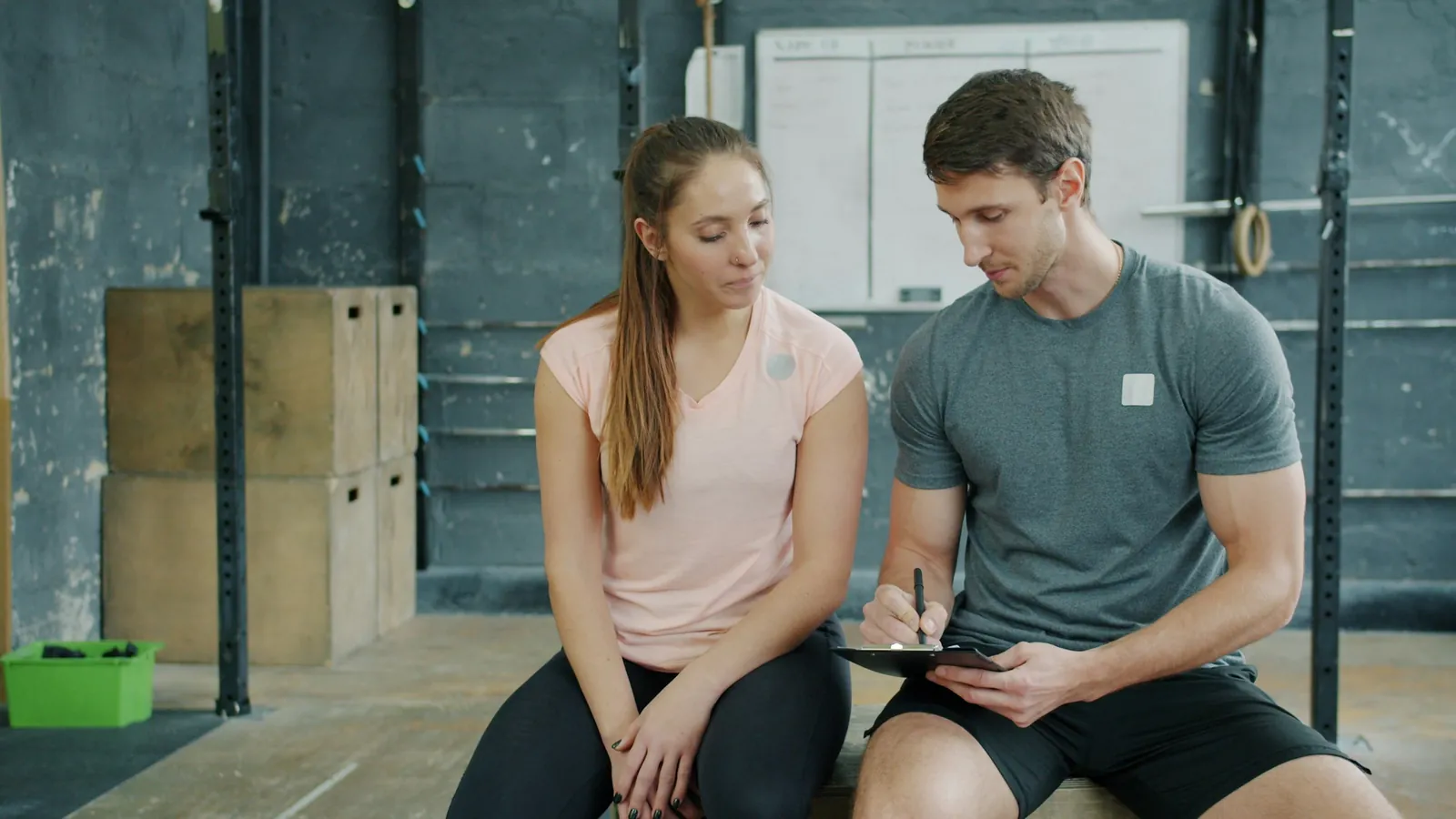
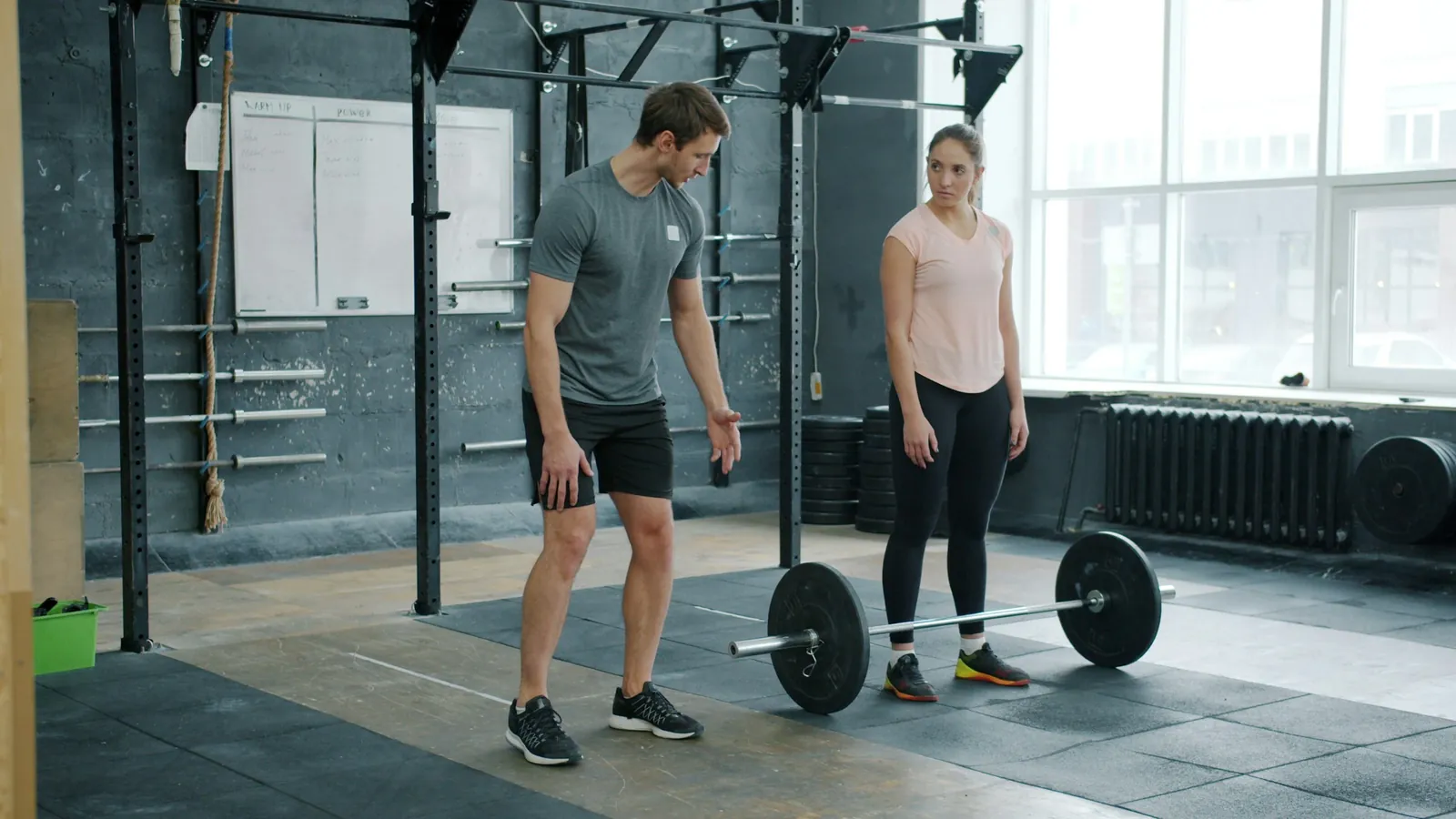
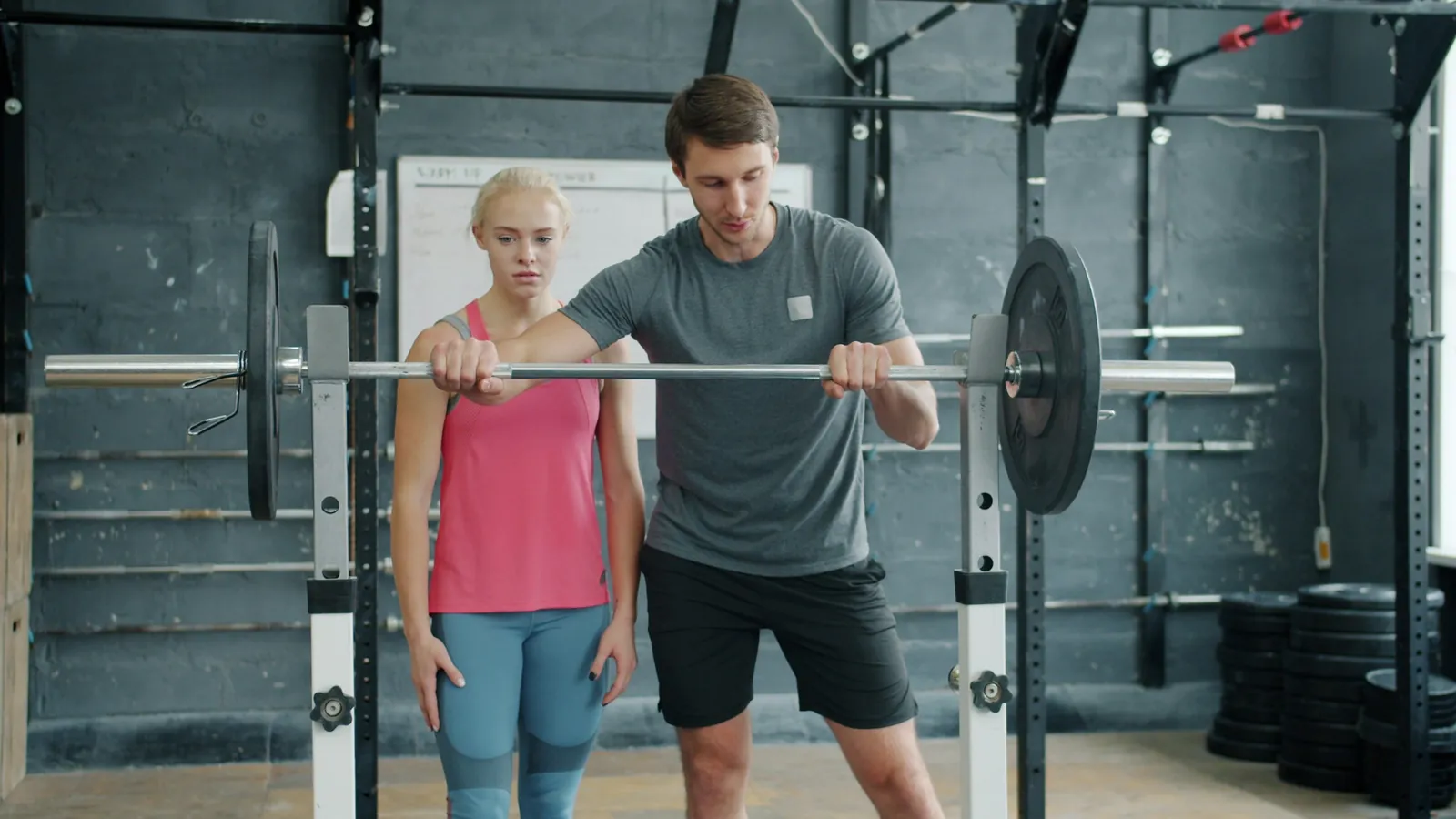
A client hires a coach precisely to hand over decisions. Which programme, how much load, what to eat around training, and, quietly, which products are worth their money. The purchase questions arrive one at a time, mid-plan, and the professional answers them from experience the consumer has not had the chance to accumulate. By the time a consumer answers a survey question about a brand in this category, that brand has usually already been filtered through somebody's professional judgement.
The Ehrenberg-Bass Institute's work on mental availability, popularised by Byron Sharp, holds that brands win by coming to mind in buying situations. In this category, the buying situation is often a conversation with a professional. That is where a category shortlist gets built, trimmed and re-ordered before the consumer ever opens a tab. A general-population tracker samples the shopper. It is structurally blind to the room where the shortlist was made.
What a consumer awareness score is actually measuring here
Read literally, an awareness score claims to tell you how known your brand is. In this category it is better read as a delayed report on the recommendation layer. Where the professional view is strong, consumer awareness tends to follow it in, the way water follows a channel that was cut earlier. Where the professional view has drifted to a competitor, a flat or falling consumer score is usually the last place that drift shows up.
That lag cuts both ways, and it is worth being precise about the two failure modes. A brand can look weaker in consumer awareness than it is among the people who actually steer purchases, which reads as a problem when it is really an opportunity at an early stage. The reverse is more expensive: borrowed awareness from heavy promotion, with no professional base underneath, looks healthy on a dashboard right up to the point where the promotions stop. Neither situation is visible in a consumer-only number. Both are visible when the professional side is in the frame.
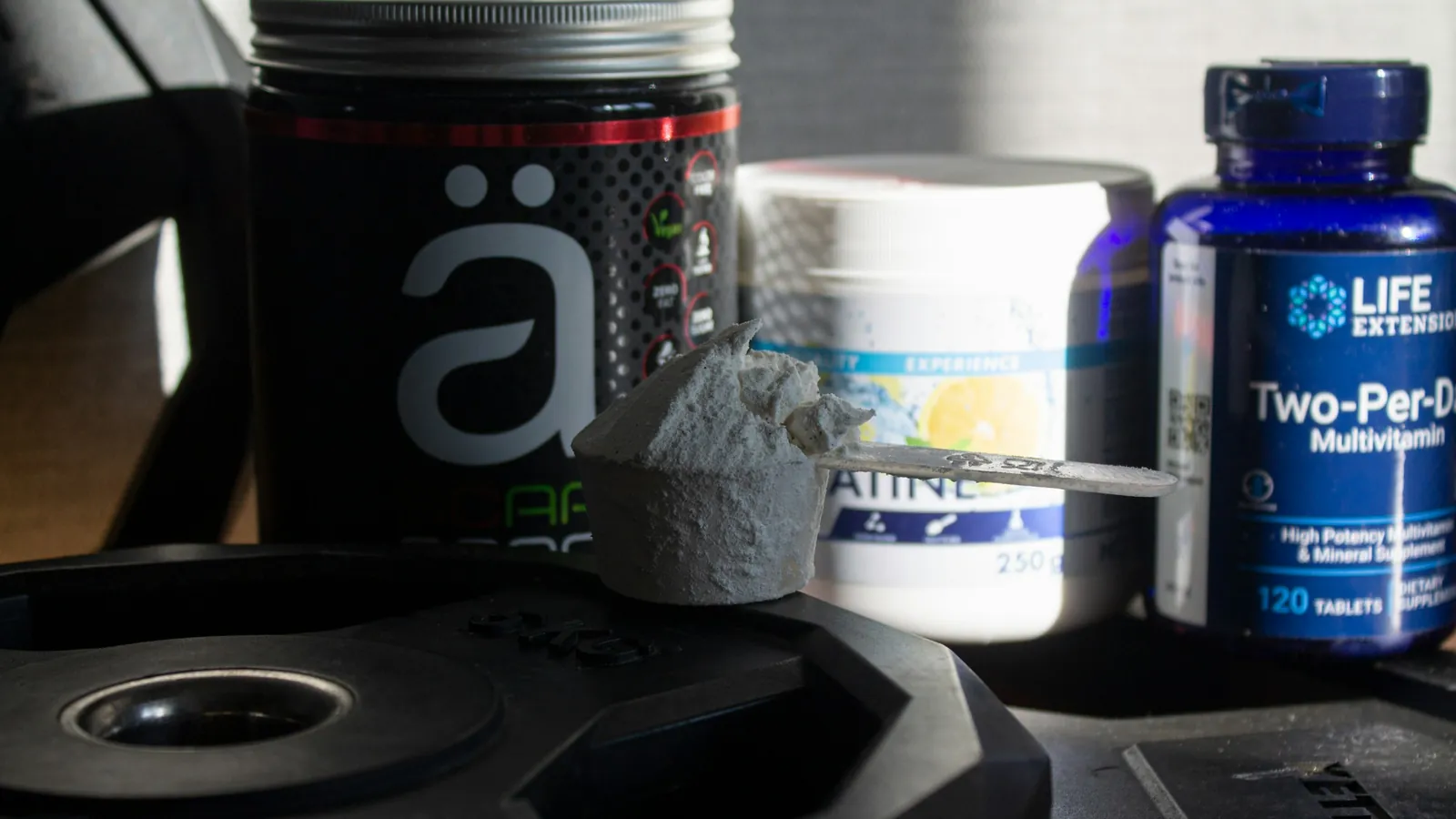
The professional side is measurable, and it is already active. Across the hale ecosystem, roughly seven in ten coaches recommend at least one supplement category to their clients. A population that size, recommending that often, is not a fringe channel. It is the layer a meaningful share of the category is decided in, which is the subject of the recommendation layer research.
How a two-sided read sizes the gap
Everything above is structure. The one number this page carries is professional-side only. Sizing the gap itself means setting professional-stated awareness against client-stated awareness of the same brands, on the same instrument, in the same wave. That paired read is what a two-sided tracking engagement runs for a brand and its competitive set, and it is the reason the panel holds both sides rather than one.
A vague version of this claim, an unspecified split between what coaches know and what consumers can report, would be easy to say and worthless to cite. The useful version is brand-specific, and Both Sides of the Sale explains the method behind it. What the panel already shows at the category level is the first link in the chain: describing a supplement that has worked, fewer than 1 in 20 coaches name a brand at all, as set out in the ingredients-not-brands report. Where coaches do not name brands, clients cannot learn brands from them, and consumer awareness has to come from somewhere else.
What a brand can do about the gap
Three practical moves follow. First, stop reading consumer awareness as a standalone verdict and read it next to a professional-side measure, so divergence shows up as a question rather than a surprise. The measures and how they fit together are in the guide to what brand tracking is. Second, treat a professional view running well ahead of consumer numbers as an early-stage opportunity worth verifying, not a rounding error. Third, do it continuously: the gap moves month to month, and an annual read turns a leading indicator into a historical one. The metric set worth watching sits in the brand health metrics guide.
And whether professionals actually move purchases, not just opinions, has its own evidence base. The standalone data report on that question is Do Fitness Professionals Influence What Clients Buy?, and the mechanics of why a coach's word travels further than an ad are in Word of Mouth in Fitness.
Measure the side your tracker misses
If your awareness number is doing all the talking and the professionals who shape purchases are silent in it, the gap is doing your deciding for you. hale measures perception among coaches and their clients, continuously, in the markets you care about.
Frequently asked questions
What is the awareness gap in health and fitness marketing?
It is the distance between what health and fitness professionals know and recommend, and what consumers can report about a brand. The professional forms a view first and passes it on, so consumer awareness arrives as a filtered, delayed echo of the professional view rather than an independent signal.
Why do consumer awareness scores lag in this category?
Because purchase decisions are frequently shaped, or made outright, by a coach before the consumer weighs in. Across the hale ecosystem, roughly seven in ten coaches recommend at least one supplement category to their clients. A tracker that samples only consumers measures the outcome of that layer and never the layer itself.
How is the awareness gap measured?
By asking professionals and their clients about the same brands, on the same instrument, in the same wave, and reading the distance between the two. That paired read is brand-specific, so it runs inside a tracking engagement for one brand and its competitive set. hale publishes the professional-side topline, the roughly seven-in-ten recommend rate, and no category-wide gap figure.
Published September 2026. The professional-side figure on this page is drawn from an internal research project across the hale ecosystem of 40,000+ professionals and their clients; the paired two-sided awareness read is brand-specific and nothing on this page estimates a gap figure. hale is a health-tech holding company; its coaching platforms, QuickCoach and FitFocus, form the network behind this research. To see what the professional side of your category looks like, start a conversation or reach us at research@halehealth.io.
How hale research works: the panel, the instruments and the privacy rules.