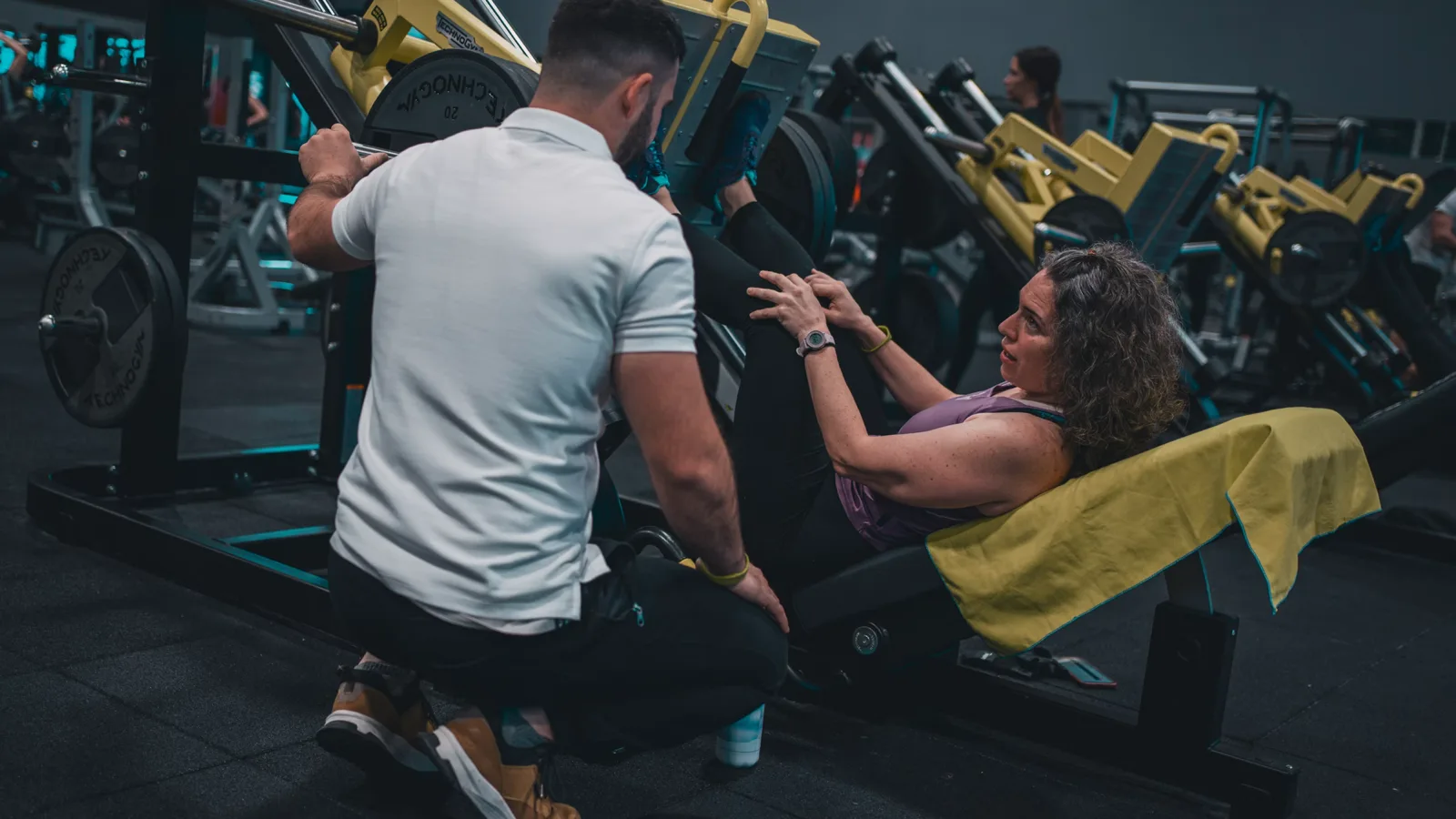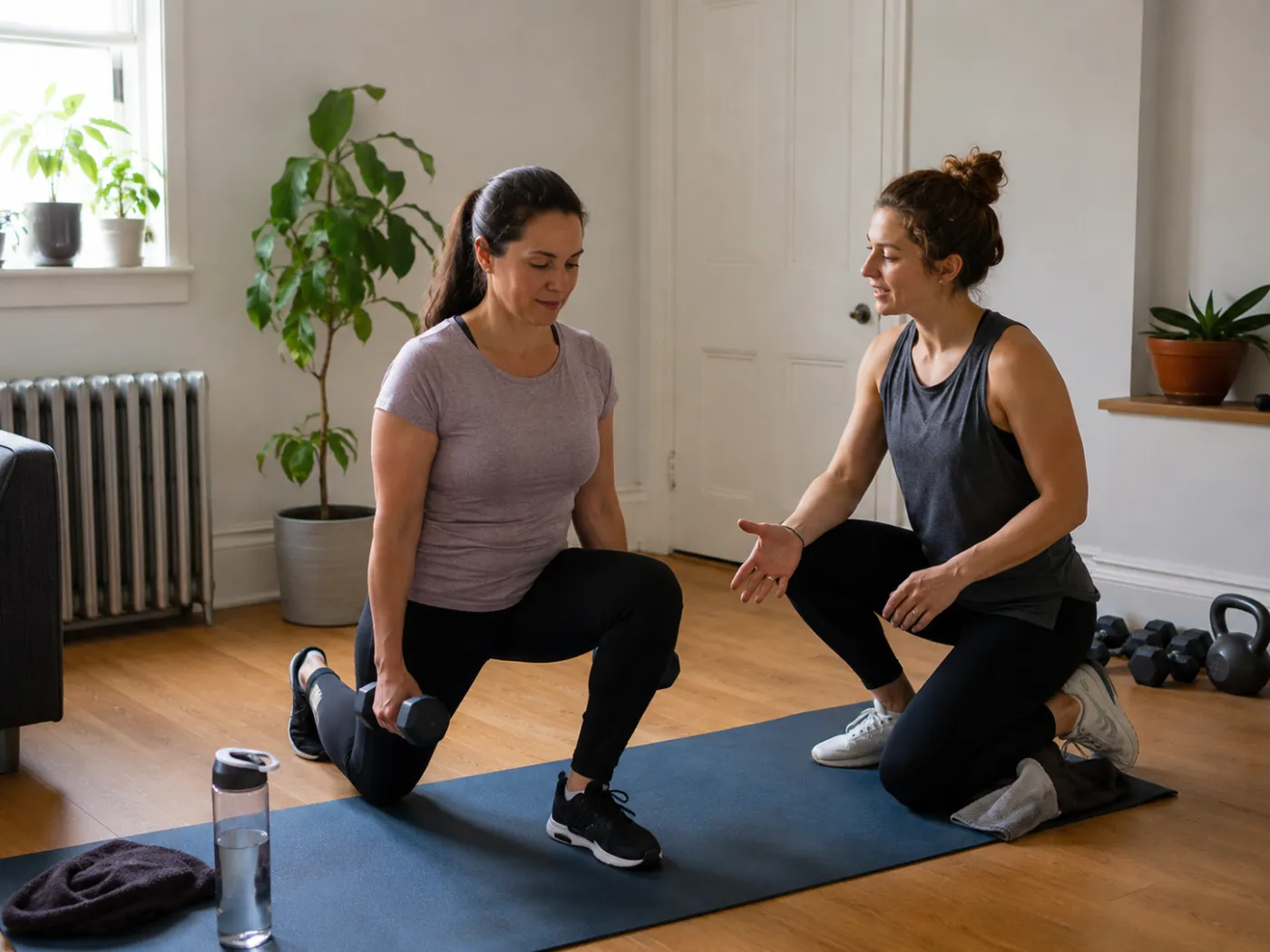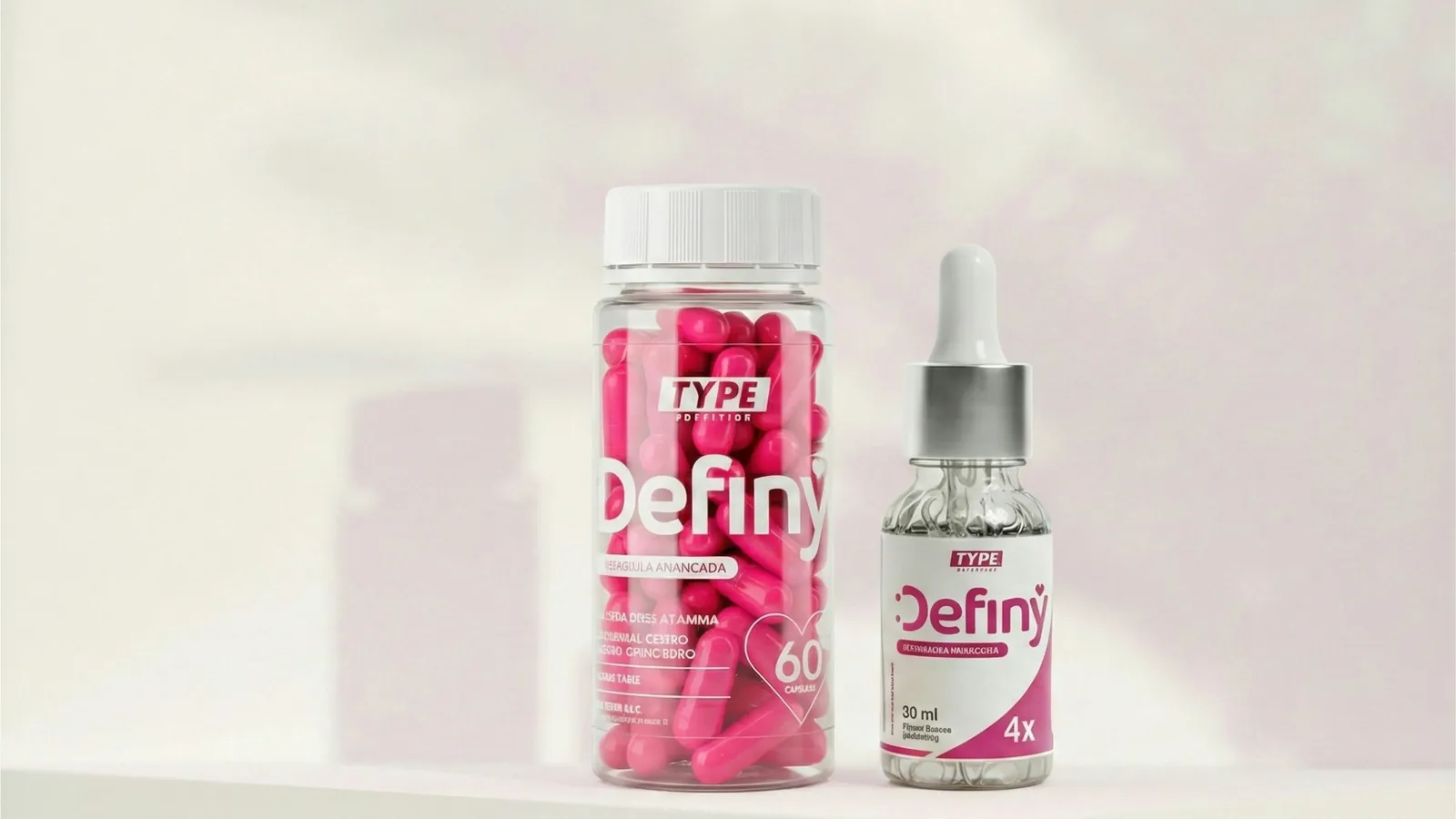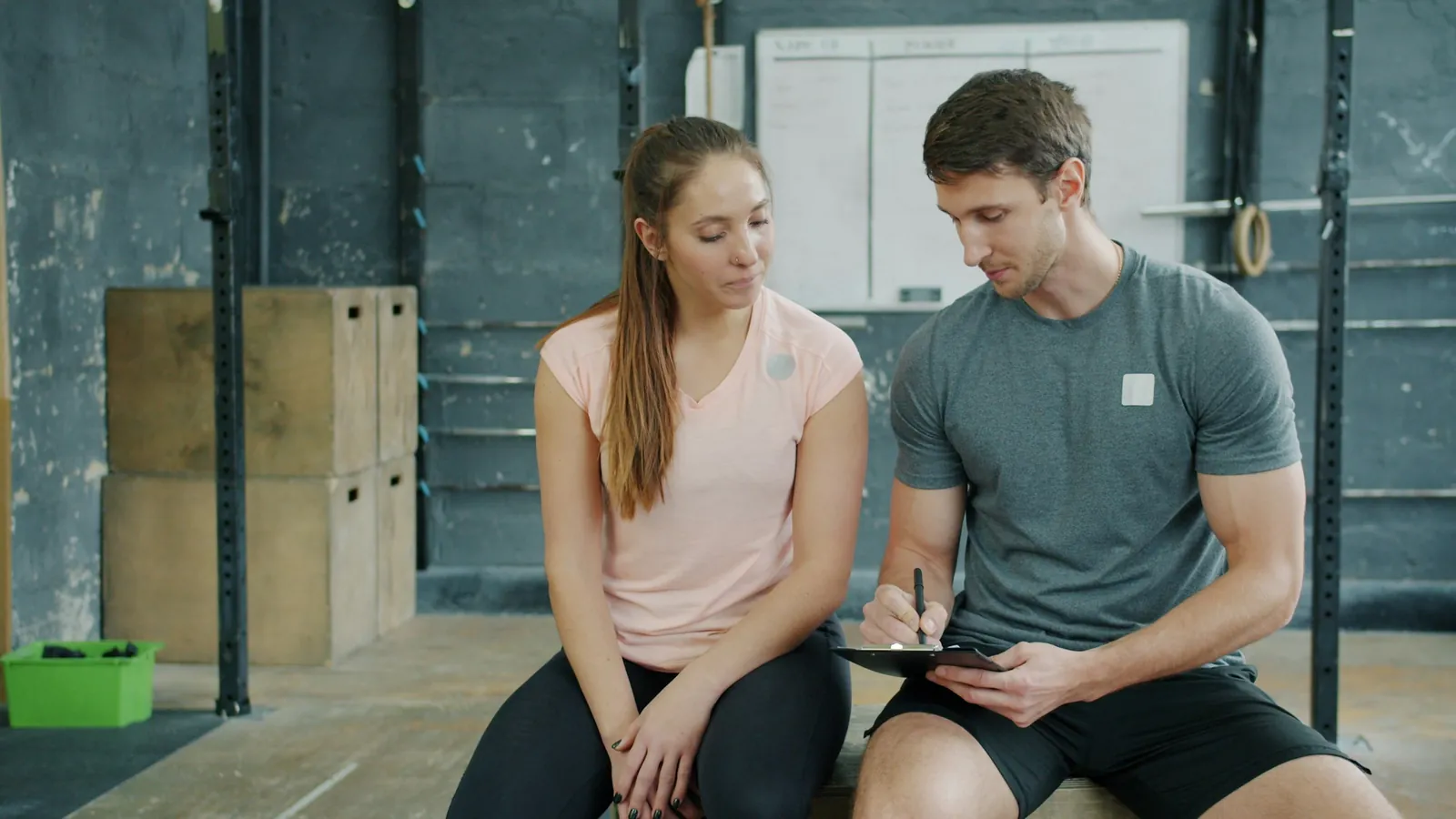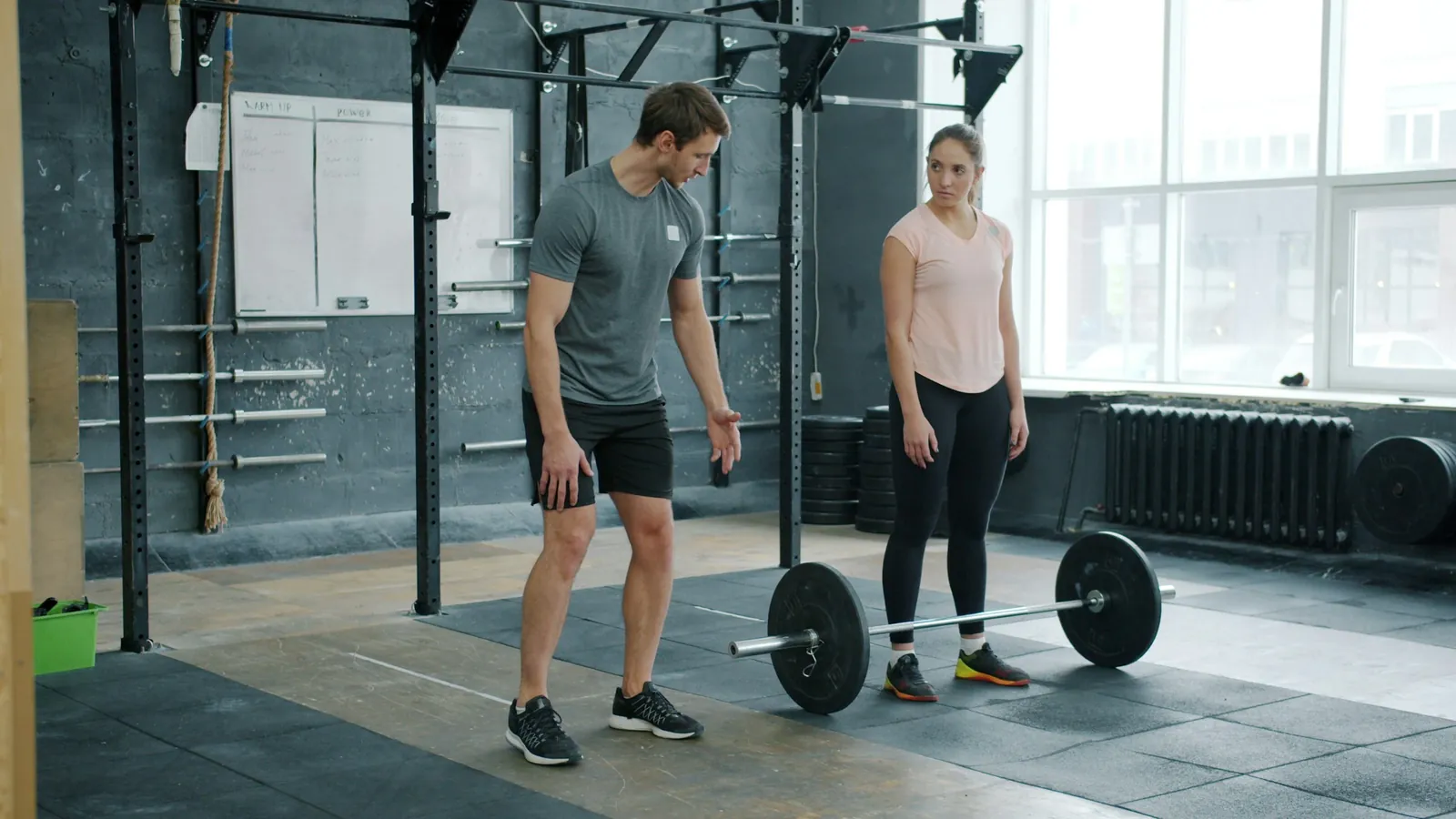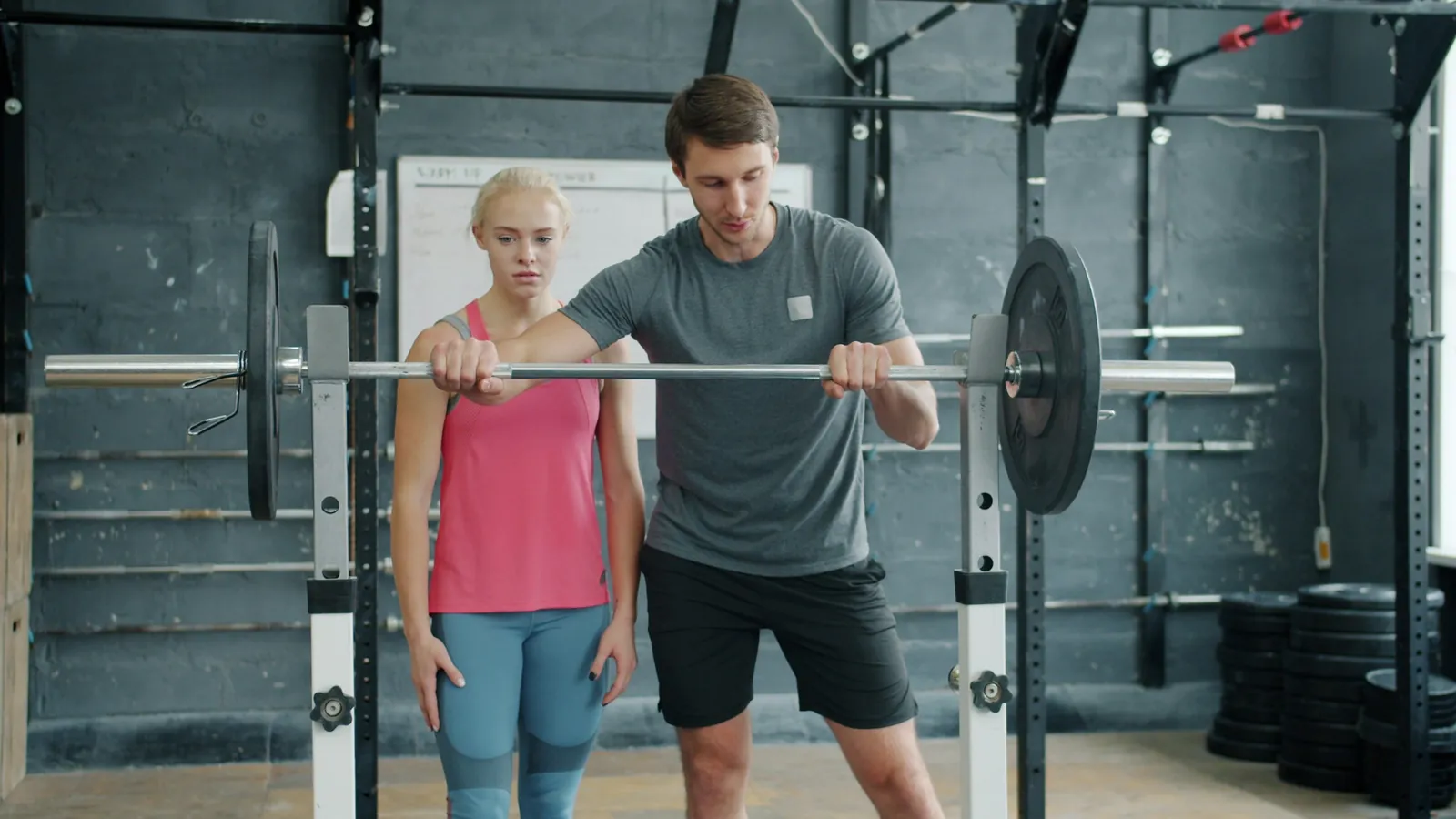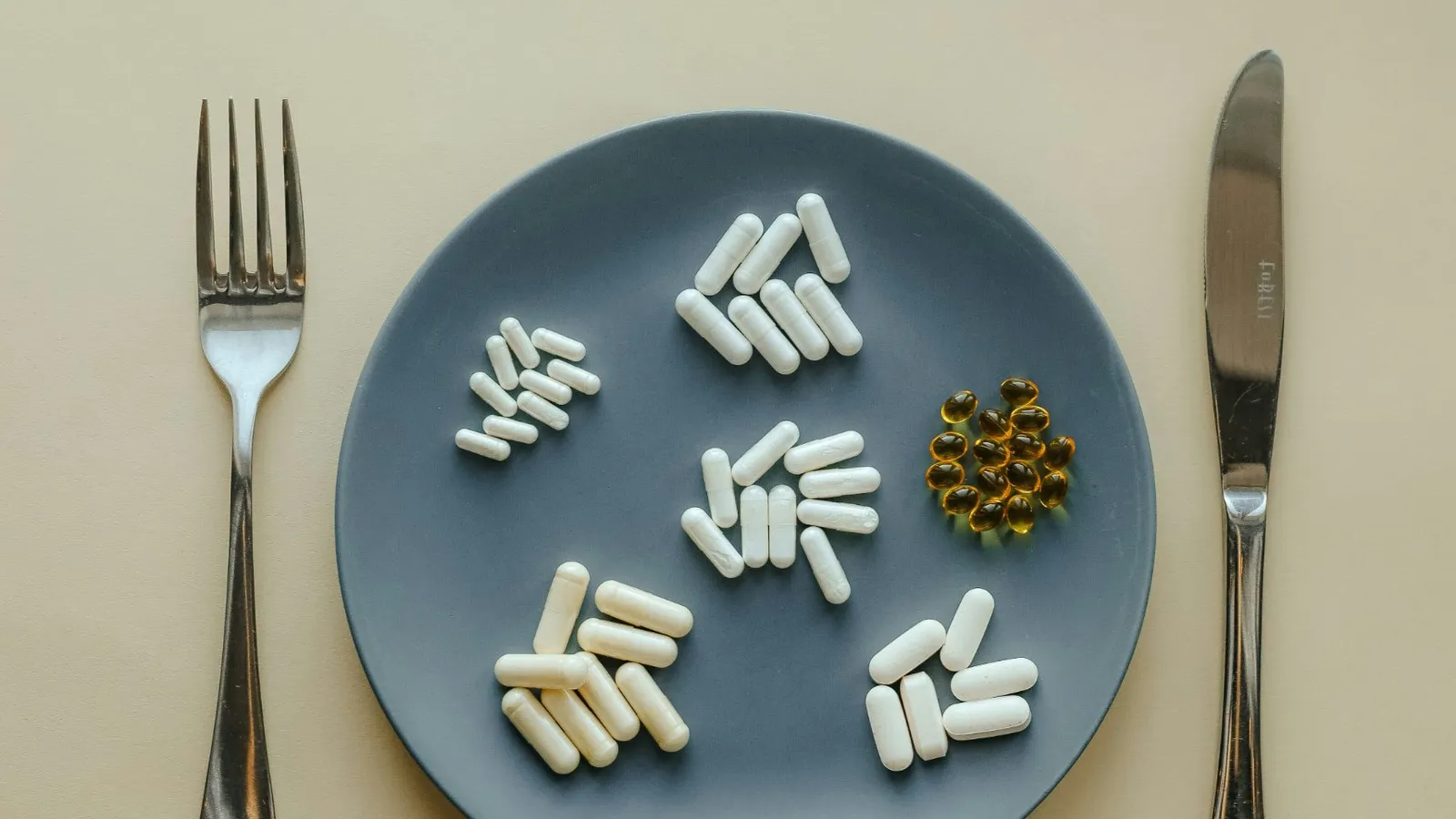
Ask a supplement brand where its category is decided and the answer usually points at the shelf: market-size figures, retail data, consumer surveys. This report starts one step earlier. Before a client stands in front of that shelf, they frequently ask their coach what to take. The answer to that question is where the supplement category gets sorted, and it has mostly been invisible, because it happens in private messages, not at the point of sale.
We can see it, because we run the network the question travels on. QuickCoach, one of the coaching platforms behind the hale panel, serves more than 40,000 fitness and health professionals. In June 2026 its team pulled a single voluntary survey question, asking coaches which supplement categories, if any, they recommend to clients, and ran it against a randomised sample of 1,000 coaches at a 95% confidence level. The published audit carries the full method at Do Online Coaches Recommend Supplements?. What follows reads that cut from the brand side, because the ranking it produces is the order in which products enter a client's world.
The short answer
About seven in ten coaches field the supplement question and answer it. What they push first is a training staple: protein is the single most-named category and heads the training-staple group that leads the audit, followed by post-workout recovery aids such as magnesium, omega-3 and collagen, then everyday health and immunity products, with pre-workout and energy items named least. The recommendation layer leads with the workout, not the wellness aisle.
Protein
the single most-named category when coaches recommend supplements
1,000
coaches in the randomised audit sample
69.7%
recommend at least one supplement category, on 2,184 valid responses; 30.3% recommend none
40,000+
coaches and fitness businesses on the platform behind the audit
What this is, in one paragraph
This is a read of one voluntary survey question, not a nutrition study. A randomised sample of 1,000 coaches was drawn from the voluntary QuickCoach survey pool across a platform used by more than 40,000 fitness and health professionals, with the sample size set in advance to hold the margin of error at roughly three percentage points at the 95% confidence level. Coaches could pick more than one category, or say they recommend none; the ranked output reflects how often each option was named. Everything is aggregated and anonymised, with no individual coach identifiable. The findings read as a strong signal about the QuickCoach-skewed population surveyed, and a directional one about the wider workforce. The full method sits at the foot of the page.
What the recommendation layer pushes
Rank the categories by how often coaches named them and a clear shape appears, in the order the audit published:
- Training staples. Products taken around the training block come up most often, with protein the single most-named category. The coach reaching for them is thinking about the session in front of the client and the daily protein target behind it.
- Post-workout recovery aids. Joint and inflammation support such as magnesium, omega-3 or collagen, taken around training to support repair.
- Everyday health and immunity. General multivitamins and similar daily products, not tied to a specific workout.
- Pre-workout and energy products. Stimulant-based pre-workouts and energy aids, the categories coaches name least often.
The split inside that list matters as much as the order. The staples sit close to the training itself, which is the part of the relationship the coach already owns. The bottom tier sits in the wellness aisle, where the coach has less standing and less conviction, and the audit shows it: these are the categories named least often. A recommendation travels as far as the professional's perceived competence, and that perimeter is drawn around the workout.
Two follow-up reads fill in what an order cannot show. Recommending coaches name 2.2 categories on average, so most clients hear several tiers of this list at once, as set out in the recommendation breadth report. And when coaches describe a supplement that worked, they name the ingredient far more often than the brand, which is the subject of why coaches recommend ingredients, not brands.
An order beats a market-size figure
Category reports usually try to rank products by purchase share. That number is hard to earn and easy to fake, and a consumer-side tracker sees only the end of the funnel anyway: what was bought, after it was chosen. The professional layer offers a different measurement surface, the order in which categories reach the client at all, and that surface is exactly what this audit puts a number on.
One deliberate limit on what we publish here. The audit gives an order, not category shares, and that is how we report it. A purchase-order ranking tells a supplement brand which categories its category competes with for a coach's first suggestion. The share beneath each rank, and which brands win inside each category, is the question continuous brand tracking answers, for one brand and its competitive set at a time.
What this means for a supplement brand
Three readings worth taking seriously. First, the entry point is performance, not wellness: the categories closest to training dominate the layer that educates the buyer, so a brand positioned in the wellness aisle is competing for the professional's least-confident recommendation. Second, the recommendation layer is active at scale: roughly seven in ten professionals engage with the supplement question, which the wider recommendation layer research reads in full, and the standalone report on whether professionals influence what clients buy sets out the coach-side numbers behind it. Third, the remaining three in ten hold out deliberately, mostly on scope-of-practice grounds, so the layer is opinionated rather than uniform, and knowing where a coach population stands is a measurement problem, not an assumption.
It also reframes what a category read should measure. The demand-side view sits in the State of the Health and Wellness Consumer 2026. The behavioural base of the professionals doing the recommending sits in the workday-rhythm report on the professional workforce behaviour signal. And because recommendations cross services as well as shelves, the professional-to-client path is the same one examined in Both Sides of the Sale.
Know where your category actually gets chosen
Consumer panels tell a supplement brand what was bought. They do not tell you what a coach recommended in the conversation before it. hale measures awareness, consideration and preference among the professionals who guide the purchase, continuously, for your category and your competitive set.
Methodology and limitations
How we got this number
Source. The QuickCoach coach supplement audit, published June 2026 as Do Online Coaches Recommend Supplements? A randomised audit sample of 1,000 coaches was drawn from a voluntary platform survey across a base of more than 40,000 fitness and health professionals. QuickCoach is one of the platforms behind the hale panel, so this is a first-party read of the network the research measures.
Definitions. Coaches could select multiple supplement categories or indicate that they recommend none. The ranking reflects how often each option was named by coaches, not market share and not a percentage of clients reached. The category order is published as an order; no category-level shares are reported here. The topline recommend rate on this page comes from the full survey export rather than the audit sample: 2,184 valid responses fielded March to September 2026, of which 69.7% recommend at least one category and 30.3% recommend none, with the rate holding between 64% and 74% in every monthly cohort. It supersedes the 68% read from the June audit sample, which sits inside the same range. Coaches who ticked both a category and “I don't recommend” are counted as recommenders.
Scope. A survey of coach-reported practice, not a nutrition or medical study. It collects no client-level outcomes and is not a substitute for individual medical or nutritional advice. The sample skews towards independent, digitally engaged practitioners on the QuickCoach platform, so the ranking is a strong signal about the population measured and a directional one about the wider non-clinical workforce. It is not sponsored by, and does not promote, any individual brand or product.
Privacy. Everything is aggregated and anonymised. No individual coach, client or business is identifiable, and no personally identifiable information is included in anything published here.
Frequently asked questions
What supplement categories do coaches recommend most?
In the June 2026 audit of 1,000 QuickCoach coaches, training staples were named most often, with protein the single most-named category. Post-workout recovery aids such as magnesium, omega-3 and collagen came next, followed by everyday health and immunity products, with pre-workout and energy items named least frequently.
Do most coaches actually recommend supplements?
Yes. 69.7% of coaches recommend at least one supplement category to clients, on 2,184 valid survey responses, and the remaining 30.3% recommend none, a deliberate professional stance built mainly on scope-of-practice grounds rather than a gap in engagement.
Why does a coach ranking matter for supplement brands?
Because the coach is often the first answer a client gets to the question of what to take. The order in which categories reach that conversation shows where a supplement brand's real competition sits: the categories closest to training dominate the layer that educates the buyer, well before the consumer reaches an aisle.
Does the report give category market shares?
No. The survey gives a frequency order, not category shares, and the ranking is published as an order. Category-level shares and the brands winning inside each category are measured through continuous brand tracking, brand by brand.
Published September 2026. The underlying audit was published June 2026 from a voluntary coach survey across QuickCoach's base of 40,000+ professionals, one of the platforms behind the hale panel, and will be refreshed as the dataset grows. To see what the ordering looks like for your category and competitive set, start a conversation or reach us at research@halehealth.io.
How hale research works: the panel, the instruments and the privacy rules.