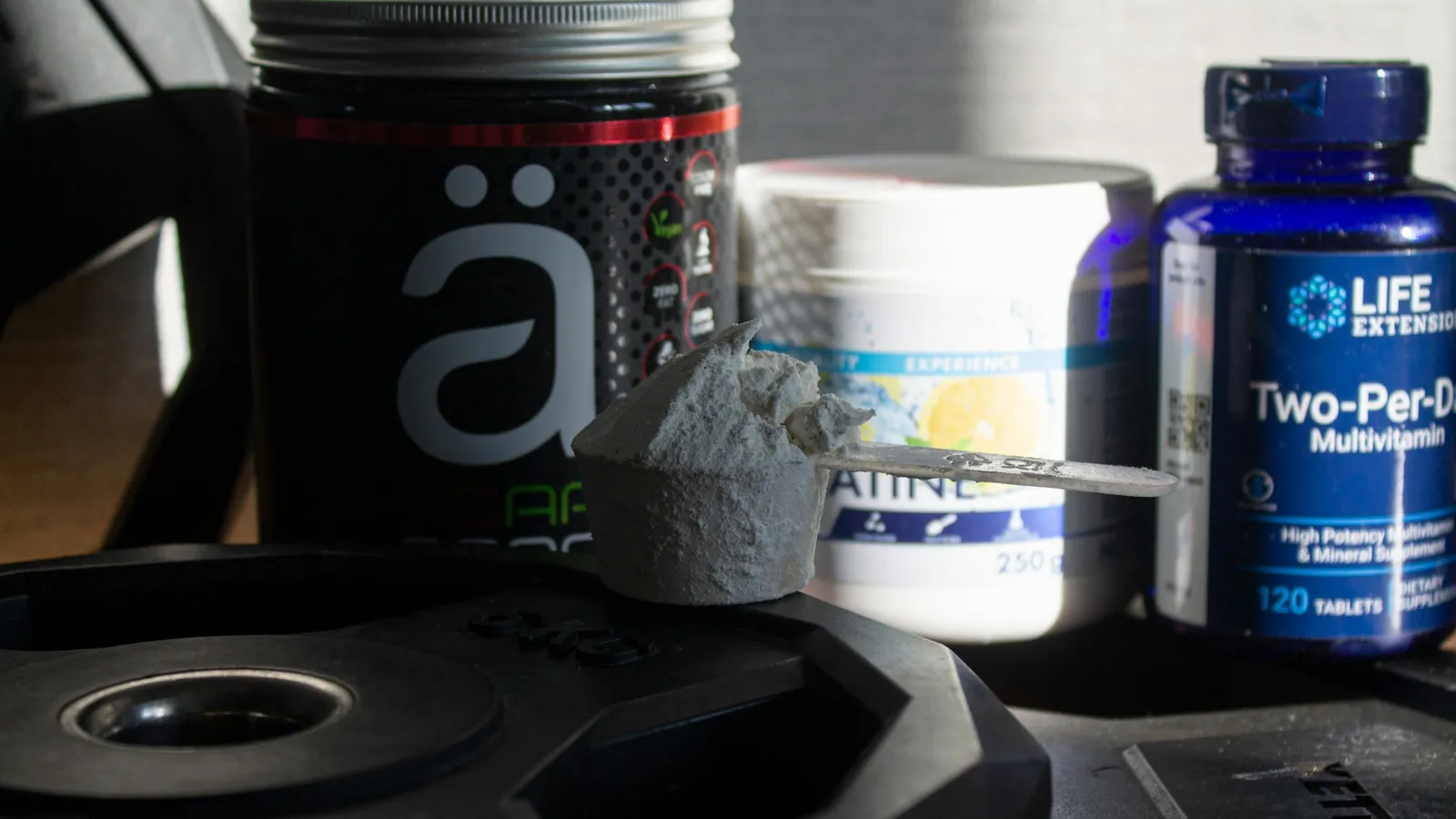
A workout takes an hour. The week has another 167, and most of what a wellness brand sells is used in those hours: food, drinks, sleep aids, recovery tools. The question for a brand is who decides how a client spends them.
For many coaching clients, part of the answer is their coach. QuickCoach counted how many coaches assign habits beyond the training and which ones they choose. This page reads that report from the brand side, treating each habit a coach assigns as a moment a product could fill.
The short answer
About 71% of coaches assign at least one habit outside the training. Food and logging leads at 58%, then daily movement at 44%, hydration at 39% and sleep or recovery at 34%. The median habit-assigning coach runs three categories, and which product fills each occasion is still open to brands.
71%
of coaches assign at least one habit beyond the training
58%
assign a food or logging habit, the most common category
39%
assign a hydration habit, more than sleep or recovery
3
habit categories run by the median habit-assigning coach
What this is, in one paragraph
This page reads a QuickCoach platform report first published in July 2026. That report counted coaches rather than tasks: the share of coaches running active plans who assign each habit category at least once, with each coach counted once per category. Item-weighted figures are quoted from a companion report. Nothing is re-derived, and everything is aggregated and anonymised. The full method sits at the foot of the page.
What coaches prescribe beyond the workout
Habit categories coaches assign
Share of coaches who assign each category at least once
Counted once per coach. Coaches assign several categories, so shares do not sum to 100%. Source: QuickCoach, The Habit Assignment Report (July 2026).
Food is the first place coaches reach, and by a distance. Movement, hydration and sleep follow, roughly the order a nutritionist would choose. Seven in ten coaches do this unprompted, which makes it standard coaching practice.
Each habit coaches assign is a buying occasion
Brand science calls the moments that trigger a purchase category entry points, the idea at the centre of the guide to brand building. Category entry points are an Ehrenberg-Bass Institute concept, applied here to a coaching habit list. A coach's habit list is a list of entry points, written down and checked every week.
| Habit coaches assign | Share of coaches | Categories it opens |
|---|---|---|
| Food and logging | 58% | Protein and functional food, meal solutions, nutrition apps |
| Daily steps and movement | 44% | Wearables, walking footwear, activewear |
| Hydration | 39% | Water, electrolyte and functional drinks, bottles |
| Sleep and recovery | 34% | Sleep products, recovery tools, wearables |
| Mobility and stretching | 26% | Recovery equipment, mobility tools |
The categories each habit opens are hale's reading and sit outside the source data.
Hydration stands out. It costs a client nothing and gets little attention in fitness marketing, yet almost two in five coaches write it down and check it each week. For hydration and functional drink brands, coaches are building the exact habit their product serves.
Most coaches run three habits at a time
The median habit-assigning coach runs three categories: about a fifth use one, a third use three or four, and a fifth use five or more. That leaves few slots for a brand, and being the easiest way to complete one of three habits is a strong position to hold.
The pattern mirrors the supplement shortlist in How Many Supplement Categories Do Coaches Recommend?, where recommending coaches name 2.2 categories on average. Coaches work from small, deliberate stacks.
Coaches choose the behaviour and leave the product open
Coaches prescribe the habit, and the item-weighted companion report shows how closely they watch it: meal adherence appears in 43% of the tracking items coaches build, habits in 37% and sleep in 20%. What the coach rarely prescribes is a brand, the same pattern found in Coaches Recommend Ingredients, Not Brands. Someone the client trusts creates the occasion and checks it each week, and the client picks whatever fills it.
Brands should attach to habits coaches already assign
- Map your product to a habit coaches already assign. A product that makes a coach's existing habit easier to complete fits their advice. One that asks for a new habit competes for one of three slots.
- Hydration and sleep are each assigned by more than a third of coaches, and a product can make both easier to hit.
- Measure the professional layer that creates the occasion. Consumer data shows who buys. It cannot show which professional made the habit part of a client's week, which is the read set out in The Recommendation Layer.
What this page does not claim
- The source counts what coaches assign. Whether clients complete it isn't measured.
- The categories each habit opens are hale's reading of the occasion. No purchases were observed.
- The source records habits only, so no brand is named or ranked.
- The data comes from QuickCoach, whose coaches lean towards independent, digitally engaged practitioners. It speaks strongly for that network and directionally for the wider non-clinical workforce.
Find out which occasions your brand owns
hale measures awareness, consideration and preference among the coaches who set their clients' daily habits, alongside the clients who act on them, continuously and against your competitive set.
Research partners can reach us at research@halehealth.io.
Where these figures come from
How we got these numbers
Source. QuickCoach, The Habit Assignment Report (July 2026), with item-weighted shares from What Online Coaches Actually Track (July 2026), both quoted without re-derivation. Both read aggregated activity across active coaching plans on QuickCoach, a platform used by more than 40,000 coaches and fitness businesses and one of the platforms behind the hale panel.
Definitions. Habit shares are coach-weighted: the coaches who assign a category at least once, divided by coaches running active plans in the same window. Breadth figures are shares of habit-assigning coaches. Tracking shares are item-weighted and answer a different question. Categories are classified from free text and are directional.
Scope. The data comes from QuickCoach, whose coaches lean towards independent, digitally engaged practitioners. It speaks strongly for that network and directionally for the wider non-clinical workforce. Figures are rounded. How every hale figure is produced is set out in how hale measures.
Privacy. Everything is aggregated and anonymised. No individual coach, client or business is identifiable, and no personally identifiable information is included.
Frequently asked questions
Do fitness coaches give clients habits beyond workouts?
Most do. About 71% of coaches on QuickCoach assign at least one habit or task outside the training, led by food and logging (58%), daily movement (44%), hydration (39%) and sleep or recovery (34%).
How many habits does a coach usually assign?
Three categories is the median among coaches who assign habits. About a fifth use one, a third use three or four, and a fifth use five or more.
Why do coach-assigned habits matter to wellness brands?
Each habit is an occasion a product can fill, and the coach creates and checks it every week. Coaches prescribe the behaviour but rarely a brand, so the product that fills the occasion is still open.
Where does this data come from?
From QuickCoach's Habit Assignment Report and What Online Coaches Actually Track, both published in July 2026 from aggregated activity across active plans on a platform used by more than 40,000 coaches and fitness businesses.
Published October 2026. Figures are first published in QuickCoach's The Habit Assignment Report and What Online Coaches Actually Track (July 2026), aggregated and anonymised. Category entry points are cited as an Ehrenberg-Bass Institute concept, not hale's own claim. hale is a health-tech holding company; its coaching platforms, QuickCoach and FitFocus, form the network behind this research. To see what this looks like for your brand and competitive set, start a conversation or reach us at research@halehealth.io.
How hale research works: the panel, the instruments and the privacy rules.