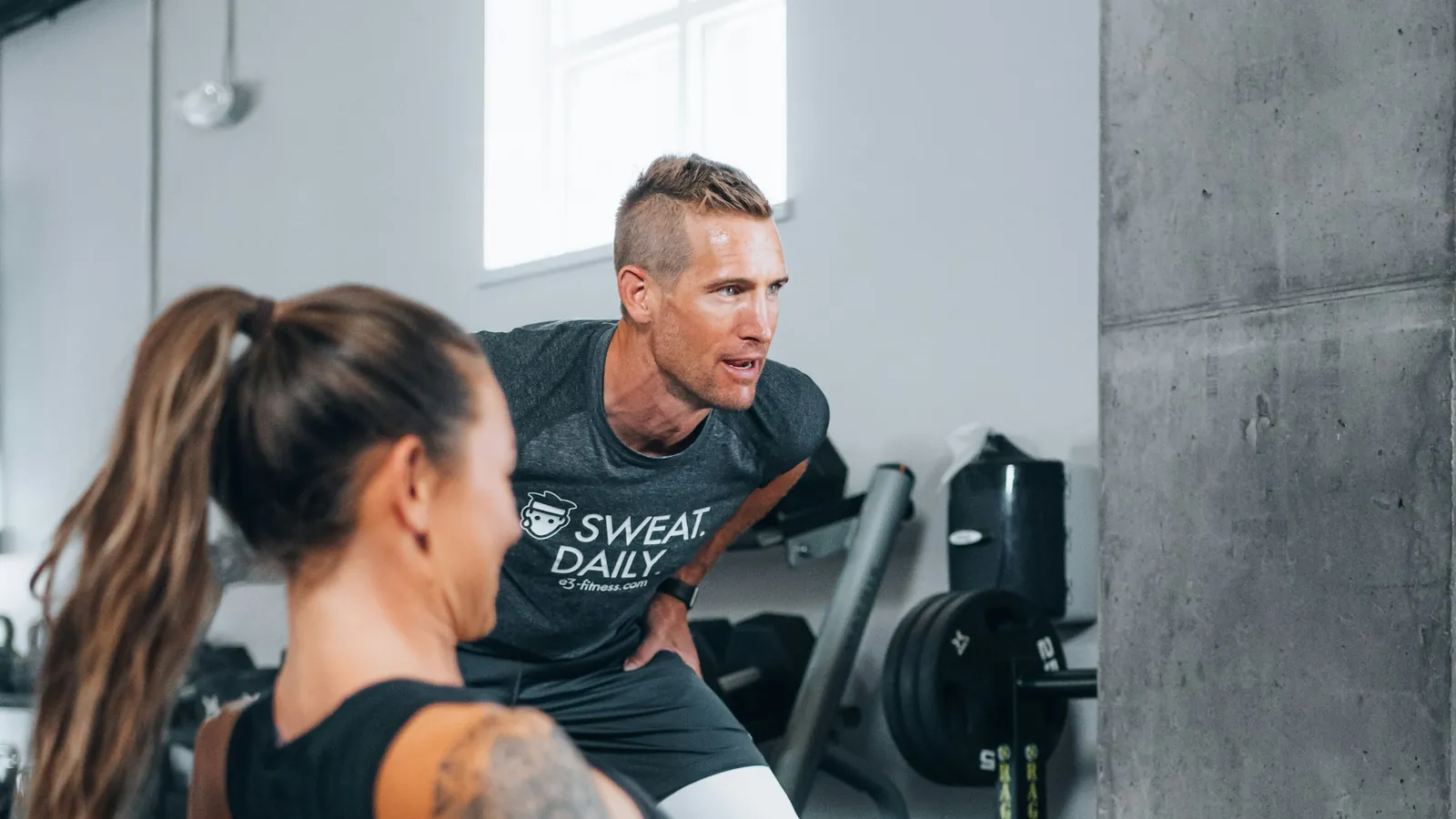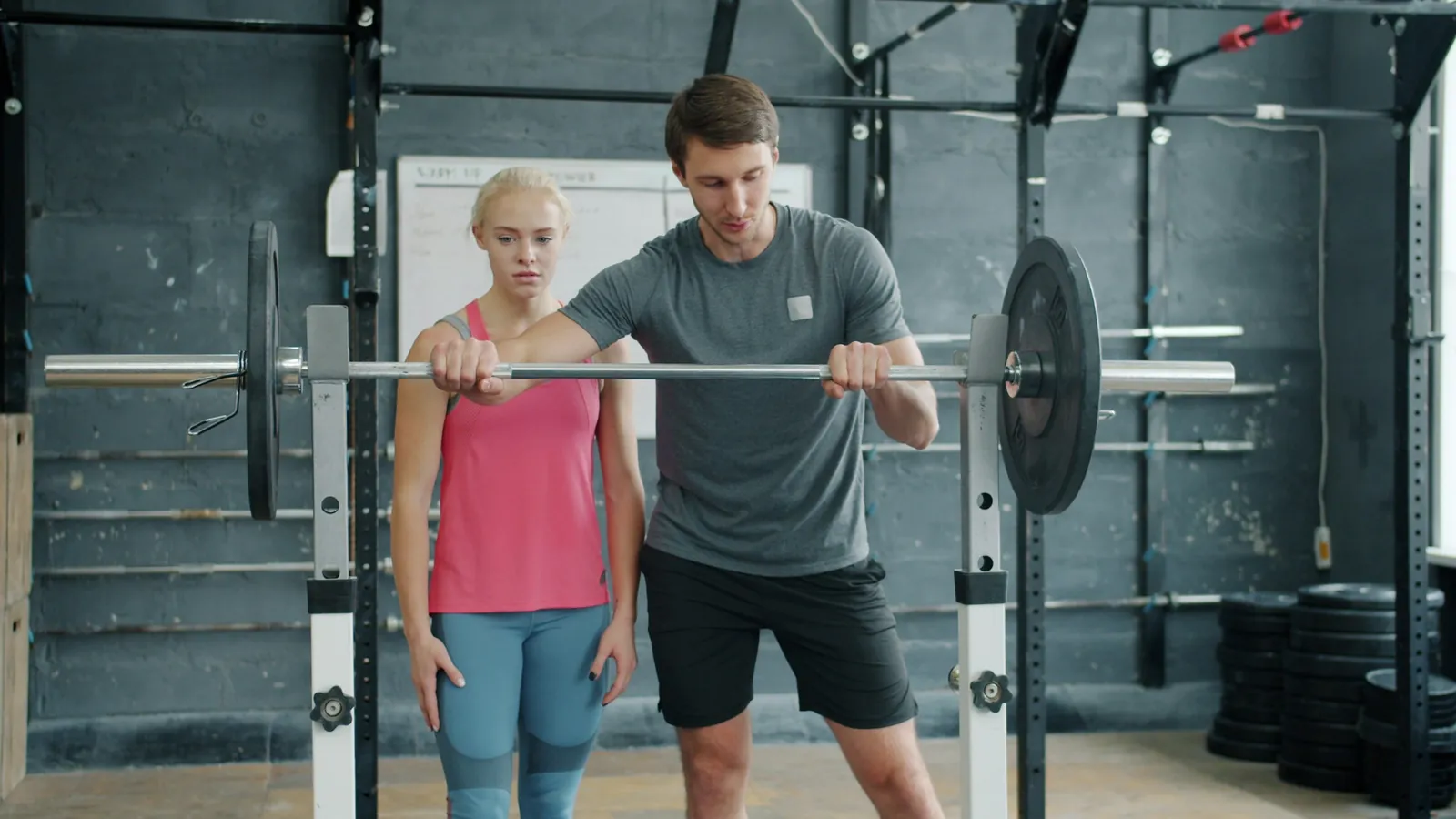
Fitness runs on word of mouth. A client does not pay a coach for a program alone. They pay for judgement: what to eat, how to train, what to take. When the coach answers the product question, the brand has been chosen before the consumer weighs in. That is word of mouth working, and in this category it is the strongest form of marketing there is.
Most brands treat word of mouth as something to hope for. This piece makes the opposite case. In health and fitness, word of mouth has a mechanism and a measurement. It can be tracked the way advertising is tracked, and it outlasts advertising because it runs on trust rather than on a media budget.
The short answer
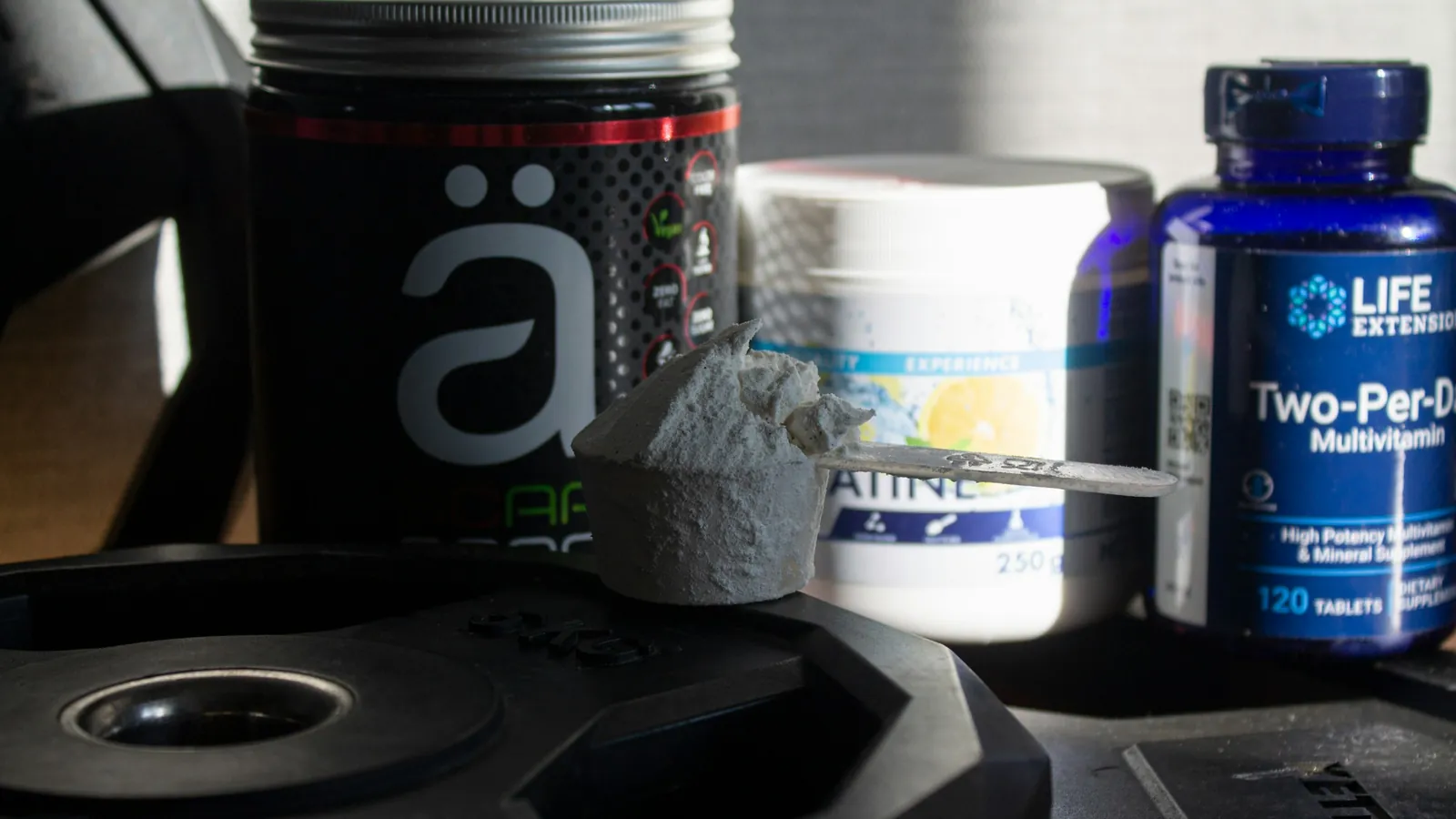
Word of mouth in fitness is a coach recommending a product to a client, inside a paid relationship the client returns to every week. It beats an ad because it arrives pre-vetted and in context, from a messenger the client already pays. Across the hale ecosystem, roughly seven in ten coaches recommend at least one supplement category, which makes this the category's dominant marketing mechanism. It is also measurable.
40,000+
fitness and health professionals in the hale ecosystem
~7 in 10
coaches recommend at least one supplement category to clients
152
countries reached across coaches and their clients
Where the figures come from
This piece uses the already-published topline from hale's ecosystem research: a voluntary practice-profile survey (2,184 valid responses, fielded March to September 2026) combined with platform activity across a 90-day window in 2026, drawn from more than 40,000 fitness and health professionals and their clients. Everything is aggregated and anonymised, with no individual coach, client or business identifiable. The full method sits at the foot of the page.
Word of mouth has a shape
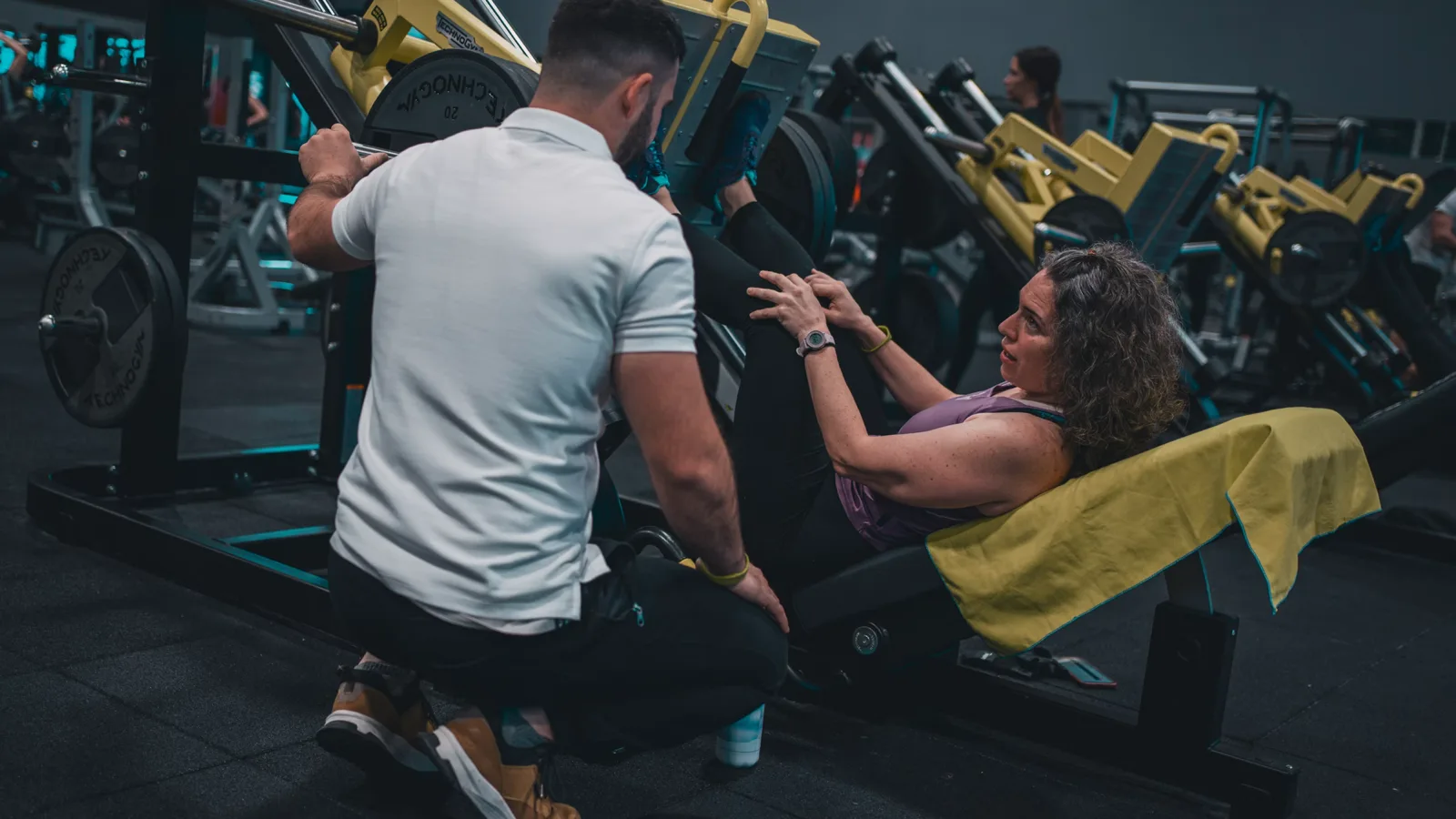
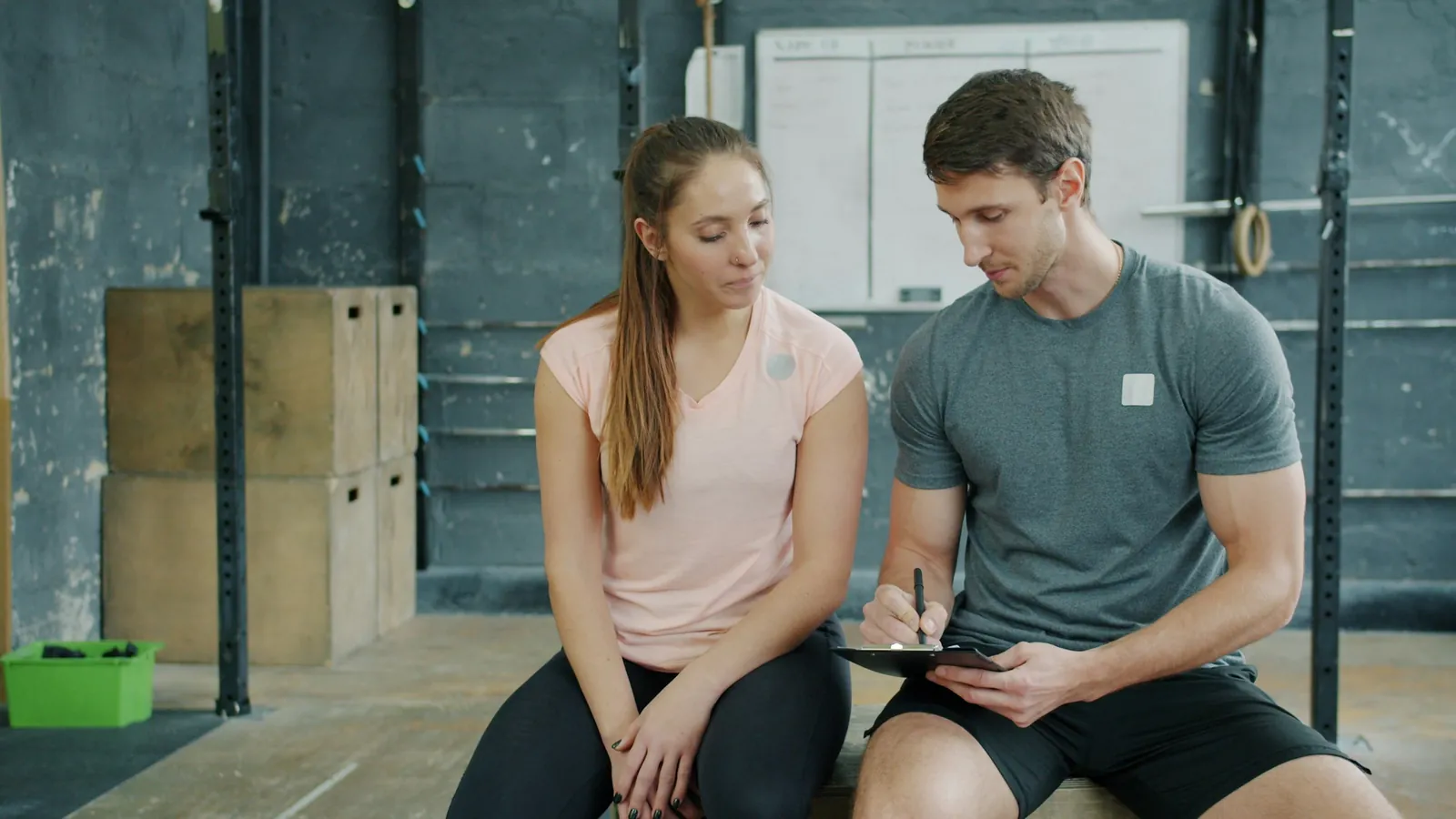
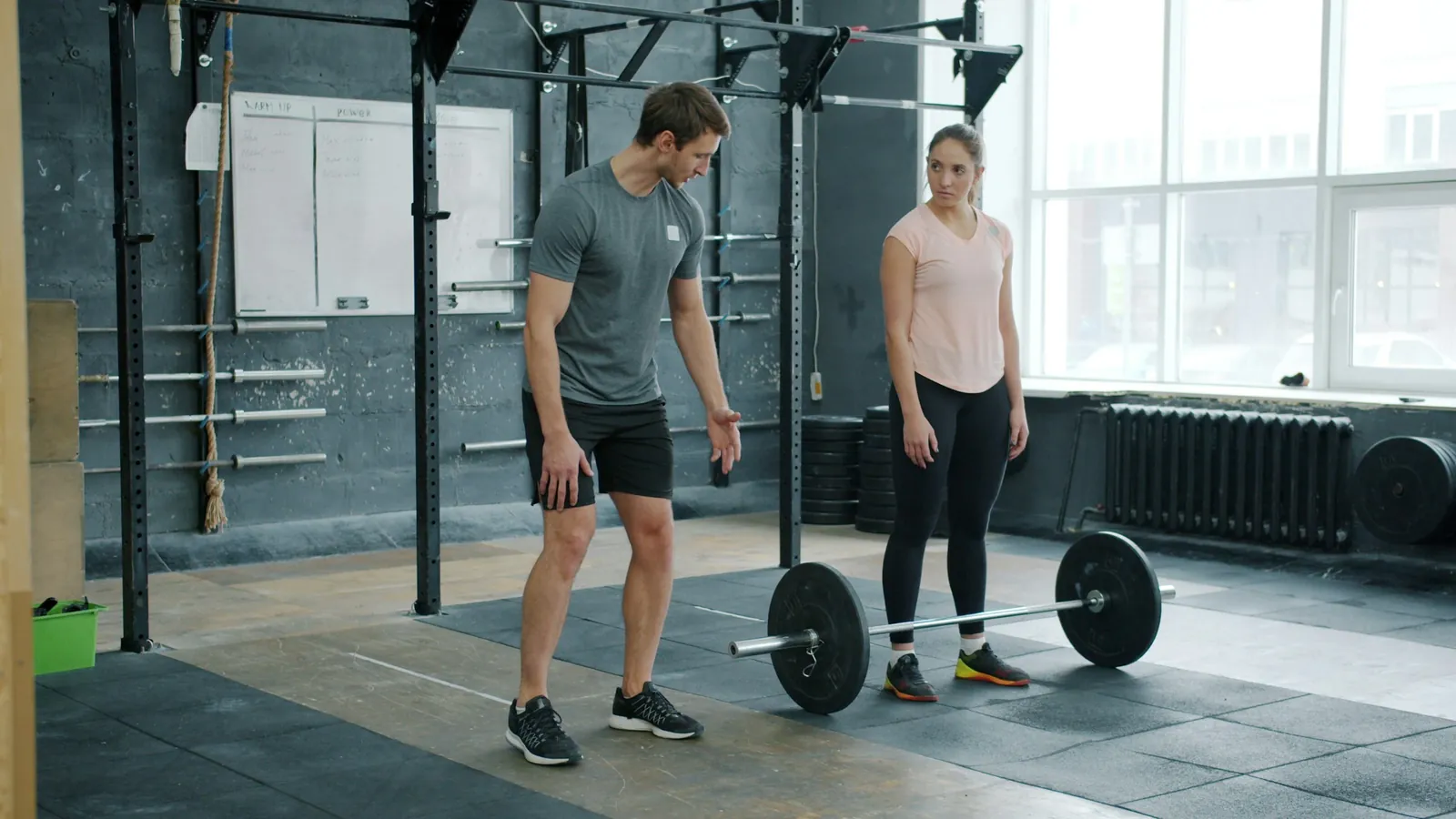
In most categories, word of mouth is scattered. A friend mentions a brand, a review appears, a stranger wears a logo. It is real, but it is thin and hard to direct. Fitness is different, because the most influential word of mouth happens inside a paid relationship. The client hands the coach authority over their training and their recovery, and the product recommendation arrives inside that authority. It is not a passing mention. It is a professional verdict, delivered to someone who is paying to rely on it.
That shape is what makes it powerful and what makes it measurable. The recommendation is not private chatter. It is a professional service, offered by people who do this as their job, at a scale a brand can actually read.
Why a recommendation beats an ad
An ad has to earn attention and then survive it. The viewer is distracted, sceptical, and aware that the ad was paid for. A recommendation arrives with none of that baggage. It is offered in context, at the moment the client is deciding, by someone whose judgement the client has already bought. The messenger is the message, and the messenger is the coach.
This is the difference between renting attention and earning a decision. Advertising buys a moment of notice. A recommendation is a professional judgement, delivered to a client who has already bought the messenger. A competitor can outbid you for the moment. It cannot easily buy the judgement, because the judgement runs on trust built over months of sessions rather than on a media budget.
There is a research-backed reason this works. The modern view of how brands grow, set out by Byron Sharp and the Ehrenberg-Bass Institute, holds that brands win by being mentally available when a buying occasion arrives. A coach's recommendation is a category entry point firing in real time: the client enters the category through it, and the brand named in that moment is chosen before the consumer forms a view of their own. The strategy layer behind this sits in the guide to brand building.
The multiplier: one coach, many clients
Advertising is a broadcast that people mostly ignore. A recommendation is a broadcast that people mostly act on, because each coach carries it to every client they guide, inside a relationship the client keeps renewing. One favourable professional verdict repeats, week after week, in front of a client who is paying attention.
The size of that multiplier is a network fact, not a marketing estimate. More than 40,000 professionals operate across the hale ecosystem, active in over 110 countries, with clients reached across 152. In 42 of those countries, clients are coached with no local coach present at all, so the word of mouth routinely crosses borders. A recommendation made in one market lands with a client in another. The standalone report on the global and cross-border coaching footprint sets out the geography in full. For the standalone data report on whether that influence actually moves purchases, see Do Fitness Professionals Influence What Clients Buy?.
The people doing the recommending are professionals
Word of mouth only carries weight if the people doing it are credible and consistent. The behaviour data says this workforce is both. Nearly 29% of platform sessions happen between 8am and midday local time, activity stays high through the afternoon, and fewer than 2% of sessions land overnight. That is the rhythm of a working professional, not a weekend crowd, and the standalone report on the professional-workforce behaviour signal sets out the full pattern. When such a person recommends a product, it is part of the job, and it carries the weight of a working life behind it.
Word of mouth can be measured
The reason brands treat word of mouth as unmanageable is that they have never measured it. General-population tracking asks consumers what they remember, and it cannot see the recommendation that shaped them. A two-sided read asks the coach and the client together, and it turns word of mouth from folklore into a number that moves month to month. The layer doing the recommending becomes the layer being measured.
The concept behind this is the recommendation layer. The research that names it sits in The Recommendation Layer, and the case for reading both sides of the sale is in Both Sides of the Sale. If the measures themselves are new, the guide to brand tracking explains them in plain English. For the demand side, the categories professionals are putting into their clients' hands, see the State of the Health and Wellness Consumer 2026.
Measure the word of mouth in your category
Word of mouth in fitness is not luck. It is a professional layer that can be read and measured. hale tracks it continuously, among the coaches who shape your category.
Methodology and limitations
How we got these numbers
Source. An internal research project across the hale ecosystem, which serves more than 40,000 fitness and health professionals and their clients. The recommend rate comes from the voluntary QuickCoach practice-profile survey (2,184 valid responses fielded March to September 2026, with the rate holding between 64% and 74% in every monthly cohort); session timing and geography come from platform activity across a 90-day window in 2026.
Definitions. “Recommends at least one supplement category” is the share of surveyed professionals who report recommending one or more categories to clients: 69.7%, with 30.3% recommending none. Coaches who ticked both a category and “I don't recommend” are counted as recommenders. Word of mouth, as used here, means a professional recommending a product category to a client; the survey measures the recommending, not the purchase that follows.
Scope. This is a read of a professional network, not a census of the entire non-clinical workforce. The sample skews towards independent, digitally engaged practitioners on the QuickCoach and FitFocus platforms, so figures should be read as a directional baseline. Category-level and segment-level breakdowns are held as part of hale's brand-tracking work rather than published here. Figures are rounded. The full research method is set out in how hale measures.
Privacy. Everything is aggregated and anonymised. No individual coach, client or business is identifiable, and no personally identifiable information is included.
Frequently asked questions
What is word of mouth in fitness?
It is a coach or trainer recommending a product to a client, inside a paid relationship the client returns to regularly. In fitness the most influential word of mouth is professional: a verdict from someone the client already trusts, delivered at the moment of a purchase decision.
Why does a coach's recommendation beat an ad?
Because it arrives pre-vetted and in context, from a messenger the client is paying to rely on. An ad must earn attention and survive scepticism. A recommendation is offered at the moment of decision by a trusted professional, and it is harder for a competitor to buy their way past it.
How many fitness coaches recommend products to clients?
Roughly seven in ten coaches in the hale ecosystem recommend at least one supplement category to their clients, 69.7% of surveyed professionals. The figure comes from a voluntary practice-profile survey of 2,184 valid responses, combined with platform activity across a 90-day window in 2026, aggregated and anonymised.
How do you measure word of mouth for a fitness brand?
By measuring the professionals who do the recommending and their clients together, month over month. A two-sided read turns word of mouth from folklore into a tracked number, and it shows whether a brand's standing with coaches is moving ahead of its consumer numbers.
Published August 2026, drawn from an internal research project across the hale ecosystem of 40,000+ professionals and their clients. hale is a health-tech holding company; its coaching platforms, QuickCoach and FitFocus, form the network behind this research. The brand-science framework referenced here is the work of the Ehrenberg-Bass Institute (Byron Sharp), attributed rather than claimed. To see what word of mouth looks like for your brand and your competitive set, start a conversation or reach us at research@halehealth.io.
How hale research works: the panel, the instruments and the privacy rules.