Ask a wellness founder what their brand is worth and they can usually quote the marketing budget, but not what the brand itself is doing. The gap between those two answers is where brand tracking sits. It is the measurement of how a brand is remembered, selected and trusted over time, read month after month rather than once a year.
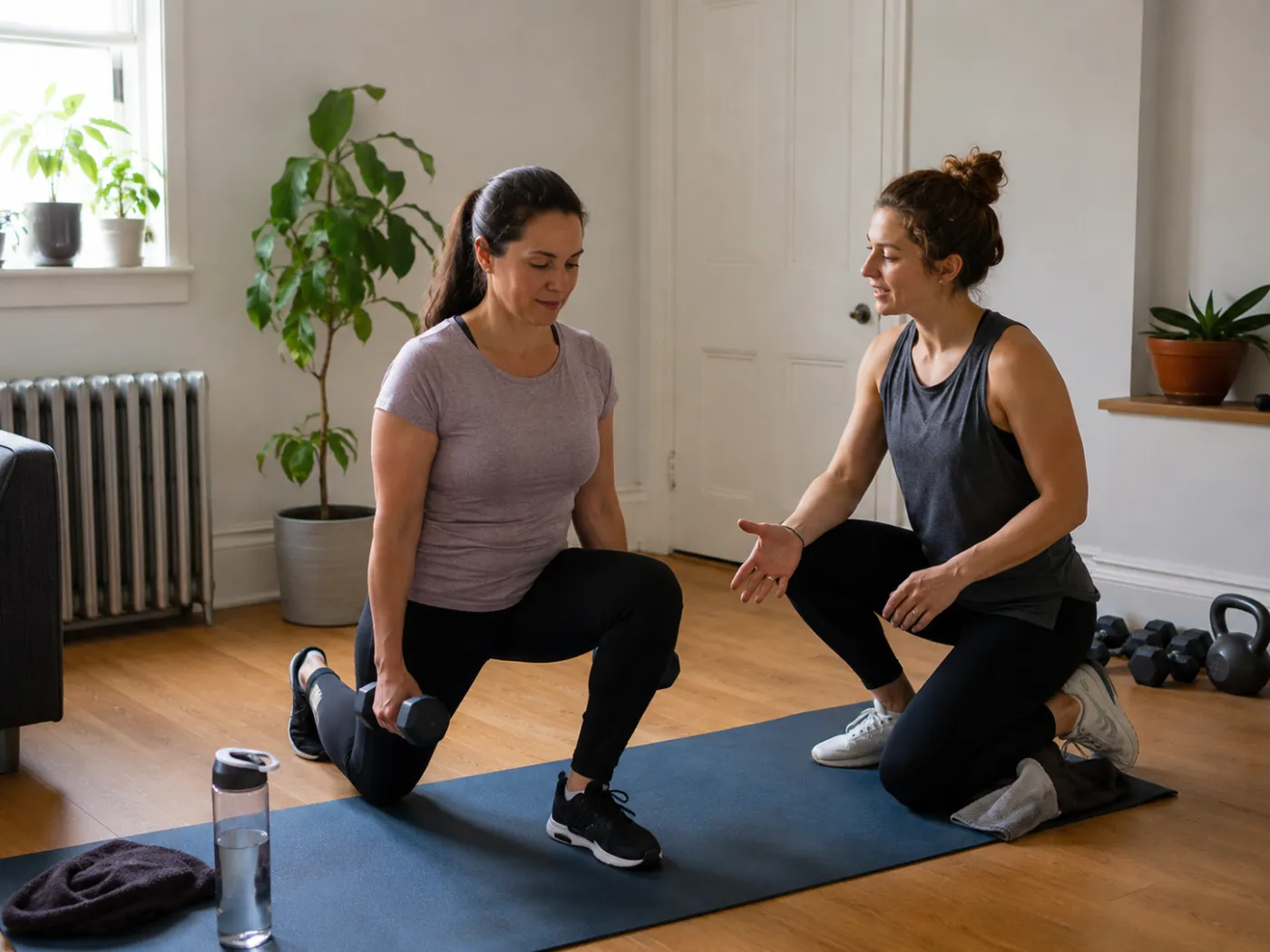
For a health and wellness brand the discipline matters more than in most categories, because the buying decision is rarely made by the consumer alone. Coaches and practitioners shape a meaningful share of what gets purchased before the shopper ever weighs in. Any guide to brand tracking that stops at the consumer is describing half the picture.
The short answer
Brand tracking measures how a brand moves in perception, month over month: awareness, consideration, preference, trust and loyalty, read against a baseline and a competitive set. It tells you whether the brand is actually growing, not just whether the ad account spent. In health and wellness it has to read the professional layer too, the coaches who guide the buying.
40,000+
fitness and health professionals in the hale ecosystem
~7 in 10
coaches recommend at least one supplement category to clients
152
countries reached across coaches and their clients
Where the figures come from
This guide quotes the already-published topline from hale's ecosystem research: a voluntary practice-profile survey (2,184 valid responses, fielded March to September 2026) combined with platform activity across a 90-day window in 2026, drawn from more than 40,000 fitness and health professionals and their clients. Everything is aggregated and anonymised, with no individual coach, client or business identifiable.
What brand tracking measures
Five measures carry most of the load. Awareness is whether the brand is known at all, split into unaided recall, naming the brand without prompting, and aided recall, recognising it from a list. Consideration is whether the brand sits in the set a buyer would actually choose from. Preference is which brand wins when choice is stated outright. Trust and perception cover what people associate with the brand and how credible those associations feel. Read together and repeated over time, they describe brand health: where the brand stands and which direction it is drifting.
Each measure tells a different story. A wellness brand can hold awareness without consideration, known but never shortlisted, which is common for challengers outspent in advertising. Another can hold strong consideration without the trust to convert it. The value of tracking all five rather than one is that the gaps between them are where the insight lives.
Awareness has a shape
Most teams start with awareness, and it is the right place to begin, provided they measure it honestly. Unaided awareness asks someone to name a brand in the category without prompting, and it is the harder, more valuable number. Aided awareness shows a list and asks which they recognise. The two drift apart for reasons worth watching: a brand can sit at strong aided awareness while staying nearly invisible in unaided recall, which usually means the advertising is doing the remembering for the consumer rather than the product earning its way in.
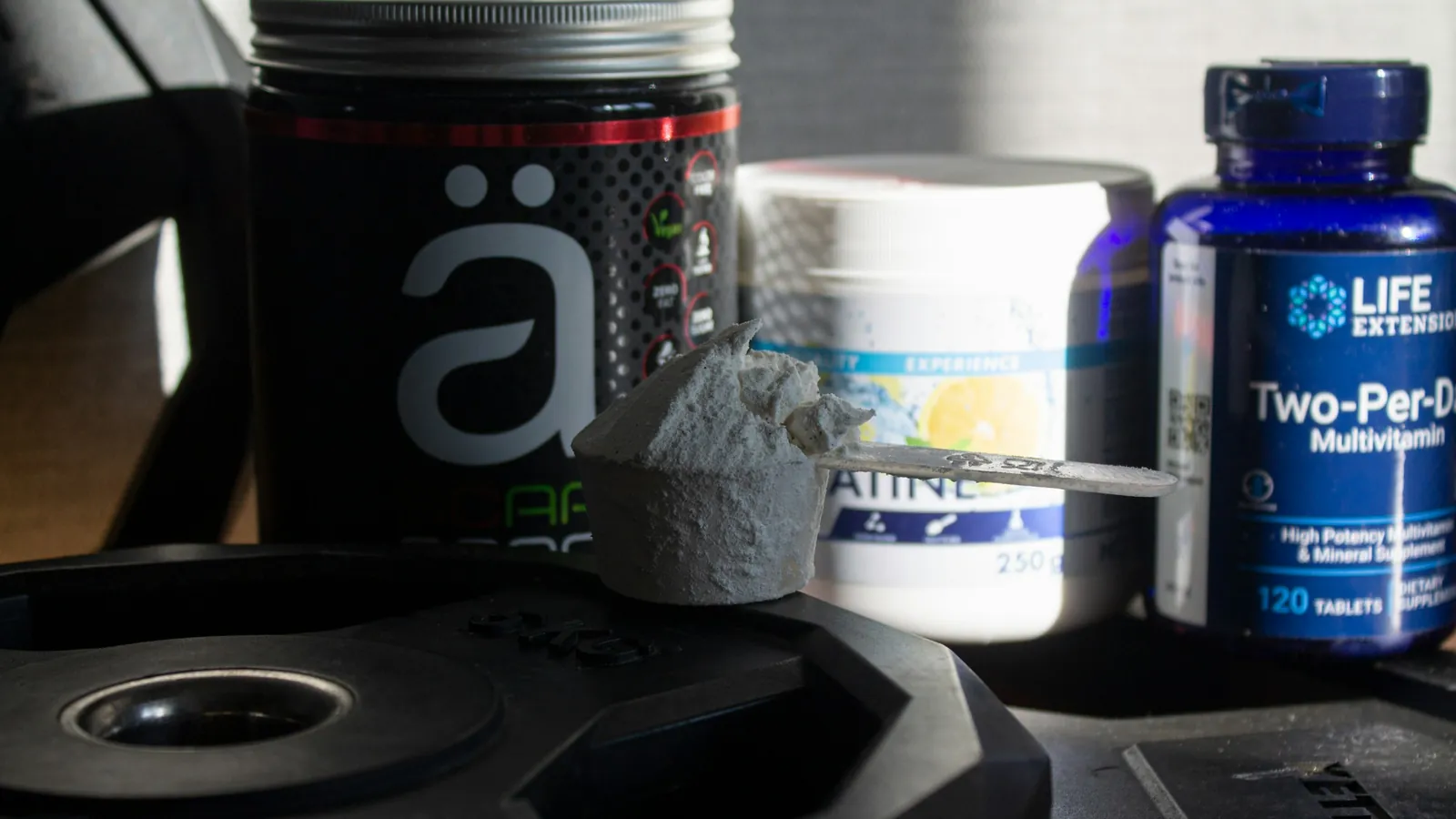
That distinction matters in wellness because the shelf is crowded and the category vocabulary is thin. Brands live on associations: what a supplement label is recalled for, whether people trust it, and whether the brand is linked to a part of the market that feels like it is growing.
Continuous beats one-off
The original version of brand measurement was an annual survey. It was expensive, slow, and stale by the time the deck arrived. Continuous tracking changes the instrument. Ask the same questions every month against the same baseline and competitive set, and changes show up as they happen, not as a surprise in the quarterly report.
For wellness brands the pace matters because the category moves fast. A launch, a short PR spike, a competitor's campaign, a season: each can move brand perception within weeks. A one-off survey never tells you what moved what, because it only ever sees one point in time. An always-on read shows what moved and then what moved it. That continuity is the difference between brand measurement and brand tracking, and it is the whole point of the discipline.
What brand tracking is not
Three things get confused with brand tracking, and the distinction matters.
It is not social media analytics. Likes and shares measure engagement with your own content, inside your own audience, the most biased sample you have. Brand tracking reads the whole category, including the people who have never heard of you.
It is not a one-off survey. A survey is a snapshot. Brand tracking is the same instrument reading the same population month after month, so change is signal rather than noise.
It is not performance marketing analytics. Paid social and PPC report on the pipeline they were bought to feed. They measure whether the ad account is efficient, not whether the brand is growing. Two brands can run the same media plan and end in very different positions, and only the brand measures can tell them apart. For the full case on how brand and performance budgets should sit together, see the guide to brand vs performance marketing.
The blind spot in this category
Every general-population tracker carries a structural gap, and it is the gap at the centre of health and wellness. A large share of what consumers buy here is chosen by a professional first: the coach, the trainer, the practitioner who decides what to recommend to a client. Consumer awareness forms after that professional has often already shaped the purchase. A general panel watches the consumer's own mind, so it is always watching the outcome rather than the moment that decided it.
hale exists because that layer is real and measurable. Across the ecosystem, roughly seven in ten coaches recommend at least one supplement category to their clients, which makes the recommendation layer close to mainstream rather than a niche. Read the data on the recommendation layer, and why a two-sided read beats a consumer-only one. When you are ready for how the measurement itself works, the brand insights page walks through hale's continuous tracking, and the research method page sets out the panel and instruments behind every published figure.
Where to start
If a wellness brand does nothing else, track awareness, and track it unaided and aided, every month, against a fixed competitive set. That single move tells a team whether the brand is entering the category's consideration set or paying rent on attention it does not own. For a supplement brand the next priority is the practitioner view, because that category turns on professional recommendation, and that is where a two-sided tracker adds what a general panel cannot see. Building the brand is the strategy layer that measurement serves; for how wellness brands actually grow, see the guide to brand building.
None of this needs a full annual research programme. The disciplined version is a short set of measures, read every month against the same three or four brands, and it is cheaper and more revealing than the annual survey it replaces.
See your brand in numbers
Brand tracking shows where your brand actually stands with the category and with the professionals who shape it. hale runs it continuously against your chosen competitive set.
Frequently asked questions
What is brand tracking?
Brand tracking is the continuous measurement of how a brand is remembered and chosen: awareness, consideration, preference, trust and perception, read month over month against a baseline and a competitive set. It shows where a brand stands and which direction it is moving.
What is the difference between brand tracking and a one-off survey?
A one-off survey is a snapshot. Brand tracking reads the same measures every month, so change shows up as it happens and can be linked to what drove it. Annual measurement tells you where you were; continuous tracking tells you what changed.
Why is brand tracking different for health and wellness brands?
Because the consumer is not the only decision-maker. Coaches and practitioners shape a large share of purchases in this category, and a general-population tracker cannot see that professional layer. hale research finds roughly seven in ten coaches recommend at least one supplement category to clients.
How often should a wellness brand measure its brand?
Monthly is the practical minimum for an always-on read. Measure the same questions against the same competitive set every month, and changes in awareness, consideration and preference surface as they happen rather than as a retrospective surprise.
Published August 2026 as the opening piece of hale's guide to brand tracking for health and wellness brands. hale is a health-tech holding company; its coaching platforms, QuickCoach and FitFocus, form the network behind its research. To see what continuous brand tracking looks like for your brand and your competitive set, start a conversation or reach us at research@halehealth.io.