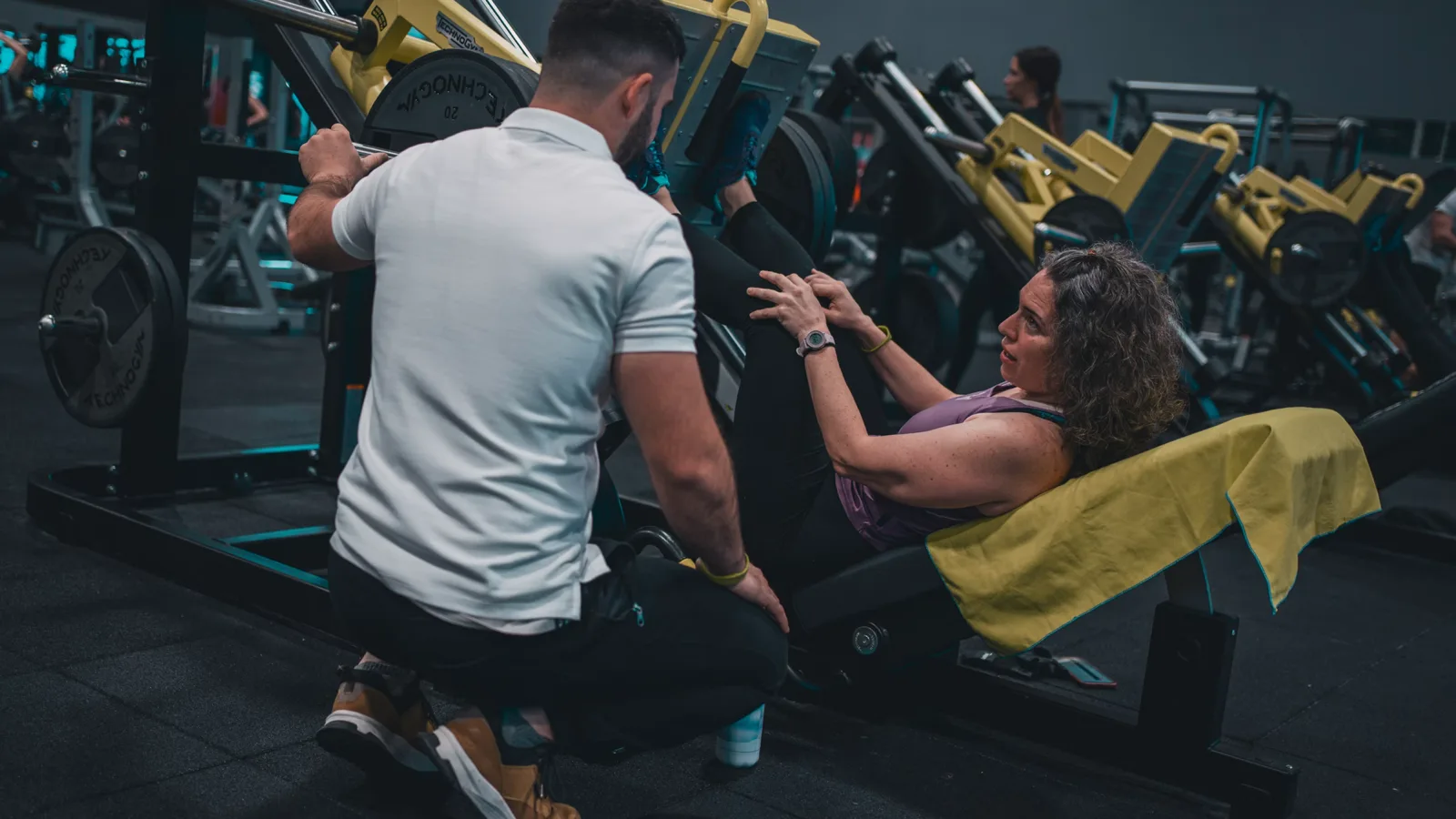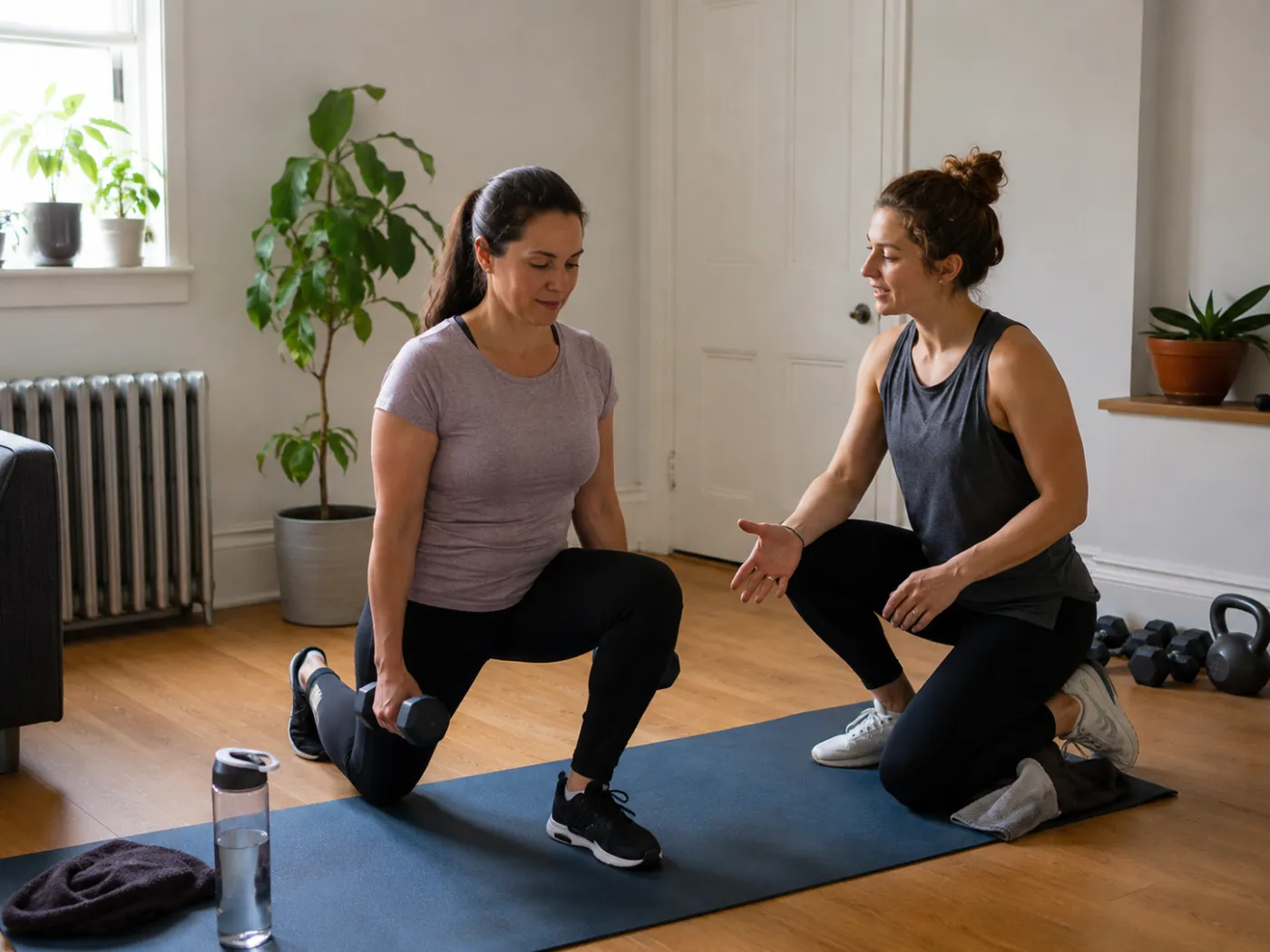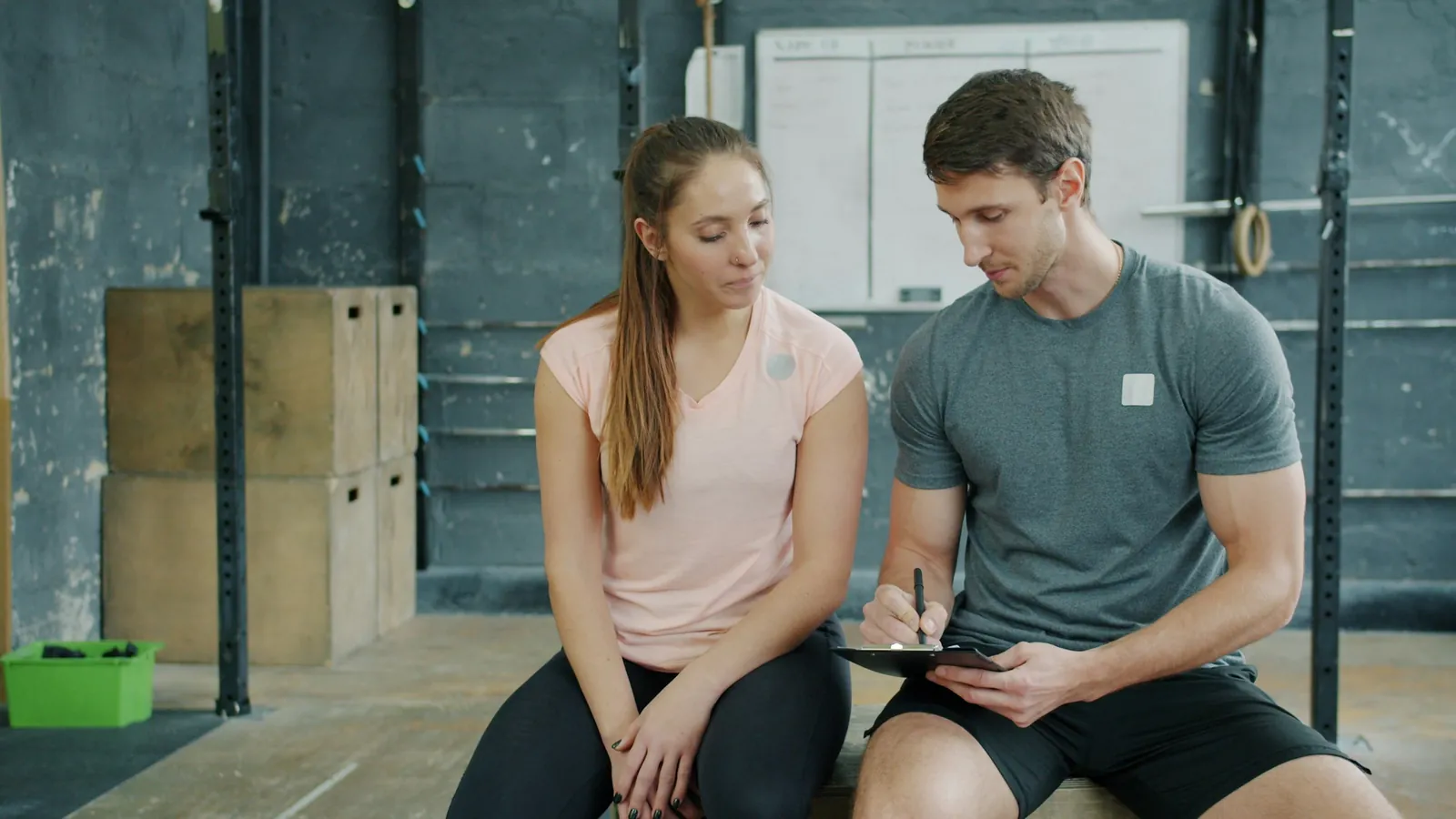
Most state of the consumer reports start with a market-size figure and a growth chart. This one starts somewhere else, because hale reads the demand side through the network the category is actually sold through: the coaches and practitioners who guide real buyers. The state of the wellness consumer in 2026 is not a story about shoppers alone. It is a story about the professionals who shape what they buy, and the categories where that influence is strongest.
That is the point of an annual read done this way. A general-population survey tells you what consumers say they bought. A two-sided read tells you what the people who shape those purchases are putting into their clients' hands, which is where demand in this category is actually decided. The two are not the same picture, and the second one is the one most brands never see.
The short answer
The health and wellness consumer in 2026 is best read where demand is actually shaped: with the professionals who guide it. Roughly seven in ten coaches recommend at least one supplement category to clients. Demand is global, and the professional layer touches supplements, wearables, activewear, functional food and drink, recovery and longevity, and the Gen Z cohort.
40,000+
fitness and health professionals in the hale ecosystem
~7 in 10
coaches recommend at least one supplement category to clients
152
countries reached across coaches and their clients
Where the figures come from
This report quotes the already-published topline from hale's ecosystem research: a voluntary practice-profile survey (2,184 valid responses, fielded March to September 2026) combined with platform activity across a 90-day window in 2026, drawn from more than 40,000 fitness and health professionals and their clients. Everything is aggregated and anonymised. No market-size or prevalence figure appears here without a named, dated source; the category reads below are directional, drawn from the professional layer that shapes demand.
The demand side has a shape
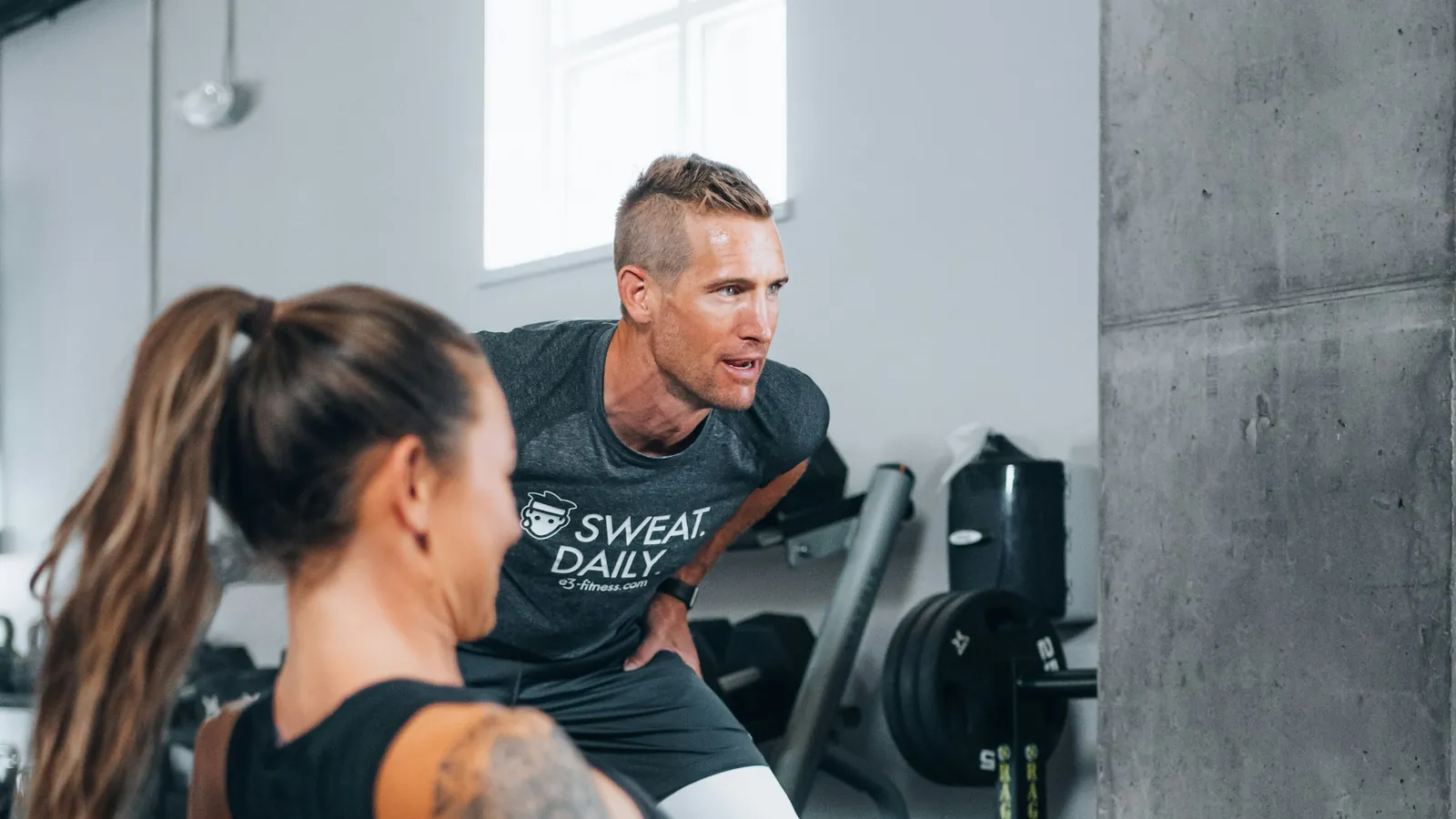
The consumer is not the first decision-maker in this category. A large share of what gets bought is chosen by a professional first: the coach, the trainer, the practitioner who decides what to recommend to a client. Consumer awareness forms after that professional has often already shaped the purchase, so the state of the consumer has to be read where the decision actually starts.
Across the hale ecosystem, roughly seven in ten coaches recommend at least one supplement category to their clients. That makes professional recommendation a mainstream entry point, not a niche one, and it is the single most important fact about demand in this category. The data behind it sits in the recommendation layer research, and the case for reading both sides of the sale is in Both Sides of the Sale.
What the professionals see in demand
The annual read on the demand side is really a read on the categories the professionals are putting into their clients' hands. Six categories come up in that conversation, and each has its own consumer story.
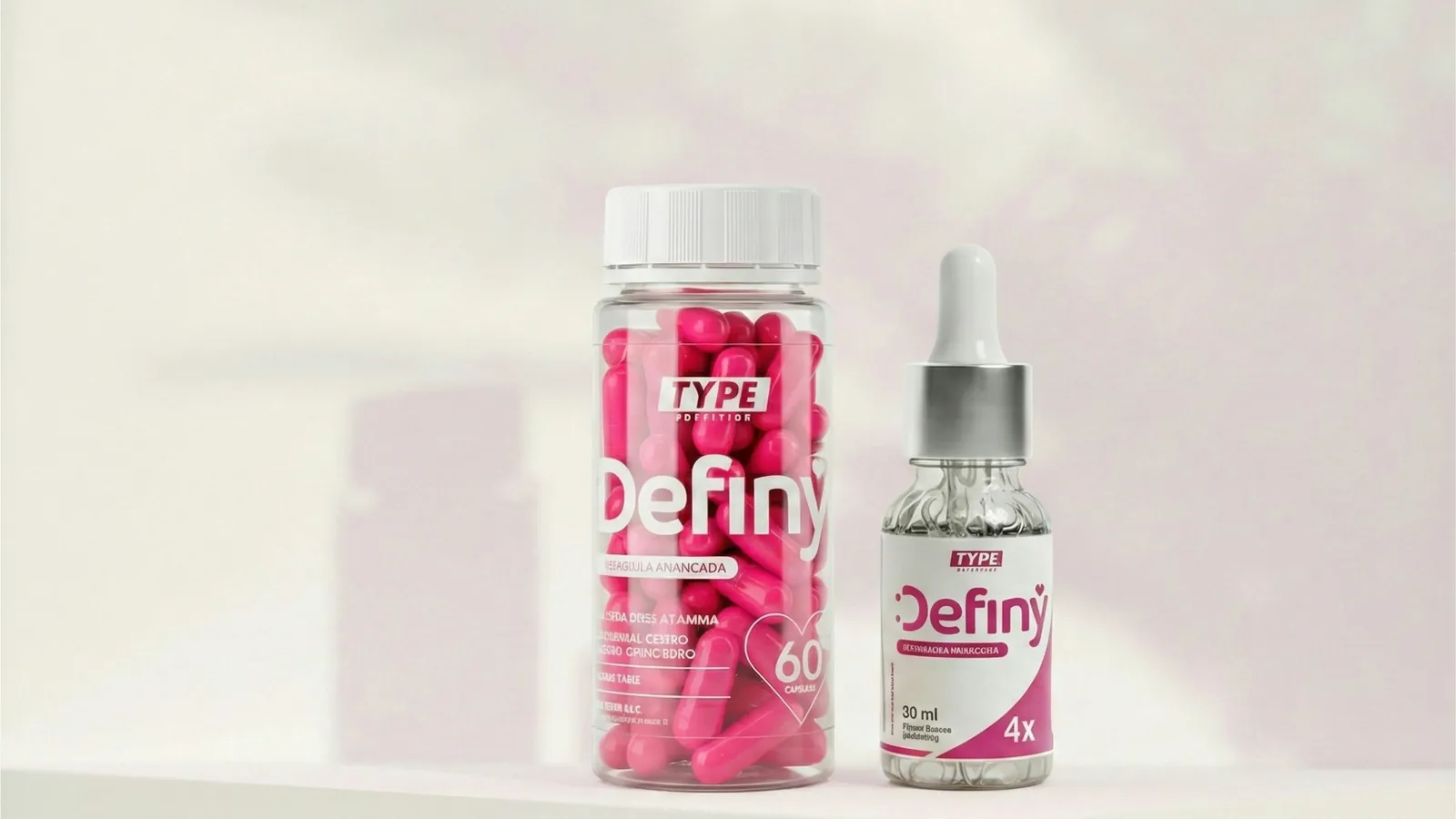
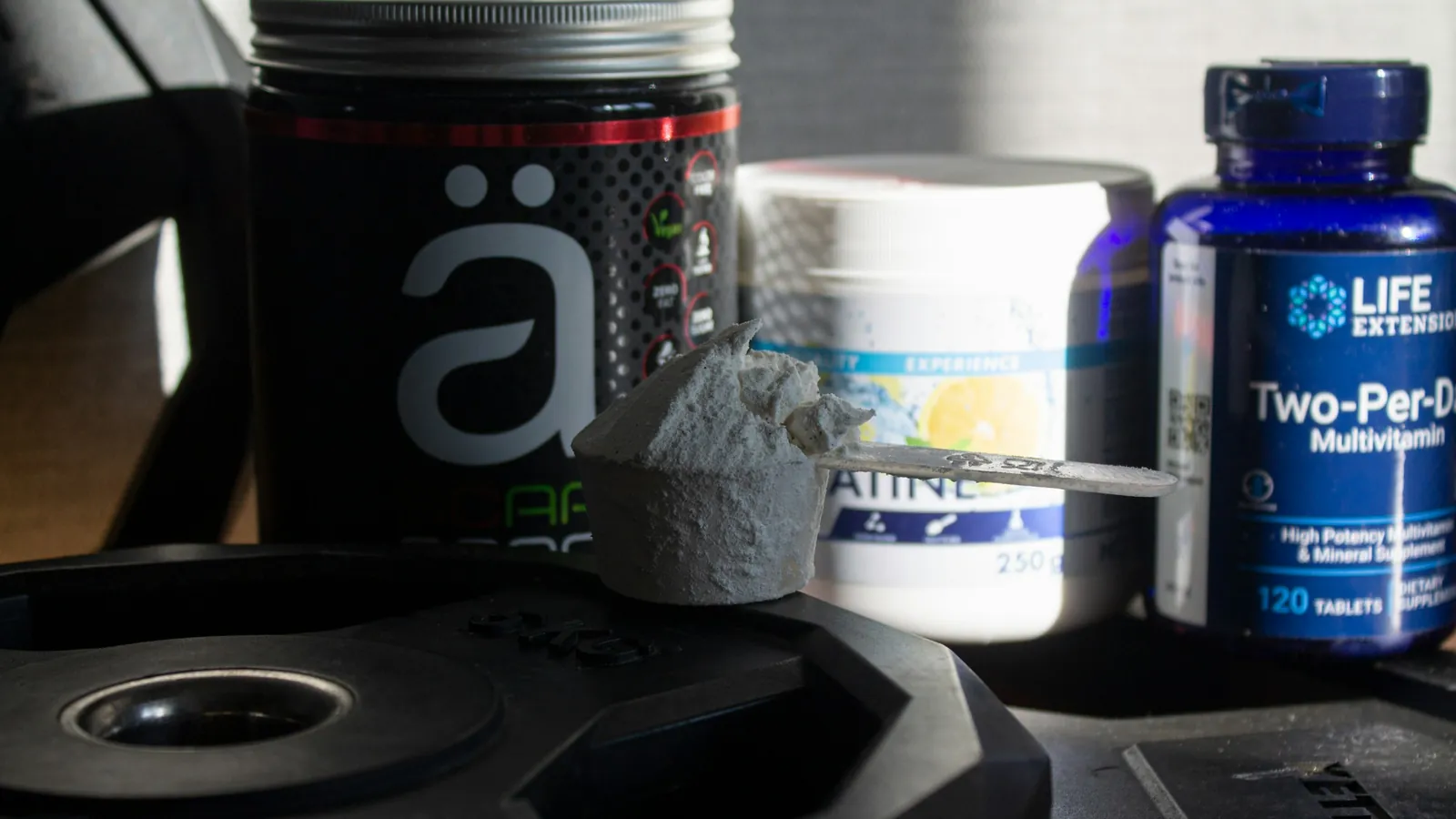
Supplements are where the recommendation layer is most active, and the anchor number of this report is a supplement number: roughly seven in ten coaches recommend at least one supplement category. The consumer story is who buys, why, and how the brand is chosen at the point of recommendation, and the standalone read on that story is in What Coaches Recommend in the Supplement Category. Wearables and fitness tech are a different story, one where a professional's view of a device may carry as much weight as the consumer's own. Activewear is a category where brand loyalty and switching are worth watching closely, though we have not yet measured either on the panel.
Functional food and drink is the newest of the six as a coaching conversation. Recovery and longevity sits close to the post-workout recovery aids that already rank high in what coaches recommend, which makes it a natural next read. Gen Z is the cohort that will define the next decade of the category, and the professional relationship with it is being built now. These are directional observations, not measured rankings: supplements is the only one of the six with a published panel read so far, and the others will get their own reads as the data for each is cut and method-stamped.
Demand is global
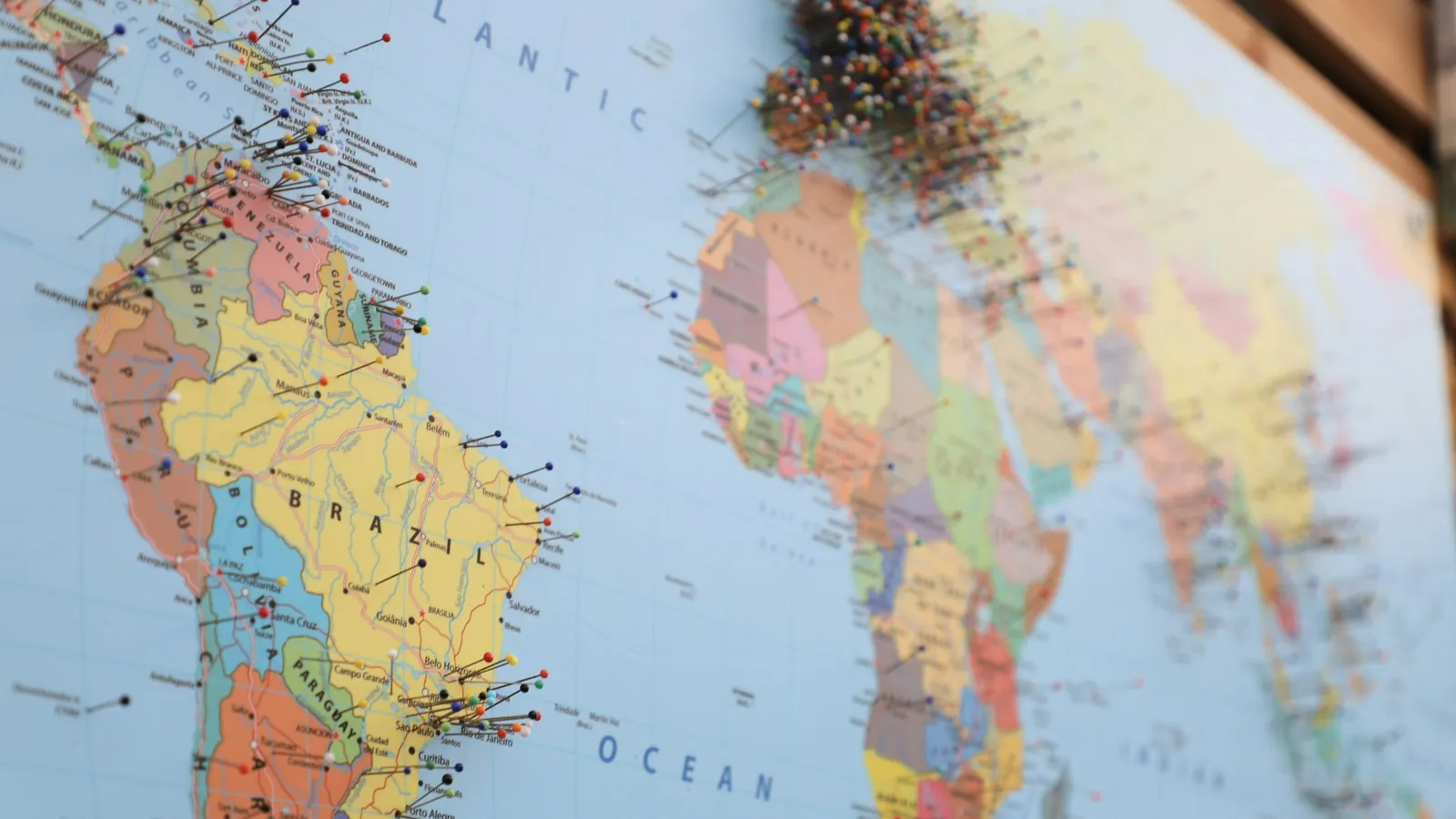
The consumer is not concentrated in a handful of markets. More than 40,000 coaches operate across the hale ecosystem, active in over 110 countries, with clients reached across 152. In 42 of those countries, clients are being coached with no local coach present at all. A recommendation made in one market routinely lands with a client in another. For a brand, that means demand is being shaped everywhere at once, and the professional layer is the thread that connects it. The standalone report on the global and cross-border coaching footprint sets out the geography in full.
The rhythm of demand
Demand in this category has a rhythm, and it is the rhythm of a working professional, not a weekend hobby. Nearly 29% of all platform sessions happen between 8am and midday local time, activity stays high through the afternoon, and fewer than 2% of sessions land overnight. The pattern holds across geographies and time zones. That is what a measured workforce looks like, and it is the signal an off-the-shelf consumer panel cannot buy. The standalone report on the professional-workforce behaviour signal sets it out in full.
What this means for a wellness brand
The annual read is a map, not a verdict. It tells a brand where demand is being shaped, which categories are moving, and where the professional layer is doing the work. The next step is the brand's own: where does your brand sit in that picture, and how is it moving month to month? That is the question continuous brand tracking answers, and it is the difference between reading the category and reading your own brand in it.
For the plain-English version of what brand tracking measures, see the guide to brand tracking. For how brands actually grow in this category, see the guide to brand building. For how the brand and performance halves of the budget should sit together, see the brand versus performance guide. How hale runs the measurement continuously is on the brand insights page.
See your brand in the state of the consumer
hale reads the demand side continuously, against your competitive set, including the professionals who shape it. The annual report is the map; the tracking is the instrument.
Frequently asked questions
What is the state of the health and wellness consumer 2026?
It is hale's annual umbrella read on the demand side of the wellness category: what consumers are buying, and the professional layer that shapes it before the shopper decides. It is refreshed yearly rather than duplicated, and it reads the consumer through the coaches and practitioners who guide real buyers.
How does hale measure the wellness consumer?
hale reads the demand side through its two-sided network of more than 40,000 fitness and health professionals and the clients they guide, rather than through a general-population poll. The figures combine a voluntary practice-profile survey (2,184 valid responses, fielded March to September 2026) with platform activity across a 90-day window in 2026, aggregated and anonymised.
Which wellness categories does this report cover?
Six: supplements, wearables and fitness tech, activewear, functional food and drink, recovery and longevity, and the Gen Z cohort. Supplements has a published panel read; the other five are directional observations until their own reads are cut and method-stamped.
Why does the professional layer matter for consumer trends?
Because a large share of what consumers buy in this category is chosen by a professional first. Roughly seven in ten coaches recommend at least one supplement category to clients, which makes professional recommendation a mainstream entry point, not a niche one. A consumer-only read misses the moment where demand is actually shaped.
Published August 2026 as the annual umbrella read on the demand side of hale's guide to brand building and measurement for health and wellness brands. hale is a health-tech holding company; its coaching platforms, QuickCoach and FitFocus, form the network behind its research. Figures are drawn from the already-published ecosystem research, aggregated and anonymised. To see your brand measured against the state of the consumer, start a conversation or reach us at research@halehealth.io.
How hale research works: the panel, the instruments and the privacy rules.