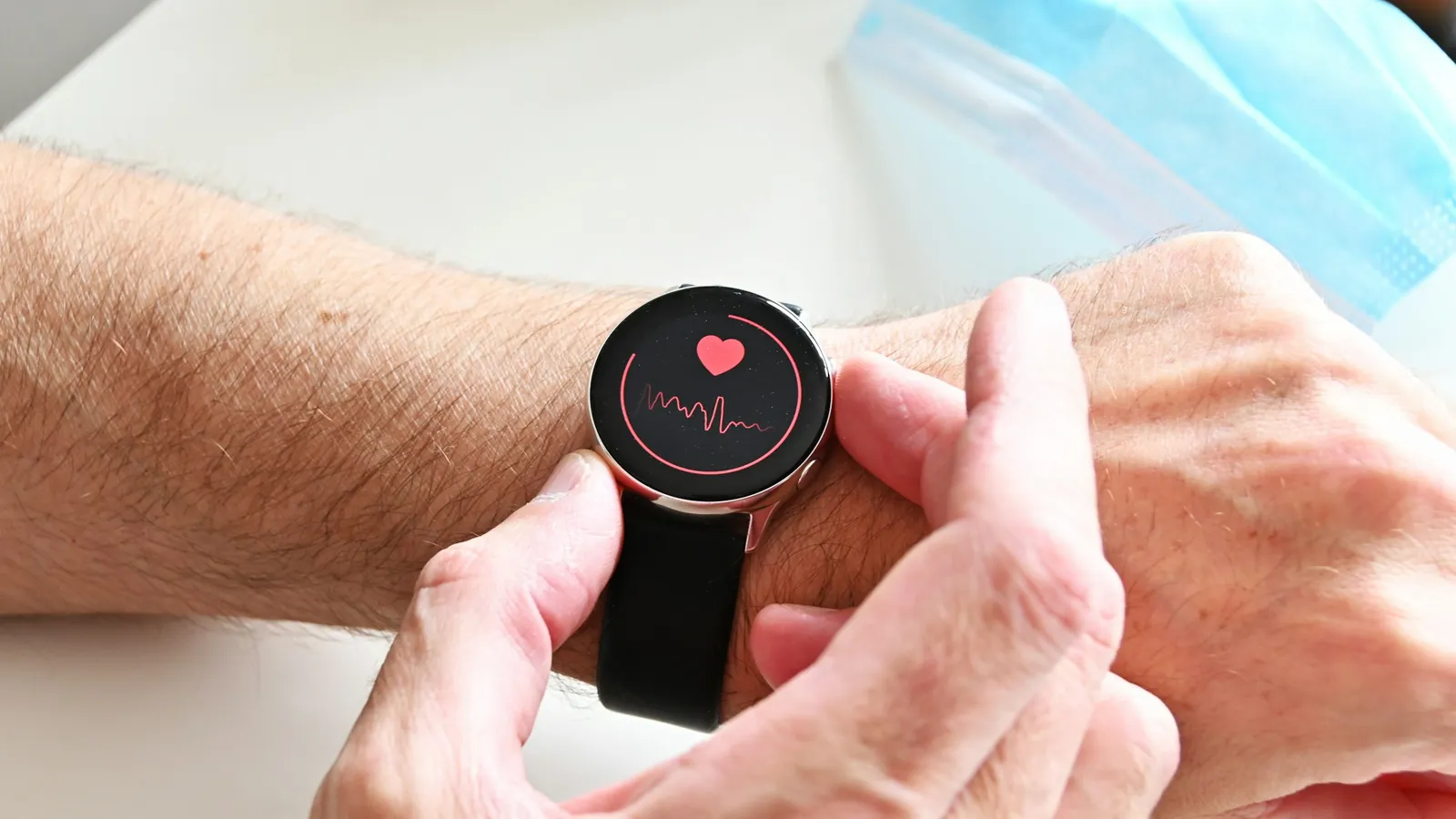
Wearable brands sell measurement: heart rate, sleep stages, recovery scores and steps. Personal trainers and online coaches look like an obvious route to clients for all of it. Yet when coaches decide what a client should log between sessions, device numbers sit near the bottom of the list.
QuickCoach published two measures in July 2026 that show why. One counts the tracking items coaches build into plans. The other counts how many coaches assign each kind of habit. Read together, they show where a device fits in a coaching relationship today.
The short answer
Steps appear in 4.9% of the non-exercise tracking items coaches add to plans, and resting heart rate barely registers. Counted by coach, 44% set a daily steps or movement target and 34% set a sleep or recovery habit. Coaches use a device to check a behaviour they have already prescribed.
4.9%
of coach tracking items involve steps; resting heart rate barely registers
44%
of coaches assign a daily steps or movement target
34%
of coaches assign a sleep or recovery habit
43%
of tracking items involve meal adherence, the top theme
What this is, in one paragraph
This page reads two QuickCoach platform reports first published in July 2026. The first counts tracking items: the share of non-exercise tracking items in active coaching plans that include each theme. The second counts coaches: the share who assign each habit category at least once. They answer different questions, so this page keeps them apart. Every figure is quoted as published, and everything is aggregated and anonymised. The full method sits at the foot.
Coaches track what clients do far more than what devices record
The tracking layer, by theme
Share of non-exercise tracking items that include each theme
Themes overlap, so shares do not sum to 100%. Resting heart rate barely registered. Source: QuickCoach, What Online Coaches Actually Track (July 2026).
Meal adherence, habits, nutrition targets and sleep fill the top of the list. Each one is something the client did or skipped that week. Bodyweight, measurements, steps and progress photos sit at the bottom, and they mostly record the results of the behaviours above them. Device-style numbers land with the results.
The wider demand picture these habits sit inside is set out in the annual read on the state of the wellness consumer.
Steps are rare in the log and common in the plan
By tracking item, steps barely register. By coach, a daily steps or movement target is the second most widely assigned habit on QuickCoach, set by 44% of coaches. Only food and logging, at 58%, is more common.
What coaches assign beyond the workout
Share of coaches who assign each category at least once
Counted once per coach. Coaches assign several categories, so shares do not sum to 100%. Source: QuickCoach, The Habit Assignment Report (July 2026).
The gap comes from what each count measures. A food log creates an entry every day, so it fills the item count. A step target is set once and runs all week in the background, so it creates few items while still shaping what a client does each afternoon. The watch records the steps, and the coach checks the total at the weekly check-in.
FitFocus programming data shows the same shift from the training side. Structured cardio makes up roughly 2% of what coaches program there, and much of the conditioning work now sits in the daily step target, where a training log can't see it. That finding is set out in Do Online Coaches Program Cardio?
Coaches want a number the client can move this week
The QuickCoach report explains the pattern with a simple test. A number a client can't influence this week makes a poor weekly check-in. Resting heart rate, recovery scores and sleep stages describe a client's state, so coaches write tasks the client can act on instead, such as a walk after lunch, screens off by 10:30 or 8,000 steps by 6pm.
Several of those tasks need a device to verify them. That is the job most coaches give a wearable today: confirming that a prescribed behaviour happened.
Wearable brands reach coaches by turning data into targets
- A device that turns its data into a target a coach can set and a client can hit fits how coaches already work. A device that only reports a score is asking for attention coaches aren't giving it.
- Coaches decide which of a device's numbers a client pays attention to. With 44% setting a movement target and 34% a sleep habit, that decision often happens before the client compares models, which makes it a consideration question a brand can measure.
- Steps are where coaches already rely on devices. Sleep and recovery habits are assigned by about a third of coaches but are harder to verify, and that is the clearest opening for a device that makes them as easy to check as a step count.
- Consumer surveys show who owns or wants a device. They can't show whether the coach guiding the client trusts its numbers, which needs the professional side measured separately, as set out in Both Sides of the Sale.
The supplement data points the same way. Coaches recommend ingredients more often than brands, and the tracking data suggests a similar habit with devices: the coach prescribes the behaviour and leaves the hardware choice to the client.
What this page does not claim
- It reads what coaches ask clients to track and do. It doesn't measure which wearables clients own or connect.
- Both source reports count what coaches build into plans, not what clients complete.
- No wearable brand is named or counted.
- The data comes from QuickCoach, whose coaches lean towards independent, digitally engaged practitioners. It speaks strongly for that network and directionally for the wider non-clinical workforce.
See where your device stands with coaches
hale measures awareness, consideration and preference for your brand among the coaches who decide which metrics their clients act on, and among those clients, every month against your competitive set.
Research partners can reach us at research@halehealth.io.
Where these figures come from
How we got these numbers
Source. Two QuickCoach platform reports, quoted as published: What Online Coaches Actually Track (July 2026) and The Habit Assignment Report (July 2026). Both read aggregated activity across active coaching plans on QuickCoach, a platform used by more than 40,000 coaches and fitness businesses and one of the platforms behind the hale panel. The structured-cardio figure comes from FitFocus, Do Online Coaches Program Cardio? (September 2026).
Definitions. Tracking shares are item-weighted: the share of non-exercise tracking items that include a theme. Habit shares are coach-weighted: the share of coaches who assign a category at least once. Themes are classified from free text, so treat them as directional. Both measures overlap across categories.
Scope. The data comes from QuickCoach, whose coaches lean towards independent, digitally engaged practitioners. It speaks strongly for that network and directionally for the wider non-clinical workforce. Figures are rounded. How every hale figure is produced is set out in how hale measures.
Privacy. Everything is aggregated and anonymised. No individual coach, client or business is identifiable, and no personally identifiable information is included.
Frequently asked questions
Do fitness coaches use wearable data?
Mostly to confirm a behaviour. In QuickCoach data, steps appear in 4.9% of the non-exercise tracking items coaches build into plans, and resting heart rate barely registers. Coaches focus on things a client can act on this week, such as meals, habits and sleep.
How many coaches set step targets for clients?
About 44% of coaches on QuickCoach assign a daily steps or movement target, the second most widely assigned habit after food and logging at 58%. Steps look rare in the tracking data because a target is set once and generates few entries.
What does this mean for wearable brands?
Coaches decide which of a device's numbers a client acts on. A wearable that turns its data into a target a coach can set and a client can hit fits coaching better than one that only reports a score.
Where do these figures come from?
From two QuickCoach platform reports published in July 2026, both aggregated across active coaching plans on a platform used by more than 40,000 coaches. hale quotes them as published.
Published October 2026. Figures first appeared in QuickCoach's What Online Coaches Actually Track and The Habit Assignment Report (July 2026), and FitFocus's Do Online Coaches Program Cardio? (September 2026), aggregated and anonymised. hale is a health-tech holding company; its coaching platforms, QuickCoach and FitFocus, form the network behind this research. To see what this looks like for your brand and competitive set, start a conversation or reach us at research@halehealth.io.
How hale research works: the panel, the instruments and the privacy rules.