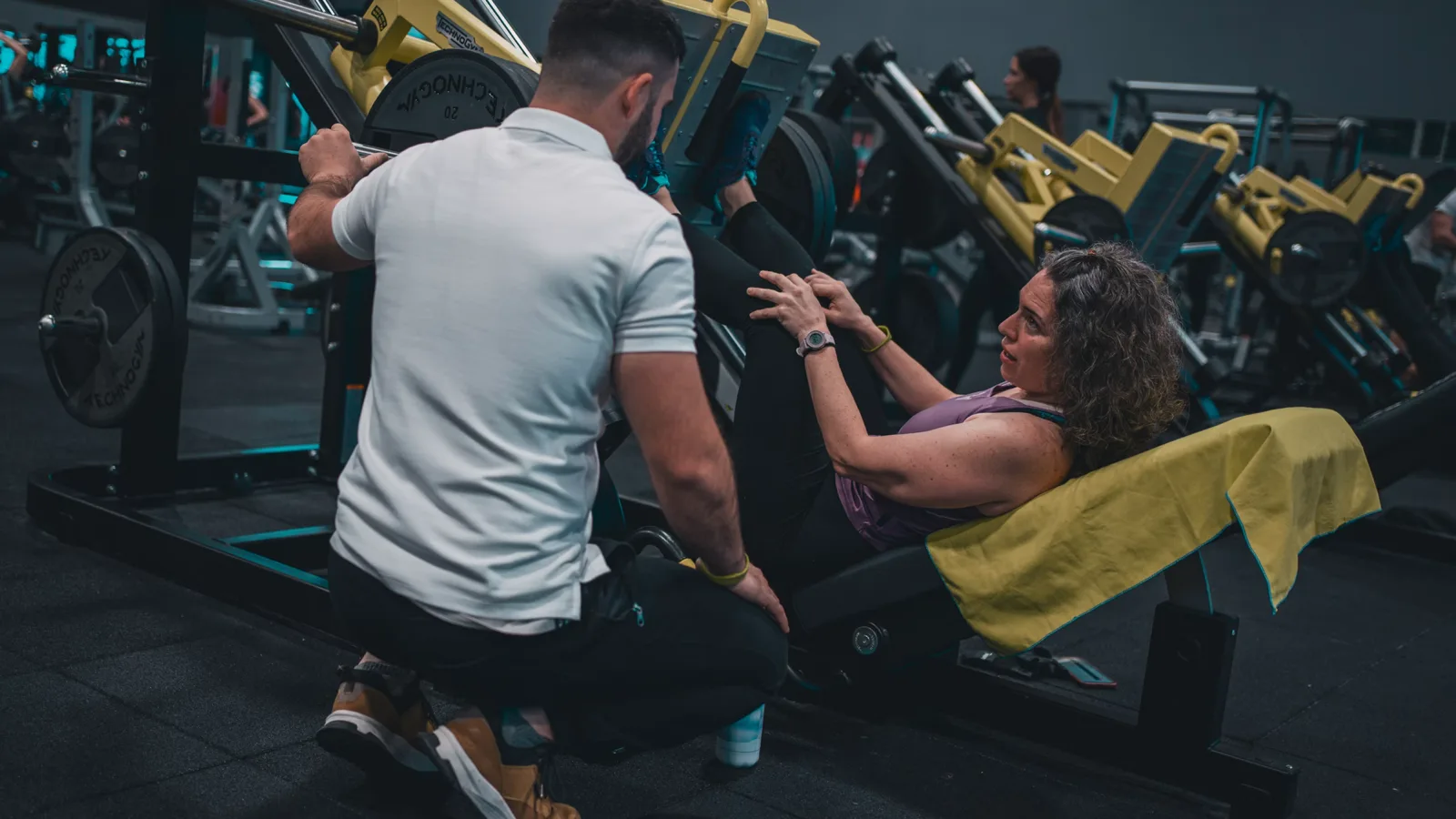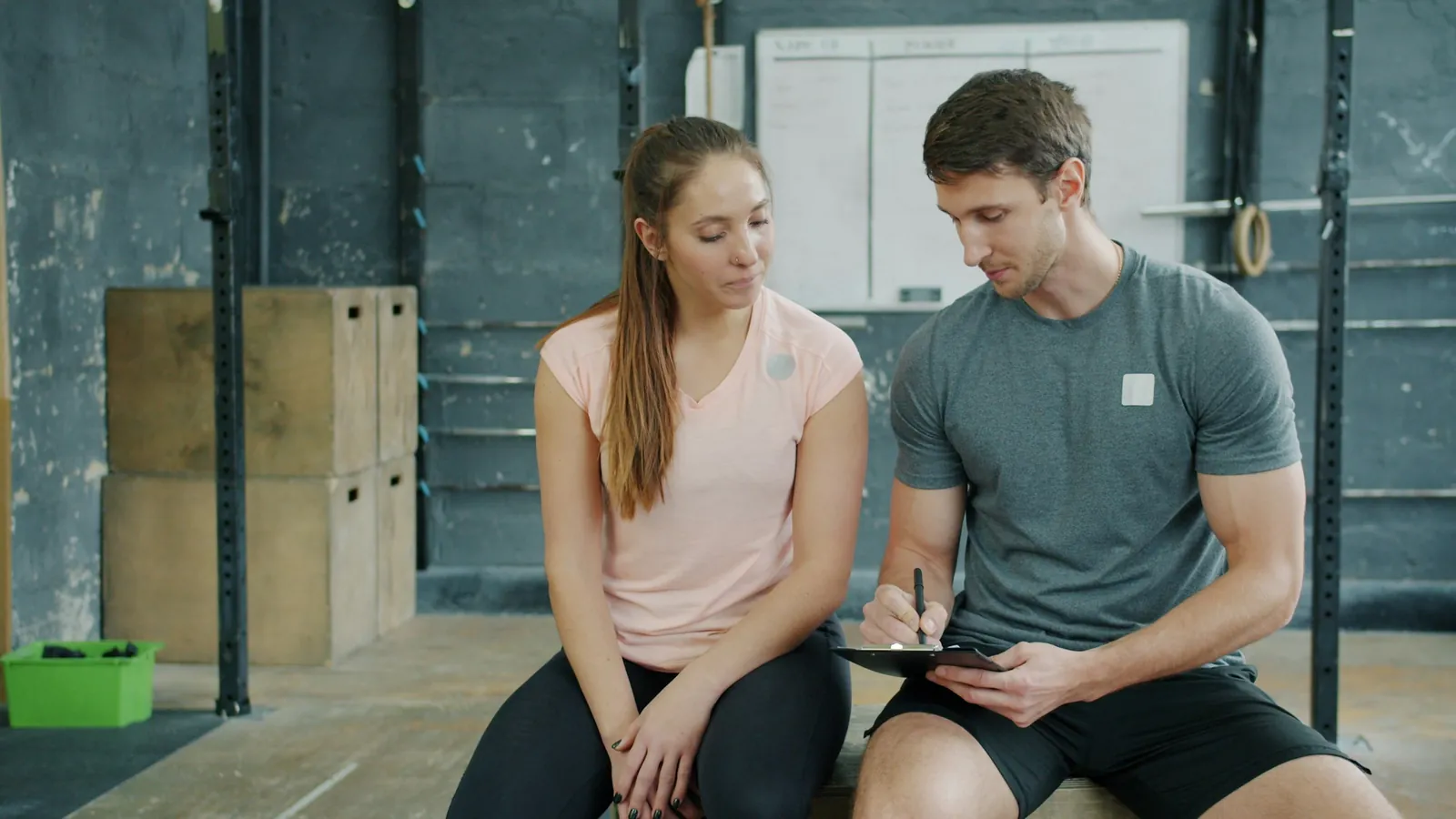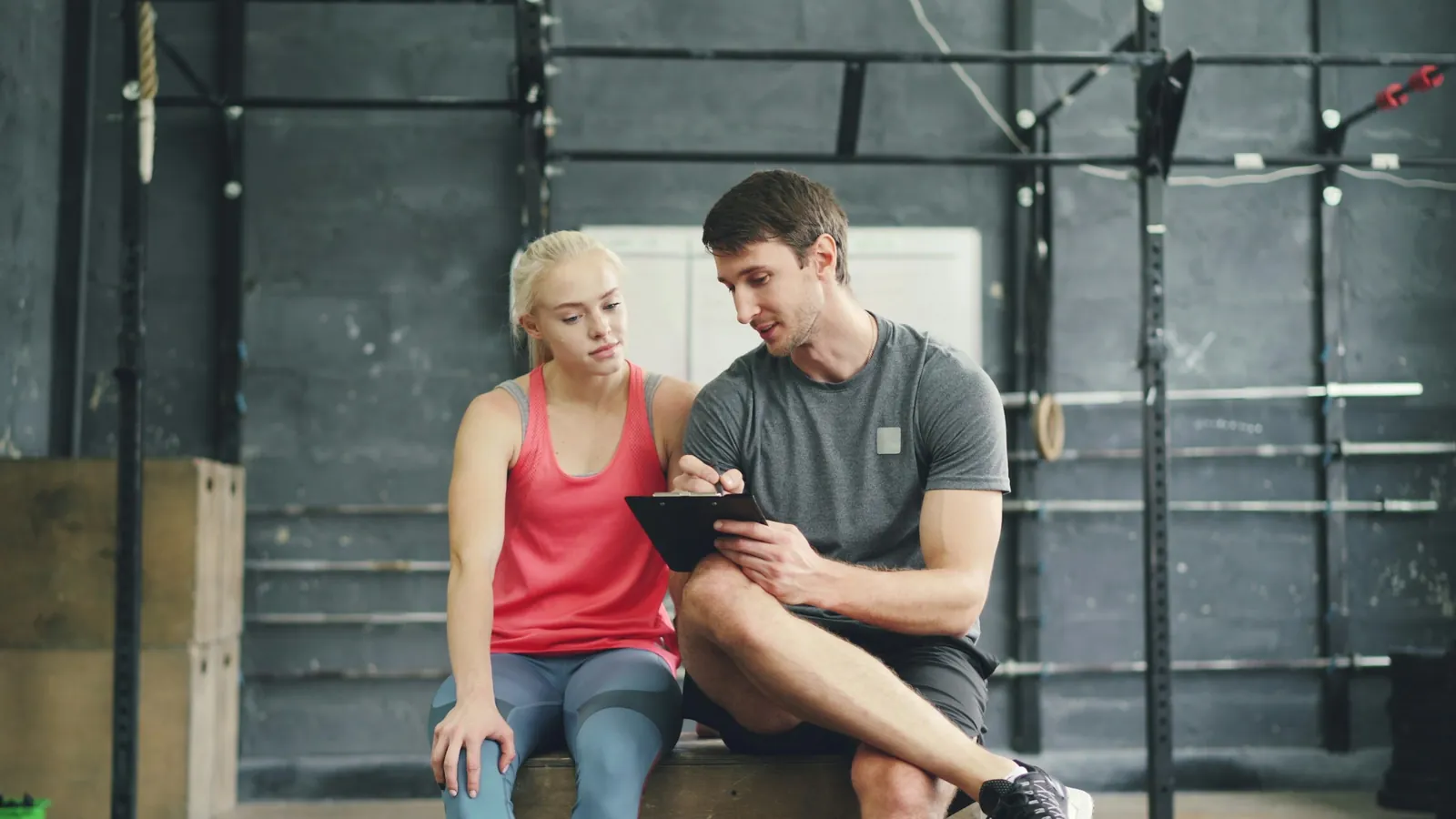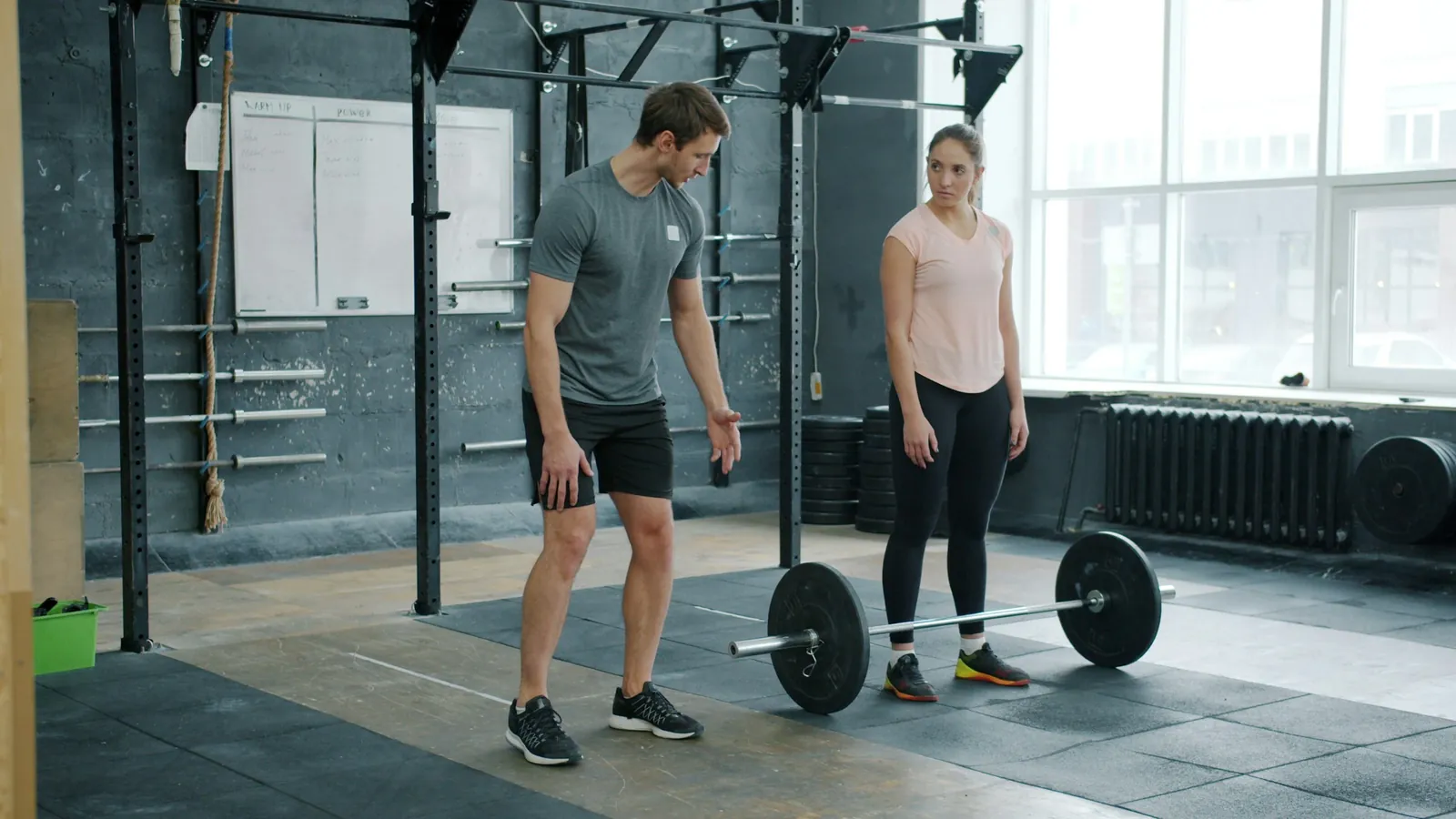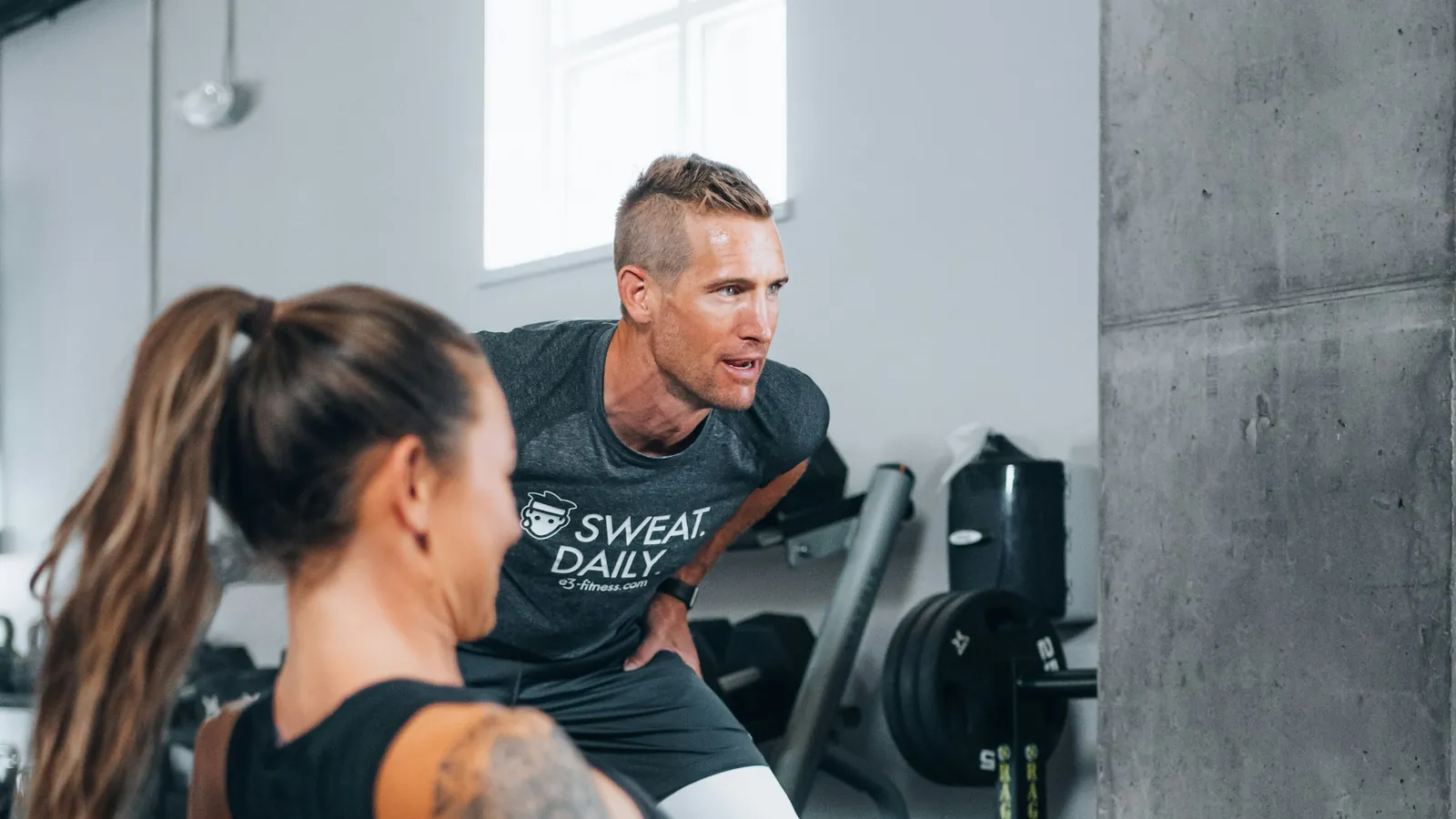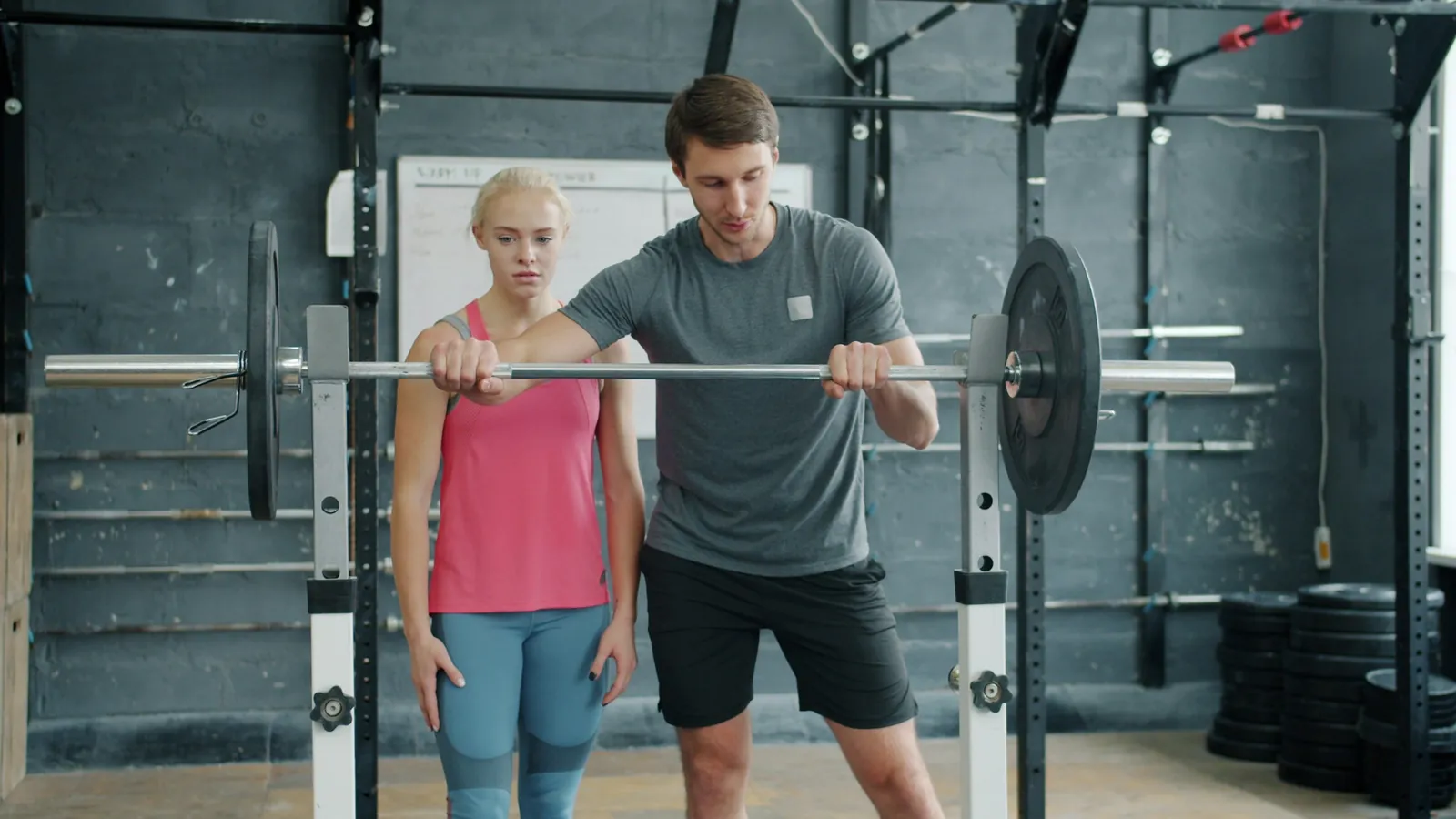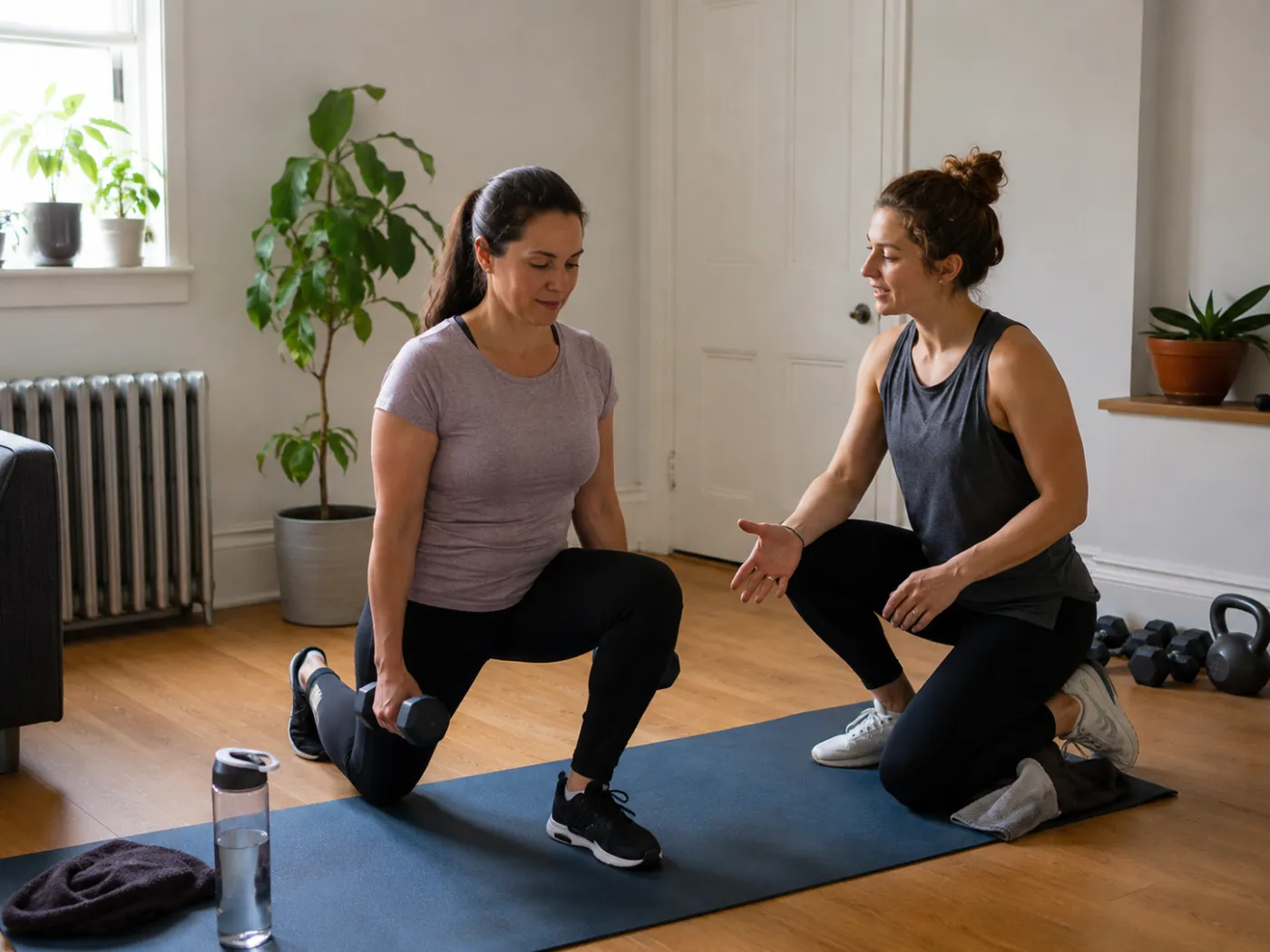
Most brand tracking surveys consumers. In health and fitness that is half a picture, and often the less useful half. A large share of what a consumer buys in this category is shaped by a professional first. The coach forms a view, carries it to clients, and it compounds. By the time a brand shows up in consumer awareness, it has already been filtered through that professional layer. Watch only the consumer and you are seeing the outcome, well after the moment that decided it.
hale measures both sides, because the network holds both. Across the ecosystem we reach more than 40,000 fitness professionals and the clients they guide, and we survey the coach as influencer and the client as consumer. That is not a nice-to-have. It is the only way to watch a perception actually move. If you are new to brand tracking, the What Is Brand Tracking? guide explains the measures in plain English.
The short answer
In health and fitness, perception travels from brand to professional to consumer. Measuring only the consumer tells you where a brand has landed, never how it got there or where it is heading next. A two-sided read separates a brand with borrowed awareness and no professional backing, which is fragile, from one whose recommendation engine is warming up ahead of its consumer numbers, which has upside coming. A one-sided tracker cannot tell those two situations apart.
40,000+
professionals in the network, the influence side of the sale
110+
countries with active coaches on the platform
152
countries reached across coaches and clients
What this is, in one paragraph
This is a view built on a two-sided professional network, not a general-population poll. It draws on hale ecosystem research combining a voluntary practice-profile survey (2,184 valid responses, fielded March to September 2026) with platform activity across a 90-day window in 2026, covering more than 40,000 professionals and their clients. Everything is aggregated and anonymised. The full method sits at the foot of the page.
How perception actually moves in health and fitness
In this category a brand's reputation rarely forms in the consumer's head first. It forms in the professional's, then travels. Think of it like weather. Consumer awareness is the rain you can see and count. The professional layer is the front moving in that decides whether it rains at all. Track only the rain and you are always a day late, describing what already happened instead of what is coming.
The chain runs brand to professional to consumer. A coach forms a view of a product, through their own use, their peers, or the evidence they trust, and then that view reaches every client they guide, carried by a relationship the client is paying to rely on. A brand that wins the professional wins a multiplier. A brand that wins only the consumer has bought reach without the endorsement that makes it stick.
What one side can't tell you
Plot a brand on two axes, its standing with professionals and its standing with consumers, and four very different situations appear. They call for opposite decisions, and a one-sided tracker cannot tell them apart, because it only ever sees one axis.
Standing with consumers, high to low · standing with professionals, high to low
Compounding
Strong with professionals and consumers. Recommended and chosen. The durable position, and the one worth defending hardest.
Borrowed
Strong with consumers, weak with professionals. Awareness without endorsement. Fragile, and vulnerable the moment a competitor wins the coaches.
Warming up
Strong with professionals, weak with consumers. The recommendation engine is running ahead of the consumer numbers. Upside coming, if you protect it.
Unknown
Weak on both sides. Awareness to build from scratch, and a decision to make about which side to win first.
Read only the consumer axis and “Borrowed” and “Compounding” look identical, right up until the quarter a rival's coach push pulls the floor out from under the borrowed brand. Read only the professional axis and you miss whether any of that endorsement is converting. The value is in holding both at once.
See both sides of your brand
Where does your brand actually sit, with the professionals who shape the category and with the consumers who buy it? hale reads both, continuously, against your chosen competitive set.
Two sides, one global network
Seeing both sides only works if you can reach both at scale. The hale ecosystem spans more than 40,000 coaches active in over 110 countries, with their clients reached across 152, including 42 countries served with no local coach present. That footprint means a two-sided read is not a single-market curiosity. A brand can watch how a perception forms among professionals in one market and how it lands with consumers in another, on the same instrument, over time. The standalone report on the global and cross-border coaching footprint sets out the geography in full.
It also means the two sides can be segmented rather than averaged into a blur. A brand can read the coach view separately from the client view, and specific markets or coach segments separately from the whole, which is where the decisions actually live. For why the professional side carries so much weight in the first place, see The Recommendation Layer. For how word of mouth spreads from a coach to every client they guide, see Word of Mouth in Fitness. For the data on whether professionals actually influence what clients buy, see Do Fitness Professionals Influence What Clients Buy?. For the annual read on the consumer side of that network, see the State of the Health and Wellness Consumer 2026. For the metrics that describe a brand's health, and how to read them, see the guide to brand health metrics. For the metric the two-sided read bends most directly, awareness itself, see the awareness gap explainer.
Methodology and limitations
How we got these numbers
Source. An internal research project across the hale ecosystem, which serves more than 40,000 fitness and health professionals and their clients. Findings combine a voluntary practice-profile survey (2,184 valid responses fielded March to September 2026, with the rate holding between 64% and 74% in every monthly cohort) with platform activity across a 90-day window in 2026.
The two-sided view. The ecosystem lets us survey coaches as influencers and their clients as consumers within one network. The quadrant framing is an analytical model for reading a brand's standing on each side, not a scored output; a live brand-tracking engagement places a specific brand and its competitive set on those axes with real measures.
Scope. This is a read of a professional network and its clients, not a census of the entire non-clinical workforce or the general population. The ecosystem sample skews towards independent, digitally engaged practitioners, so figures should be read as a directional baseline. Figures are rounded.
Privacy. Everything is aggregated and anonymised. No individual coach, client or business is identifiable, and no personally identifiable information is included.
Frequently asked questions
Why measure fitness coaches and their clients, not just consumers?
Because in health and fitness the professional often shapes the purchase before the consumer forms a view. Measuring only consumers captures the outcome and misses the mechanism. A two-sided read of coaches and clients shows how a perception travels and where it is heading, not just where it has landed.
How does brand perception travel from a coach to a consumer?
A coach forms a view of a product and carries it to the clients they guide, through a paid, trusted, repeated relationship. That relationship is what turns a professional's opinion into a consumer's purchase, which is why the professional side of the sale is a leading signal for the consumer side.
What can a two-sided brand tracker show that a normal one can't?
It can tell apart brands that look identical on consumer awareness alone: one backed by professionals and durable, one running on borrowed awareness and fragile. It can also surface a brand whose professional endorsement is running ahead of its consumer numbers, an early signal of upside that a consumer-only tracker cannot see.
Published August 2026, drawn from an internal research project across the hale ecosystem of 40,000+ professionals and their clients. hale is a health-tech holding company; its coaching platforms, QuickCoach and FitFocus, form the network behind this research. To see where your brand sits with the professionals who shape your category and the consumers who buy it, start a conversation or reach us at research@halehealth.io.
How hale research works: the panel, the instruments and the privacy rules.