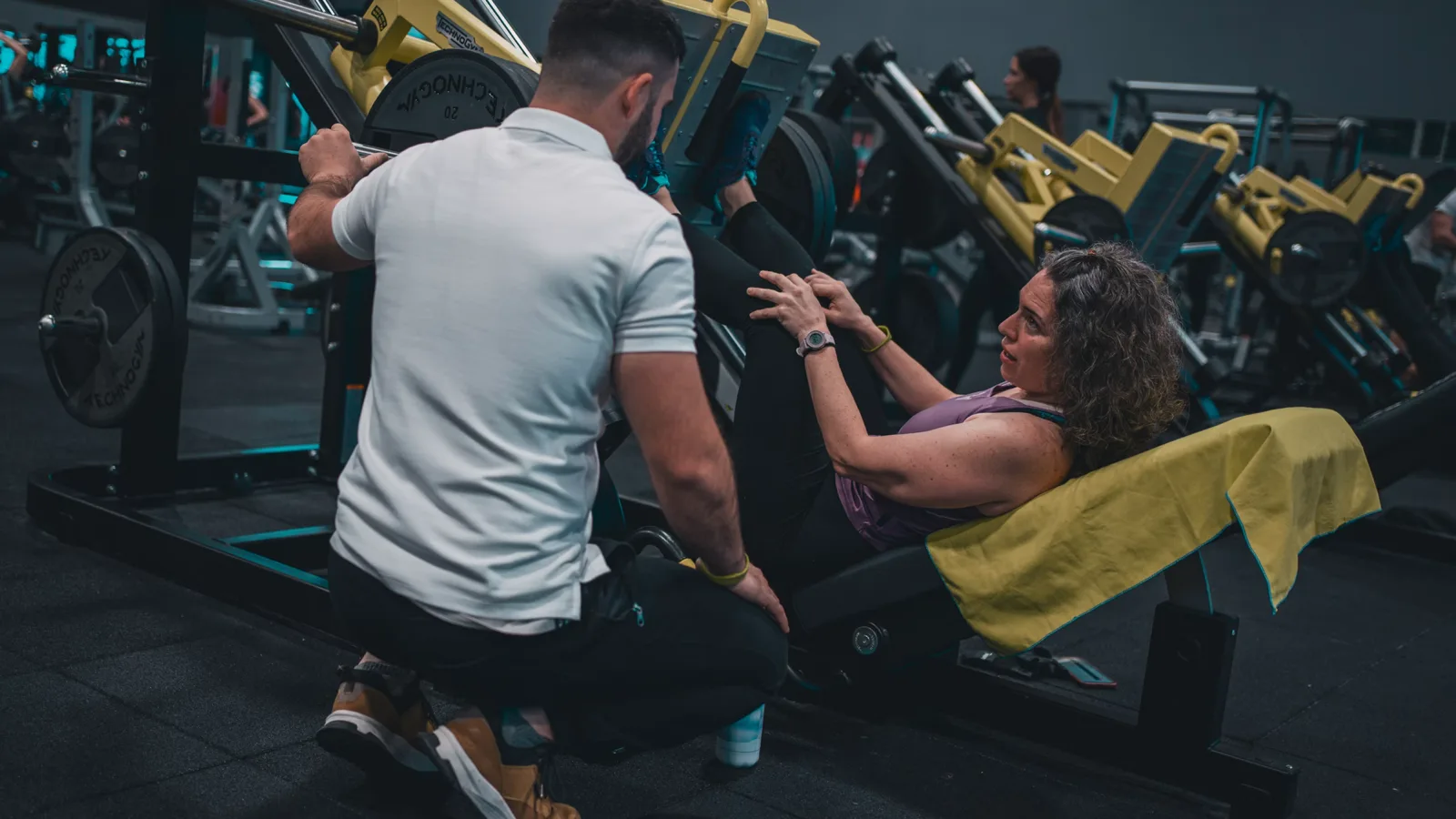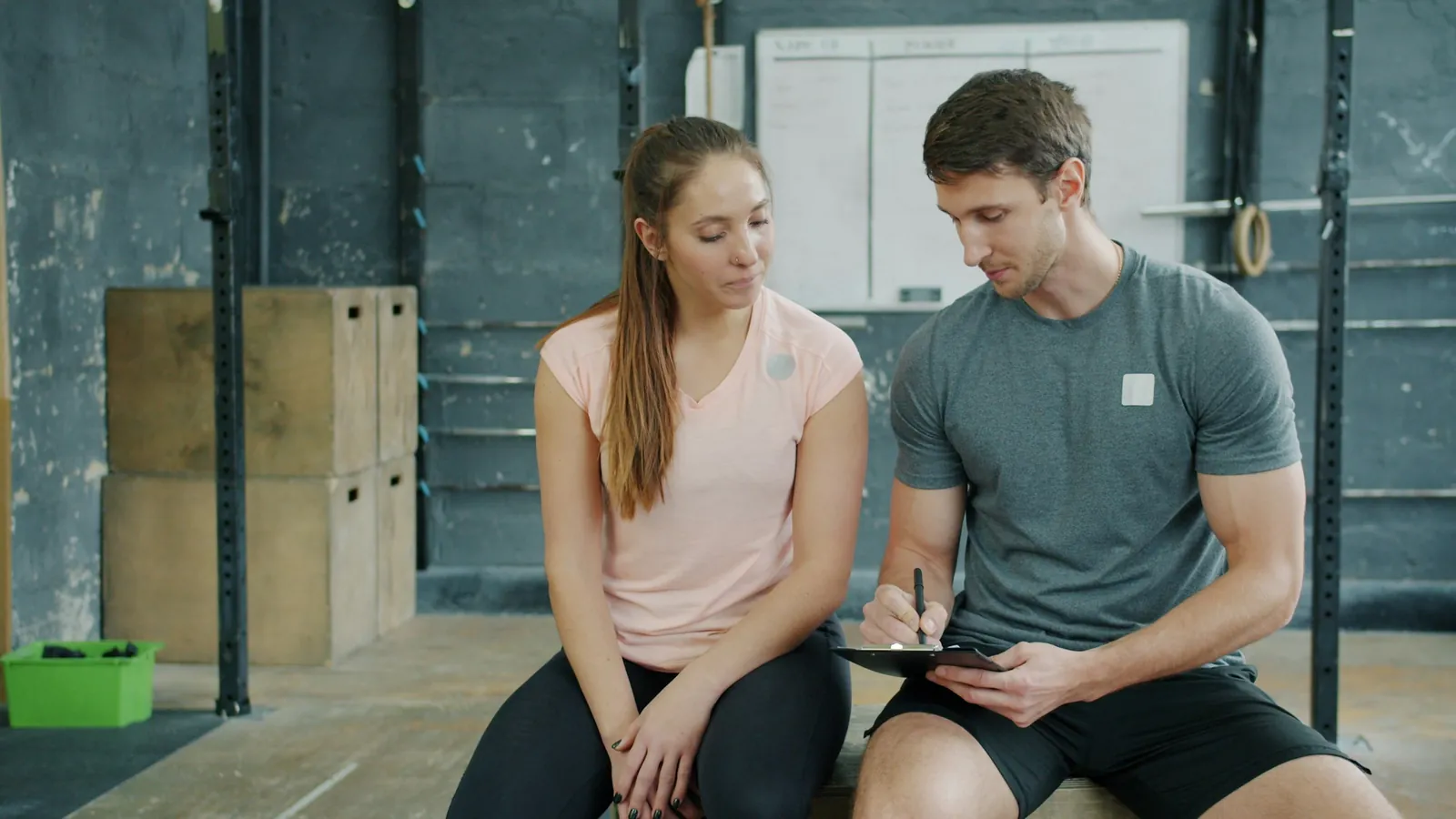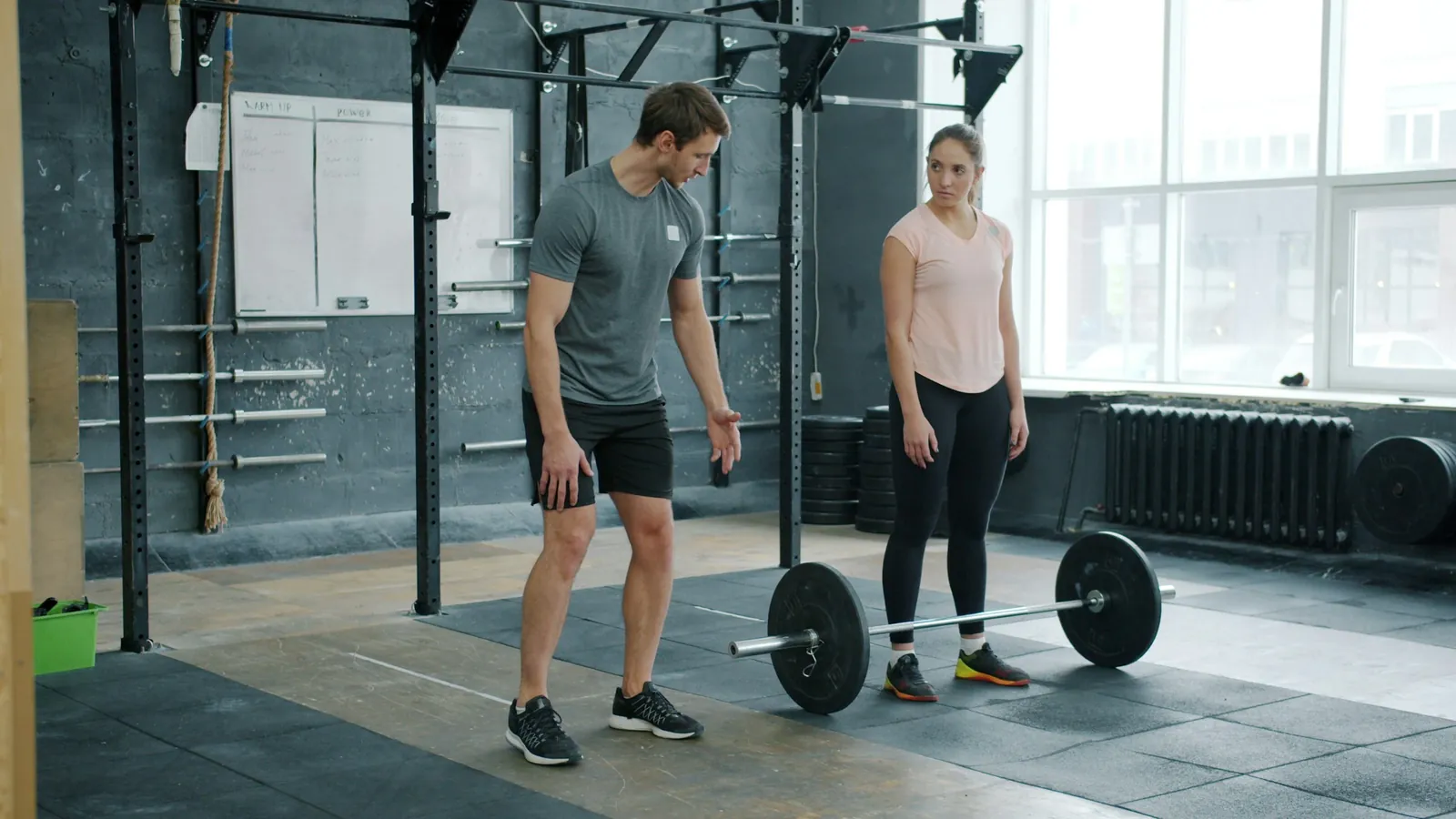
A supplement brand can do everything right on the consumer side and still lose the decision that matters. In this category the choice is often made in a conversation between a coach and a client, before anyone searches, compares or reads a label. That conversation is the practitioner layer, and winning it does not work like winning shelf space or a paid placement. A coach is not a distribution point. They are a professional whose recommendation has to survive their own judgement, and they will only make it when the product makes them look right.
This page is the brand-side playbook for that layer. It is a playbook rather than a data report, so every figure below is quoted from an already-published hale report and attributed where it appears, and nothing here is re-derived or estimated. The question it answers is practical: if the layer is real and already busy, what does a brand actually do to be chosen inside it, and how do you know whether you are winning?
The short answer
The practitioner layer is won by being the product a coach can explain, defend and fit into advice they already give, not by buying their attention. Education, evidence and reliable supply do the work. You measure it by tracking whether the same professionals keep naming you, wave after wave. Brand-level cuts stay gated.
What this is, in one paragraph
This is a playbook built on already-published reads of a professional network, not a general-population poll and not a new study. Every figure on the page is quoted from a named hale report and attributed where it appears: the recommend-rate topline from Do Fitness Professionals Influence What Clients Buy?, the category ranking from inside the supplement category, and the workforce figures from the professional-workforce behaviour report. The underlying sample comes from the hale ecosystem, which serves more than 40,000 fitness and health professionals and the clients they guide, and it skews towards independent, digitally engaged practitioners on the QuickCoach and FitFocus platforms. Read it as a directional baseline on the wider non-clinical workforce rather than a census of it. Everything is aggregated and anonymised. The full method sits at the foot of the page.
Why the professional is not a channel
Most marketing treats an intermediary as a route to an audience. You buy access, the intermediary passes the message along, and the audience is the product. The practitioner layer inverts that, because the professional is not carrying your message. They are carrying their own reputation, and every recommendation they make spends a little of it.
That single difference explains most of what works and what fails here. A coach who recommends a product they cannot explain, or one that arrives late, or one a client reacts badly to, pays for it in the next session. So they default to a short list of products they know well, and that list is hard to enter. It is also durable once entered, which is why this layer rewards patience and punishes campaigns.
The published evidence says the layer is not a niche. Roughly seven in ten coaches across the hale ecosystem recommend at least one supplement category to their clients, on a survey of 2,184 valid professional responses fielded March to September 2026. That figure belongs to the standalone report on whether professionals influence buying, and it is a category-level read rather than a brand-level one. It tells you the layer is active. It does not tell you who is winning inside it. The case for why this layer is the part of the market a general-population tracker is built to miss is set out in the recommendation layer research.
What the layer already pushes
There is published evidence about what the layer puts into clients' hands, and it is worth reading before planning anything. Asked which supplement categories they recommend, coaches who recommend anything put protein and other training staples at the top of the list, followed by post-workout recovery aids, everyday health and immunity products, and pre-workout. That is an ordinal ranking of categories, published in the supplement category read, and it says nothing about which brands are named inside those categories.
Read it as a map of the conversations already happening rather than a league table. Where your category sits at the top of that list, the professional conversation about it is routine and your problem is being the name that comes to mind. Where it sits lower down, the conversation itself is the first thing to build, because a category a coach does not reach for is a category they will not name a brand from. Even where the category is routine, the brand is rarely named: fewer than 1 in 20 coaches name one when describing a supplement that worked, according to the ingredients-not-brands report.
The workforce behind those recommendations behaves like a working professional, and that shapes how you reach them. Nearly 29% of platform sessions land between 8am and midday local time and fewer than 2% happen overnight, a pattern that holds across geographies. The full read is in the professional-workforce behaviour report. The practical consequence is unglamorous: the window in which a professional will read anything you send them is a working window, and the material has to be usable inside it.
What earns a place in the repertoire
Four things do most of the work, and none of them is persuasion in the usual marketing sense.
Be explainable in one sentence
A coach has to be able to say why they recommend you, to a client, without turning into a nutritionist. A product with a clear reason to exist, described in language that fits a training conversation, gets passed on. A product whose value takes three paragraphs to establish tends to be quietly dropped, not because it failed but because it costs the coach time they do not have.
Fit advice the coach is already giving
Recommendations last when they slot into a story the professional is already telling. Protein fits a conversation about recovery; magnesium fits a conversation about sleep and training load. A brand that asks a coach to rearrange their programme in order to justify it is asking for more room than the recommendation is worth, and it usually loses that trade. The test is whether your product makes the coach's existing advice easier to deliver, not whether it is better in the abstract.
Behave reliably after the sale
Endorsements rarely die from a bad review. They die from small operational failures: stock that runs out, a price that needs explaining every quarter, a claim that creates a question the coach cannot answer, packaging that confuses a client. Each of those makes the recommendation slightly more expensive for the professional, and professionals quietly stop paying costs they do not need to pay. In this layer reliability is not a brand attribute so much as the condition that keeps the recommendation alive.
Reach professionals where they learn
Education is the medium here rather than advertising. A coach adopts what they understand, which is why product education and practitioner-facing material do more work than a campaign aimed at professionals as an audience. Sampling has a role, but only after the explanation, because a free unit a coach cannot justify is a free unit that goes unused. What fails is treating the layer as a media buy with a professional filter on it.
How to measure your position without the gated cuts
Measurement is where most brands improvise, and the improvisation usually takes one of two forms. Either they commission a one-off survey of coaches, which dates the moment it lands, or they read their own mentions and call it sentiment. Neither produces a number a board will act on.
The cuts that would answer the question precisely, recommend-rate by coach experience, by roster size or by market, are part of hale's paid brand-tracking work rather than published research. That line is deliberate. A published topline tells you which question to ask, and the answer is specific to a brand, its category and its competitive set. What you can track continuously without any of that granularity is narrower than it sounds, and more useful than most brands expect.
Three measures carry most of the signal:
- Whether professionals in your category name your brand unaided, before any prompt or list.
- Whether the same professionals are still naming it in the next wave, which is the difference between a trial and a position.
- Whether your position against the brands you actually compete with is moving month to month, rather than holding flat.
Each of those needs the professional side measured on its own rather than inferred from consumer numbers. Why the two sides have to be read together is set out in the two-sided method, and where the layer sits against the rest of the marketing budget is the subject of brand versus performance in wellness.
The measures worth pairing with these are the standard brand health metrics, described in the brand health metrics guide. The reason to pair them is diagnostic. A rising recommend-rate beside a flat consideration score is a specific situation: the professionals are doing their job and the brand is not converting it into demand. Read either number alone and that situation stays invisible.
What brands get wrong at this layer
Three failure modes account for most of the wasted spend, and all three come from treating the layer as a channel.
Paying for the recommendation. A sponsored mention from a professional is an ad wearing a lab coat, and clients are better at spotting it than brands assume. Once the audience suspects a recommendation was bought, every genuine recommendation from that professional is worth less. The reputational cost lands on the professional, which is why the ones worth reaching tend to refuse.
Chasing the first mention. Being named once is a trial. What decides a category position is whether the same coach names you again, to a different client, six months later. A programme built around first mentions produces a graph that looks healthy while the layer underneath it quietly thins. What makes that persistence happen is set out in the piece on whether coaches recommend the same brand.
Running it as a campaign. A six-week push that ends is the wrong shape for a layer whose asset is a habit. A professional either has you in their repertoire or does not, and that state changes slowly in both directions. Continuous, modest presence tends to beat a burst, because the thing being built is a habit rather than an impression.
What this page does not claim
The boundary matters more than the headline, so here it is plainly. This is not a market-size figure and it contains none: nothing here says how large any category is in any market. It is not a brand-level read, and no page on this site publishes a named brand's recommend rate. It is not a claim that every coach recommends, because roughly three in ten report recommending no supplement category at all. And it is not a replacement for the reports it quotes, each of which owns its own number and states it in full.
One limitation applies to every figure quoted above. The read comes from the hale ecosystem, which skews towards independent, digitally engaged practitioners on the QuickCoach and FitFocus platforms. It is a strong signal about the network measured and a directional one about the wider non-clinical workforce. Country-level and brand-level views sit beneath the published topline and stay part of hale's paid tracking work.
The figures this page sits on
For completeness, the published numbers this playbook reconciles against, each attributed to the report that owns it. None of them is re-derived here, and none is this page's own finding.
The layer is active: ~7 in 10
Coaches recommending at least one supplement category to clients, on 2,184 valid responses fielded March to September 2026. Published in the professional influence report.
What it pushes: training staples lead
The ordinal ranking of recommended categories, headed by protein and other training staples. Published in the supplement category read.
The rhythm: 28.7%
Share of platform sessions landing between 8am and noon local time, with under 2% overnight. From the workforce behaviour report.
The panel: 40,000+
Fitness and health professionals across the hale ecosystem, the network these figures are read from. A credential rather than a finding.
See whether your brand holds the layer
hale measures perception among the coaches and practitioners who guide your buyers, continuously and against your competitive set, so a drift out of the repertoire shows up as a trend rather than a surprise.
Where these figures come from
How we got these numbers
Source. Three already-published hale reports: Do Fitness Professionals Influence What Clients Buy? (August 2026), What Coaches Recommend in the Supplement Category (September 2026) and The Professional-Workforce Behaviour Signal (August 2026). Each draws on an internal research project across the hale ecosystem, which serves more than 40,000 fitness and health professionals and their clients, combining a voluntary practice-profile survey (2,184 valid responses, fielded March to September 2026) with platform activity across a 90-day window in 2026.
Reconciliation. Every figure on this page is quoted from one of those reports and attributed where it appears. Nothing is re-derived or estimated, and this page publishes no headline number of its own. The recommend rate belongs to the professional influence report, the category ranking to the supplement category read, and the session-share figures to the workforce behaviour report.
Scope. A read of a professional network, not a census of the entire non-clinical workforce. The ecosystem sample skews towards independent, digitally engaged practitioners, so read it as a directional baseline. The recommend rate is a category-level measure and says nothing about which brands are named. Country-level and brand-level views are held as part of hale's brand-tracking work rather than published. Figures are rounded.
Privacy. Everything is aggregated and anonymised. No individual coach, client or business is identifiable, and no personally identifiable information is included.
Frequently asked questions
What is the practitioner layer in supplement marketing?
It is the professional layer between a supplement brand and its buyers: the coaches, trainers and allied-health practitioners whose recommendation shapes what a client buys. In this category the choice is often made inside that conversation rather than in a shopping moment, which is why the layer is worth winning on its own terms instead of treating it as a media channel.
How do you win a coach's recommendation?
By being explainable, by fitting advice the coach already gives, and by behaving reliably after the sale. A professional recommends what they can pass on without extra work and without risking their own credibility, so education and operational consistency do more than a campaign aimed at professionals as an audience. Paying for mentions tends to destroy the value of the recommendation being bought.
Can hale show me my own brand's recommend rate by coach segment?
Not on this site. Recommend rate by coach experience, roster size or market is part of hale's paid brand-tracking work, and no named brand's figures are ever published. The published topline is free to cite. What a brand can track continuously is its own standing with professionals, against its competitive set, wave over wave.
Published October 2026. Every figure on this page is quoted from an already-published hale report drawn from an internal research project across the hale ecosystem of 40,000+ professionals and their clients; nothing here is re-derived, and no brand-level recommendation data is published. hale is a health-tech holding company; its coaching platforms, QuickCoach and FitFocus, form the network behind this research. To see where your brand sits with the professionals who shape your category, start a conversation or reach us at research@halehealth.io.