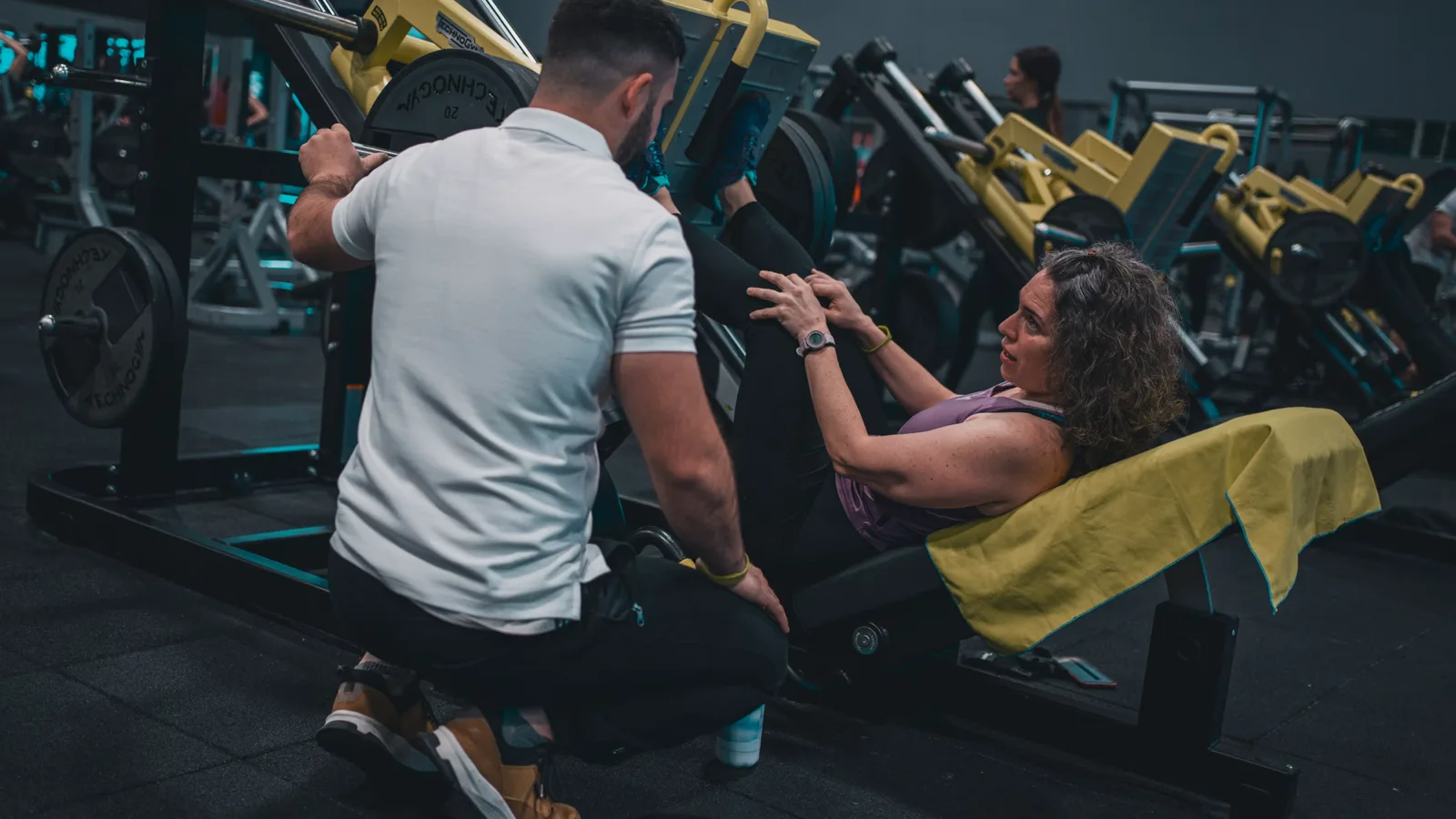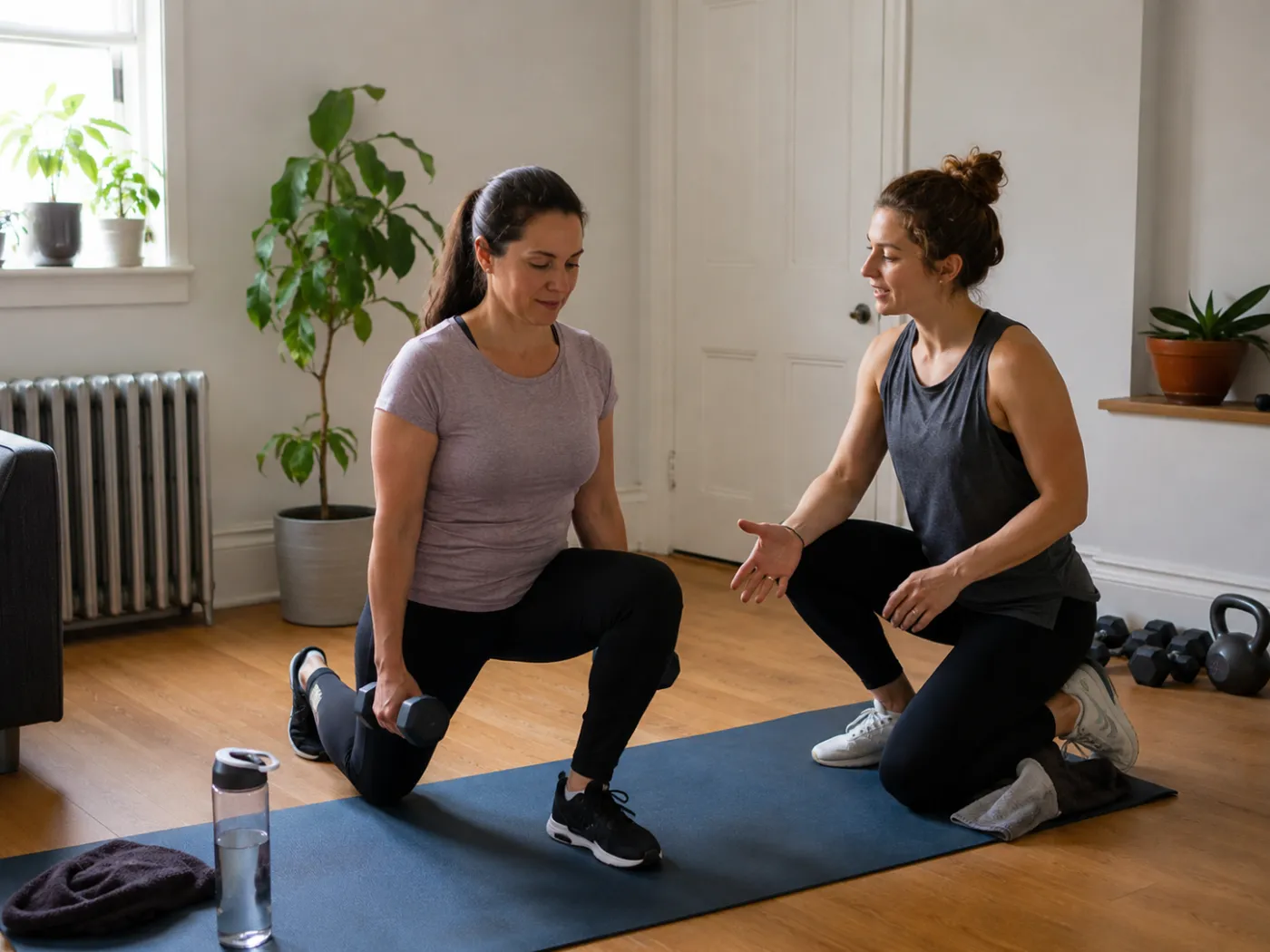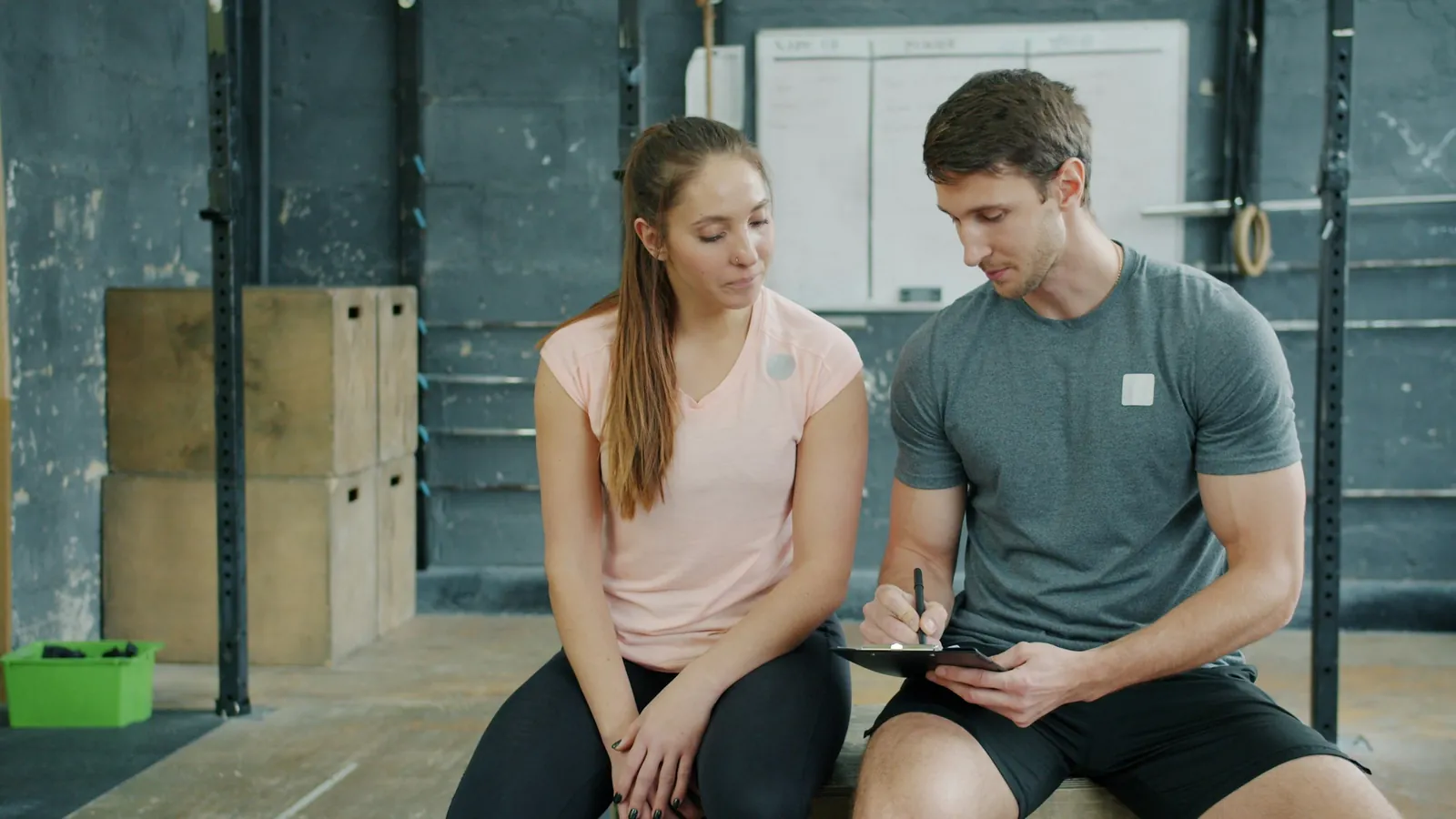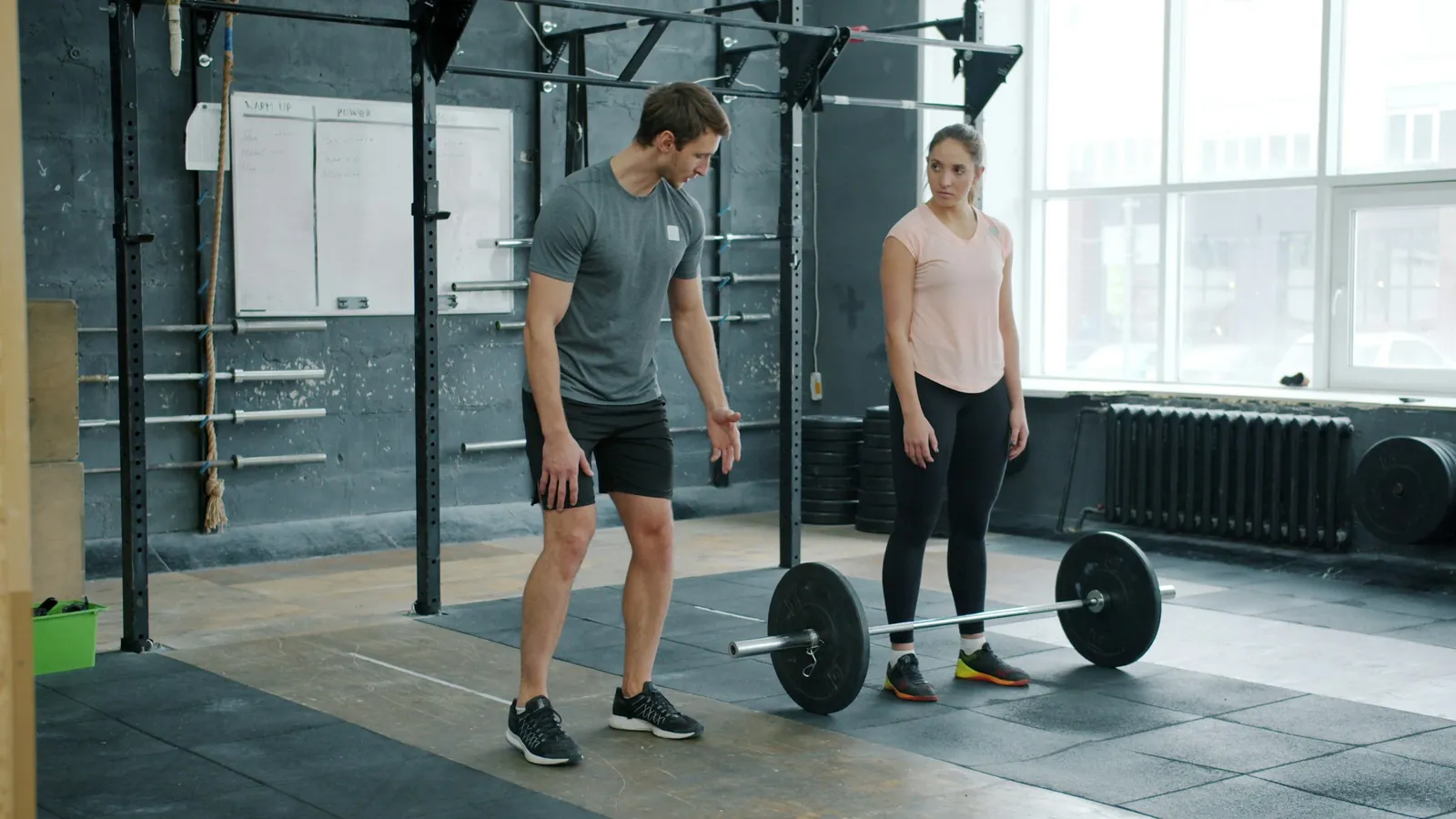
Most brand research treats coaches as one audience, and the programming data argues against it. A powerlifting coach and a physio-led coach can share a platform and a client base and still disagree about almost every exercise, every progression rule and every product worth recommending.
Across approximately 70,000 logged workouts, FitFocus read the programming of six coaching styles in a six-part series. This page reads that series from the brand side, covering who each segment is, what it programmes, the evidence it trusts and where products come in.
The short answer
The professional layer splits into six segments: physique, powerlifting, Olympic weightlifting, CrossFit, hybrid strength and conditioning, and rehab or physio-led coaching. Physique is the largest by training volume and the default for general clients. Hybrid is where the styles converge. Each segment recommends on different evidence, so one message to coaches misses most of them.
6
distinct coaching archetypes read from the programming data
~70,000
workouts logged on FitFocus between 2023 and 2026
Largest
physique, by training volume, and the general-client default
Growing
rehab and physio-led practice, as clinicians move into coaching
What this is, in one paragraph
This page brings together FitFocus's six-part archetype series, published September and October 2026. Each report read the programming patterns of one coaching style across approximately 70,000 workouts logged on FitFocus between 2023 and 2026. The archetype descriptions and their relative positions are quoted from that series. What each segment trusts, and the product categories it touches, are hale's reading for brands and are labelled as such. Everything is aggregated and anonymised, with no individual coach, client or business identifiable. The full method sits at the foot of the page.
The six segments
| Archetype | What the programme is built around | Position on the platform |
|---|---|---|
| Physique and bodybuilding FitFocus report | Built around muscles. Machine and cable isolation organised by muscle group, high volume close to failure. | The largest style by training volume on the platform, and the default most general clients end up on. |
| Powerlifting FitFocus report | One total. Squat, bench and deadlift in competition positions, weak-point variations, load set by effort (RPE). | A smaller slice than physique, but its language (RPE, progressive overload) runs through all coaching. |
| Olympic weightlifting FitFocus report | Speed over load. The snatch and clean and jerk plus a large family of derivatives, technical work first. | The most repetitive programming in coaching; its derivatives travel into every athletic programme. |
| CrossFit FitFocus report | Three sports in one session. Weightlifting, gymnastics and conditioning, blended and scored. | A smaller presence on a premium white-label platform than in dedicated affiliate gyms. |
| Hybrid strength and conditioning FitFocus report | Breadth. A barbell base, speed and conditioning, power work and movement quality, rotated by block. | Where the other archetypes converge; the shape most general clients pull coaches towards. |
| Rehab and physio-led FitFocus report | Prep first, load second. Soft tissue, activation, controlled patterns and joint prep before any working set. | A growing slice of the coaching mix, as physiotherapists move from treatment into ongoing training. |
Programming signatures and positions as published in the FitFocus archetype series (September and October 2026).
The series did not publish a share of coaches in each segment, so this page gives none. It did establish an order of scale: physique leads on training volume, powerlifting and CrossFit are smaller slices on a premium platform, and physio-led practice is growing.
Physique is the default, hybrid is the direction
Two findings frame the whole series. Physique is the style most of coaching settled into. Hybrid strength and conditioning is where the styles are heading.
Why physique became the default
- It matches what most clients want. Most people who hire a coach want to look better, and the muscle-by-muscle method is the most reliable way to deliver that.
- The evidence lets coaches use accessible tools. A 2023 meta-analysis cited in the series found no meaningful difference in muscle growth between machines and free weights. Machine and cable work isolates the target muscle and can be taken close to failure safely, which suits clients of any experience.
- Progress is visible. Photos, measurements and how clothes fit give client and coach a shared scoreboard, even without a number on a bar.
- It is easy to run at scale. Programming by muscle group is simple to write down, hand to another coach and review, which makes it the natural house style for a team.
Why hybrid is gaining momentum
The pull towards hybrid comes from outside the gym as much as inside it. Five forces stand out.
- Many people have spent years training for how they look and now want training that also lets them run further or compete. Lifting alone is losing some of its pull.
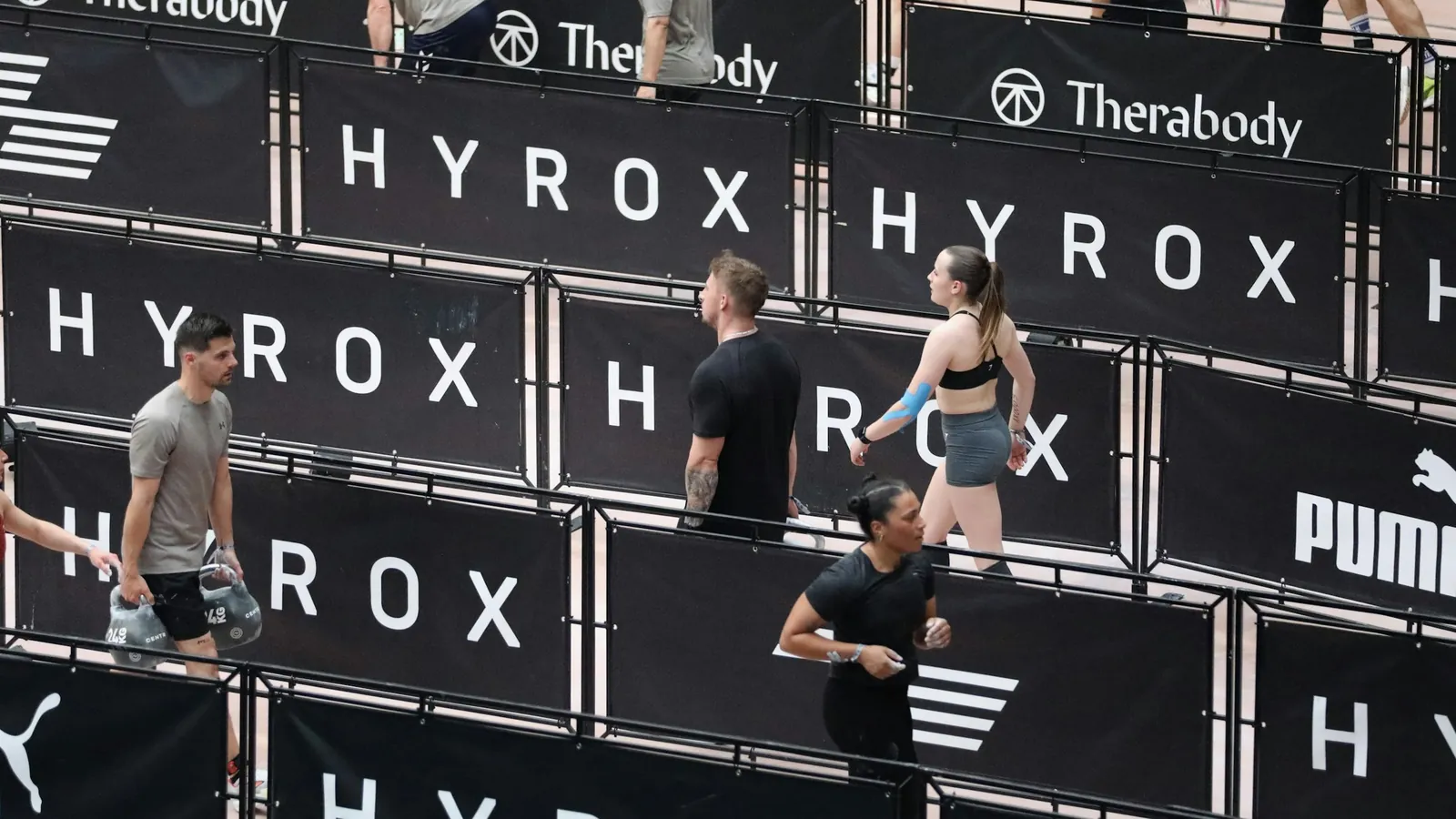
- Fitness racing has given general clients a goal. Hyrox, which pairs running with functional strength stations, has grown from around 650 competitors at its first event to more than a million participants worldwide, as Reuters reported in August 2026, via The Star. A race date that needs both strength and an engine turns a general client into a hybrid one.
- The longevity case for aerobic fitness has hardened. A Cleveland Clinic study of more than 122,000 adults found cardiorespiratory fitness was inversely associated with long-term mortality, with no limit to the benefit, and low fitness carried a risk comparable to or greater than smoking or diabetes (Mandsager et al., JAMA Network Open, 2018). A healthier heart is now a mainstream reason to train, well beyond runners.
- Clients can now see their conditioning. Heart-rate zones and fitness estimates on the wrist make the engine as measurable as a lift, so it gets attention it never used to.
- The old trade-off has faded. The fear that conditioning costs strength and size has largely given way. A review cited in the series found no meaningful interference with strength or muscle growth, and well-sequenced concurrent training is close to a non-issue.
The culture is moving faster than the training logs. On FitFocus, structured cardio is still only about 2% of what coaches programme, as the cardio report shows. That gap matters to a brand, because clients are pulling coaches towards hybrid and the coaches who follow first set the standard for everyone else.
For a brand, that means the typical coach a consumer meets is physique-led today and drifting hybrid. The specialist segments are smaller, but they set the vocabulary and the standards the rest borrow, from RPE to the prep block.
What each segment trusts
A recommendation only survives a coach's judgement if it fits the way that coach already decides what works. The six archetypes decide in six different ways.
| Archetype | Evidence that earns a recommendation | Categories it touches |
|---|---|---|
| Physique and bodybuilding | Visible change: photos, measurements, how clothes fit. | Commercial machines and cable stations, nutrition, progress-tracking tools |
| Powerlifting | A number on the bar. Performance claims that survive a test day. | Barbells and plates, belts and strength accessories, performance nutrition |
| Olympic weightlifting | Technical precision. Products are judged on whether they help the lift. | Specialist bars and platforms, lifting footwear, elastic and plyometric tools |
| CrossFit | The score and the community. Benchmarks, leaderboards, shared challenges. | Conditioning machines, gymnastics equipment, apparel, challenge and community platforms |
| Hybrid strength and conditioning | Balance. Products that support training several qualities without trading one off. | Wearables for conditioning, sleds and bands, recovery tools |
| Rehab and physio-led | Clinical evidence and screening. A product has to be defensible to a clinician. | Foam rollers and trigger balls, resistance bands, mobility tools |
hale's reading of the published programming patterns. The source data does not measure these columns.
The same product needs a different argument in each segment. A recovery tool is a clinical decision to a physio-led coach, a durability decision to a hybrid coach and an afterthought to a powerlifter until it moves the total. It extends the case the practitioner layer playbook makes for being explainable, since what counts as a good explanation depends on the segment.
Brands should choose their segments before writing the message
- Pick the archetypes whose programming already makes room for your category before deciding what to say to them.
- Win the default, then the specialists. Physique-led coaching reaches the most general clients. The specialist segments are smaller but shape what the rest adopt.
- Match the evidence to the segment, with performance claims for powerlifting, technique for weightlifting, the score for CrossFit and clinical defensibility for physio-led coaches.
- Expect awareness to differ by segment. A brand can be well known among physique coaches and invisible among physio-led ones. A single coach-wide awareness score averages that away. Reading a brand's standing segment by segment is part of hale's tracking work rather than published research, and the case for measuring that layer at all is set out in the recommendation layer research.
What this page does not claim
- No share of coaches per archetype was published, and none is estimated here.
- The evidence and categories columns are hale's reading of how each style programmes. Recommendations and purchases were not observed.
- Many coaches blend these styles, which is the hybrid finding itself.
- The source is approximately 70,000 workouts logged on FitFocus between 2023 and 2026. FitFocus is a premium white-label platform, and its practices lean established and higher-priced. The data speaks strongly for that segment and directionally for coaching overall.
See your brand segment by segment
hale reads awareness, consideration and preference among the coaches who shape your category, cut by the kind of coaching they run, alongside the clients they guide. Research partners can reach us at research@halehealth.io.
Where these figures come from
How we got these numbers
Source. The FitFocus archetype series, quoted without re-derivation: powerlifting, physique and bodybuilding, Olympic weightlifting, CrossFit, hybrid strength and conditioning and rehab and physio-led (September and October 2026). Each analysed approximately 70,000 workouts logged on FitFocus between 2023 and 2026. FitFocus is one of the platforms behind the hale panel.
External sources. Hyrox participation is from Reuters, via The Star (August 2026). The fitness and mortality finding is from Mandsager et al., JAMA Network Open (2018). The machine versus free-weight and concurrent-training reviews are as cited in the FitFocus series. These are attributed, not hale's own findings.
Definitions. An archetype is a programming style identified from what practices programme, not a self-reported label. Programming signatures and positions are quoted from the series. The evidence and categories columns are hale's interpretation for brands. The 70,000 is a workout count, never a coach count.
Scope. The source is approximately 70,000 workouts logged on FitFocus between 2023 and 2026. FitFocus is a premium white-label platform, and its practices lean established and higher-priced. The data speaks strongly for that segment and directionally for coaching overall. CrossFit in particular is a smaller presence on FitFocus than in dedicated affiliate gyms. How every hale figure is produced is set out in how hale measures.
Privacy. Everything is aggregated and anonymised. No individual coach, client or business is identifiable, and no personally identifiable information is included.
Frequently asked questions
What are the main types of fitness coaching?
Programming data from FitFocus identifies six archetypes: physique and bodybuilding, powerlifting, Olympic weightlifting, CrossFit, hybrid strength and conditioning, and rehab or physio-led coaching. Each builds programmes around a different goal and progresses clients by different rules.
Which type of coaching is most common?
Physique and bodybuilding is the largest style by training volume on FitFocus, and the default most general clients end up on. Hybrid strength and conditioning is where the styles are converging.
Why is hybrid training growing?
Several forces at once: fatigue with lifting-only routines, fitness racing such as Hyrox giving general clients a goal that needs strength and endurance, stronger evidence linking aerobic fitness to a longer life, wearables that make conditioning visible, and research showing conditioning need not cost strength.
Why should a brand segment coaches?
Because each archetype trusts different evidence. Performance claims land with powerlifting coaches, technique with weightlifting coaches, the score with CrossFit, and clinical defensibility with physio-led coaches. A single message to all coaches misses most of them.
Does hale publish brand awareness by coach segment?
No. The segmentation is published; a brand's standing within each segment is read inside hale's tracking engagements for that brand and its competitors.
Published October 2026. Archetype descriptions are first published in FitFocus's six-part archetype series (September and October 2026), drawn from approximately 70,000 workouts logged between 2023 and 2026, aggregated and anonymised. Hyrox participation and the fitness and mortality finding are external sources, attributed rather than claimed. hale is a health-tech holding company; its coaching platforms, QuickCoach and FitFocus, form the network behind this research. To see what this looks like for your brand and competitive set, start a conversation or reach us at research@halehealth.io.
How hale research works: the panel, the instruments and the privacy rules.