Every wellness brand reads a performance dashboard, and the reading is usually reassuring. Spend goes in, clicks and sales come out, the attributable part of demand gets a number. The trouble is what the dashboard cannot see: the demand that was decided before the search happened. In health and wellness, a meaningful share of what gets bought was chosen earlier, in a conversation with a coach or practitioner, by someone the buyer trusts more than any ad. That is the professional-mediated share of demand, and it is the part of your market your attribution stack is structurally blind to.
The title asks for a number, and honesty first: we are not going to give you one. The client-side cut that would size the share, a survey of clients asking how much of each purchase a professional prompted, has not been run. What follows is what the published evidence does establish about the mechanism, and why the unmeasured share is exactly the one performance dashboards under-count brand by.
The short answer
The share has not been quantified in public, because the client-side cut that would size it has not been run. What the published evidence shows is the mechanism: roughly seven in ten coaches actively recommend, so a large part of category demand is decided at the recommendation layer, before any click a dashboard can attribute.
~7 in 10
coaches recommend at least one supplement category to their clients
985
usable professional responses behind that figure, over a 90-day 2026 window
40,000+
professionals in the hale ecosystem the recommendation behaviour is read from
Where the one number on this page comes from
Source. An internal research project across the hale ecosystem, which serves more than 40,000 fitness and health professionals and their clients. Findings combine a voluntary practice-profile survey (985 usable responses) with platform activity across a 90-day window in 2026.
Definitions. “Recommends at least one supplement category” is the share of surveyed professionals who report recommending one or more categories to clients. The topline is roughly seven in ten, with about three in ten recommending none.
Scope. A read of a professional network, not a census of the entire non-clinical workforce. The ecosystem sample skews towards independent, digitally engaged practitioners, so read it as a directional baseline. Figures are rounded.
Privacy. Everything is aggregated and anonymised. No individual coach, client or business is identifiable, and no personally identifiable information is included.
Where the demand is decided first
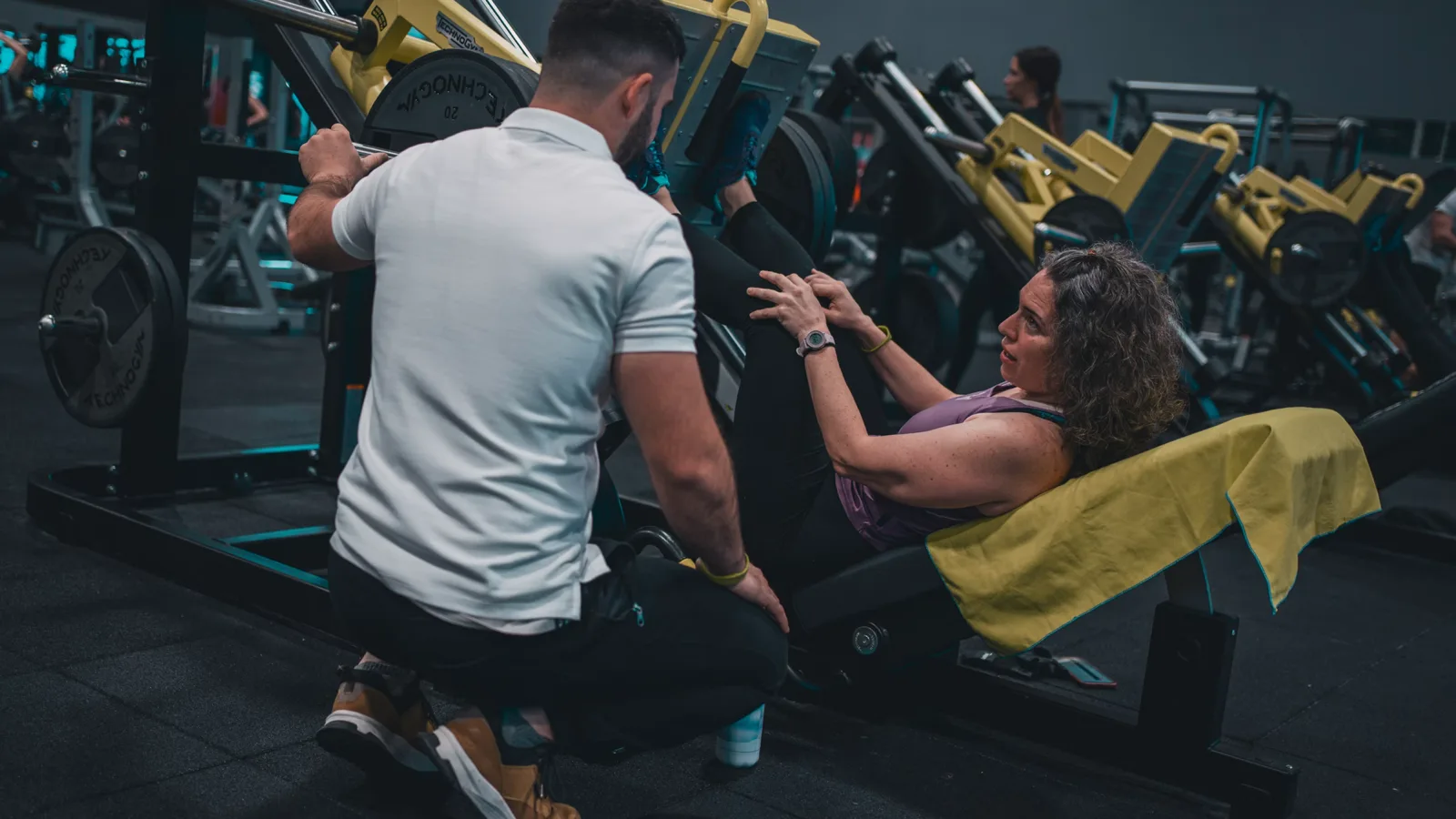
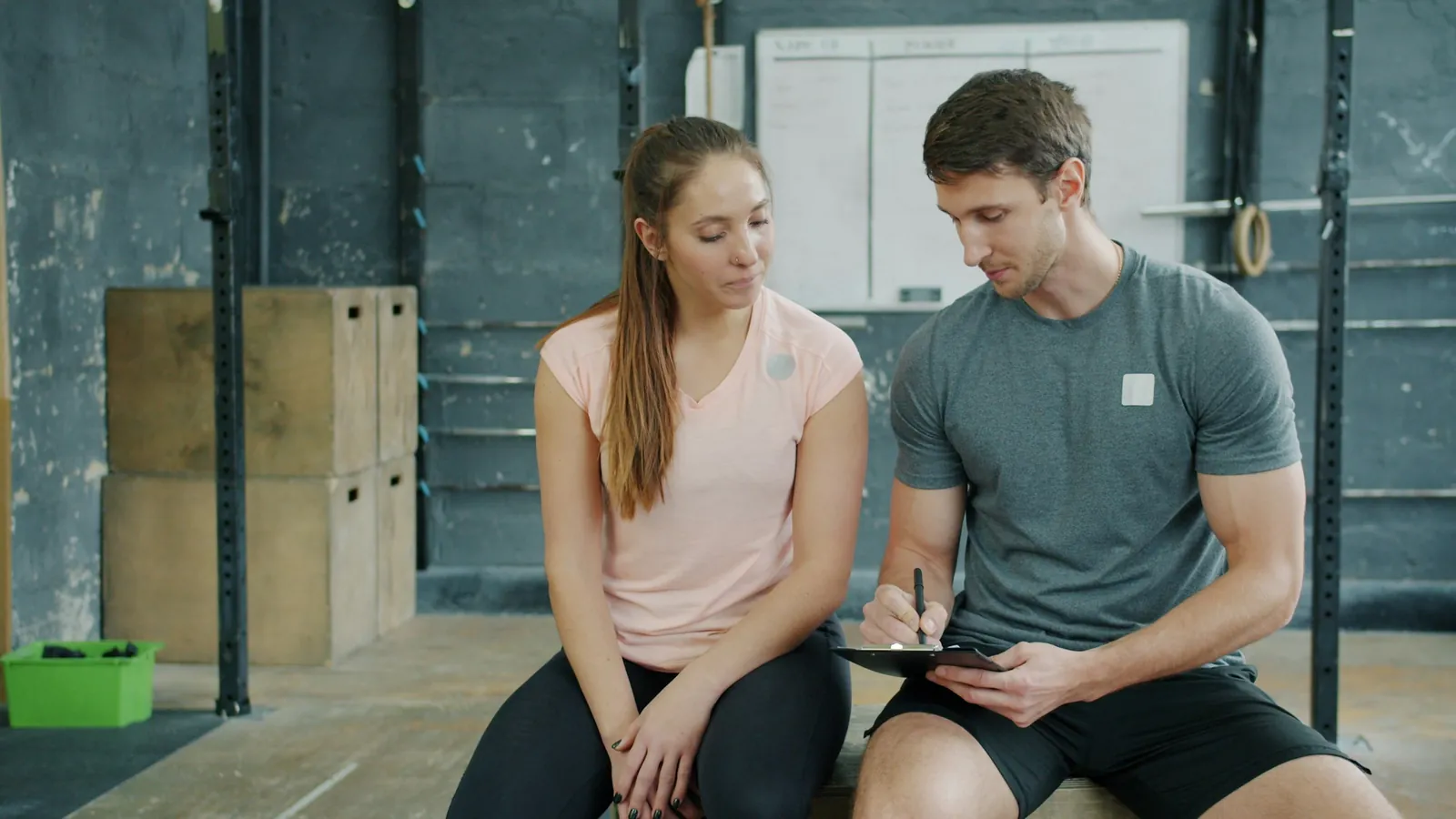
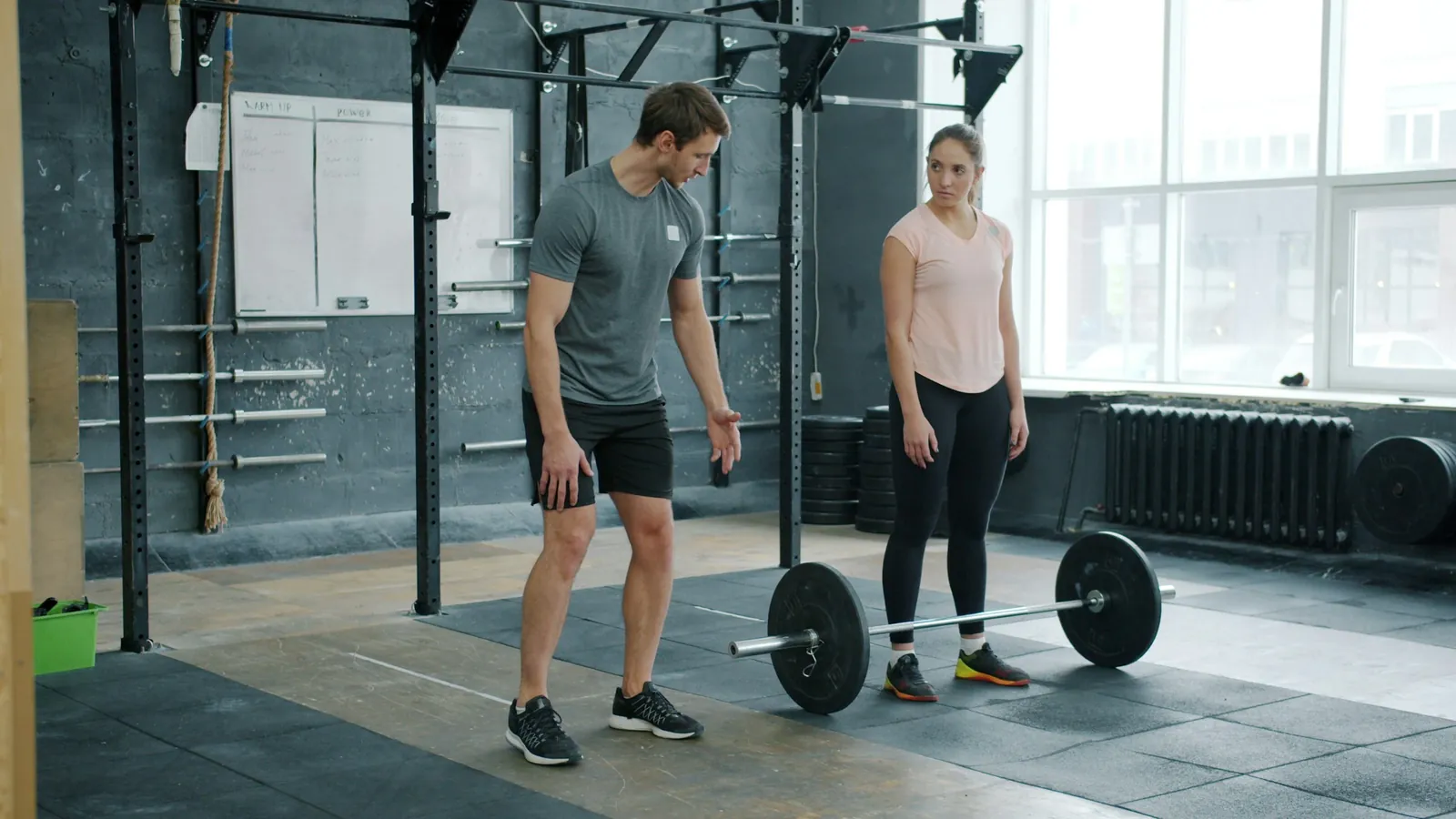
Follow any wellness purchase backwards far enough and it usually stops at a conversation, not a click. A client asks their coach what to take for recovery, or which app to log with, or whether that activewear brand is worth it. The coach answers from experience, the client adds it to a mental shortlist, and weeks later a search happens. The demand was created in the conversation. The search merely collected it.
The professional layer is not a marginal channel. Across the hale ecosystem, roughly seven in ten coaches recommend at least one supplement category to their clients, a population-level read of recommending behaviour drawn from 985 usable responses over a 90-day window. A layer that active is not a rounding error in the funnel. It is where a substantial part of the category gets its shortlist, which is the case the recommendation layer research sets out in full, and the question of whether that influence actually moves purchases has its own evidence in Do Fitness Professionals Influence What Clients Buy?.
Why performance dashboards under-count brand
Attribution, as most brands run it, starts at the measurable moment: the click, the branded search, the coupon code. Everything earlier is darkness. A recommendation from a professional leaves no pixel behind. It happens in person, it is not retargetable, and it lands days or weeks before the conversion event, which is exactly the kind of influence last-click models throw away. The result is a dashboard that systematically credits performance spend for demand that brand activity, and the professional layer in particular, created.
This is the same imbalance Binet and Field documented across categories in their IPA work: roughly 60% of budget to brand building and 40% to activation is the long-run category average, because brand builds the demand that activation harvests. Health and wellness adds a twist most categories do not have. Part of the brand job here is done by people who are not on the brand's payroll at all, the professionals whose word creates the demand. A tracker that measures neither, and an attribution model that starts too late, will read that as performance doing all the work. The fuller argument on where brand and performance each earn their keep in this category is in the brand versus performance guide.
The honest caveat: the share is not quantified yet
What this page does not carry is the number in its own title. Sizing the professional-mediated share needs the client-side cut: clients asked, category by category, how much of each purchase a professional recommendation prompted, method-stamped before anything is published. That cut has not been run. Until it is, the defensible position is the mechanism, not a magnitude: the layer is active at scale, demand passes through it, and the pass-through is invisible to performance measurement.
The same discipline applied to awareness in the awareness gap explainer: structure published, numbers withheld until a paired read earns them. We think an unquantified mechanism you can act on beats a precise-sounding number nobody can defend.
What to do with a dashboard that under-counts
Three adjustments do not wait on the client-side cut. First, read performance results as a floor, not a verdict on brand: a campaign that looks marginal on last click may be harvesting demand a professional conversation created months earlier. Second, put the professional view next to the consumer view when you read either one, because the divergence between them is where the early signal lives; the reason is in Both Sides of the Sale. Third, measure continuously, because a recommendation layer that moves month to month cannot be seen through an annual survey. The metric set that fits is in the brand health metrics guide.
See the demand your dashboard attributes to someone else
If your attribution stack starts at the click and the deciding conversation happened weeks earlier, part of your brand's work is landing in the wrong ledger. hale measures perception among coaches and their clients, continuously, in the markets you care about.
Frequently asked questions
What is professional-mediated demand in health and wellness?
It is the share of category demand decided, in whole or in part, by a professional recommendation before the consumer shops for the product. The share has not been quantified in a published cut, but the mechanism is established: across the hale ecosystem, roughly seven in ten coaches actively recommend at least one supplement category to their clients.
Why do performance dashboards under-count brand in this category?
Because attribution starts at the measurable click, and the professional's recommendation happens earlier and leaves no tracking signal. Last-click models credit the harvest to performance spend while the demand creation, including the part done by professionals, goes uncounted. That is the demand a brand-side investment creates and a dashboard never assigns back.
How much wellness demand does a professional decide?
No published figure exists yet, because the client-side cut that would size it has not been run. What is published is the professional side of the mechanism: roughly seven in ten coaches recommend at least one supplement category. When the client-side cut is run and method-stamped, the share will headline its own report.
Published September 2026. The professional-side figure on this page is drawn from an internal research project across the hale ecosystem of 40,000+ professionals and their clients; the client-side share of purchases prompted by a recommendation has not been run and nothing on this page estimates it. The 60/40 budget split is cited as a category-average finding from Binet and Field's IPA work, not hale's own claim. To see what the recommendation layer looks like for your brand, start a conversation or reach us at research@halehealth.io.