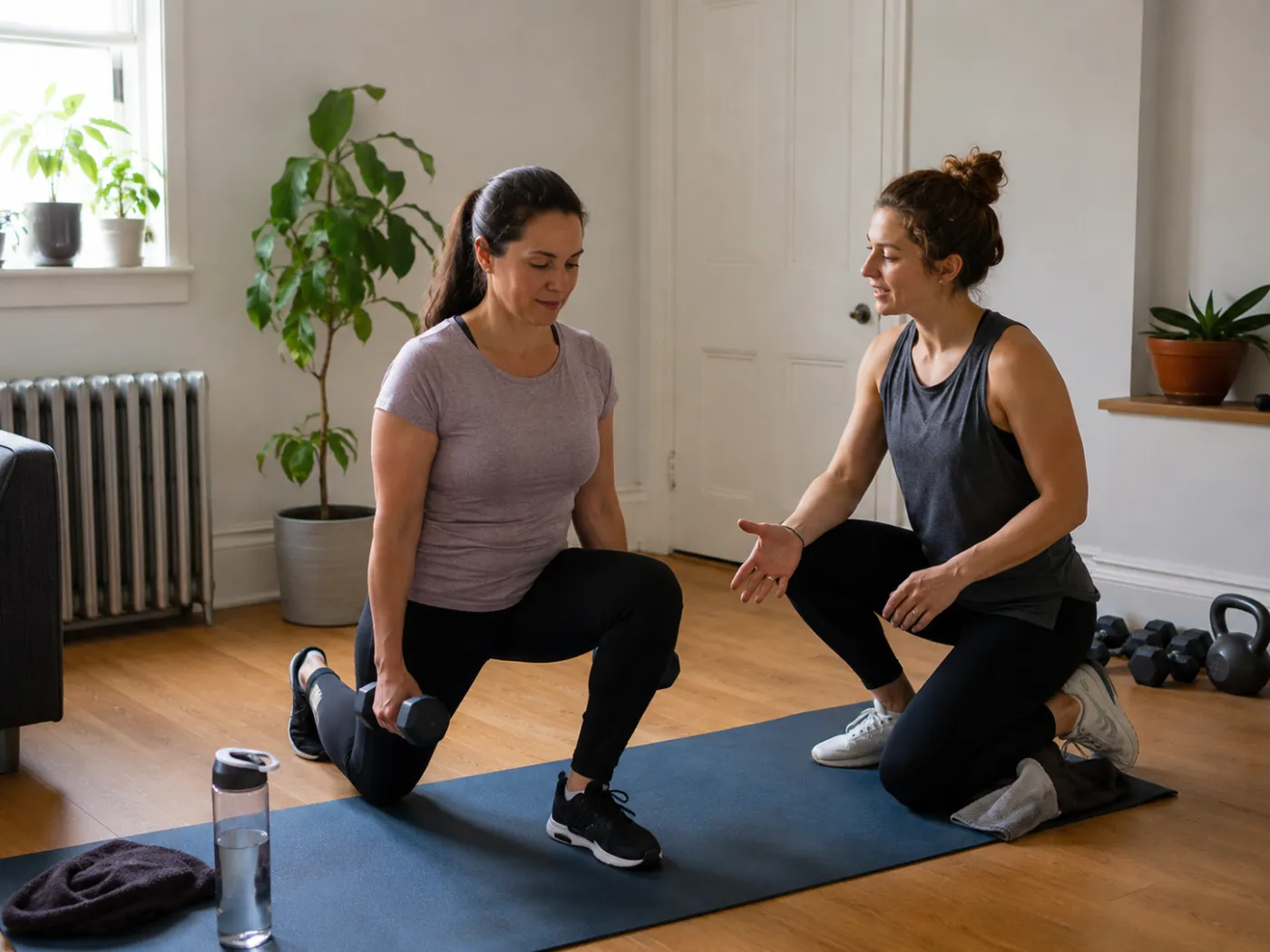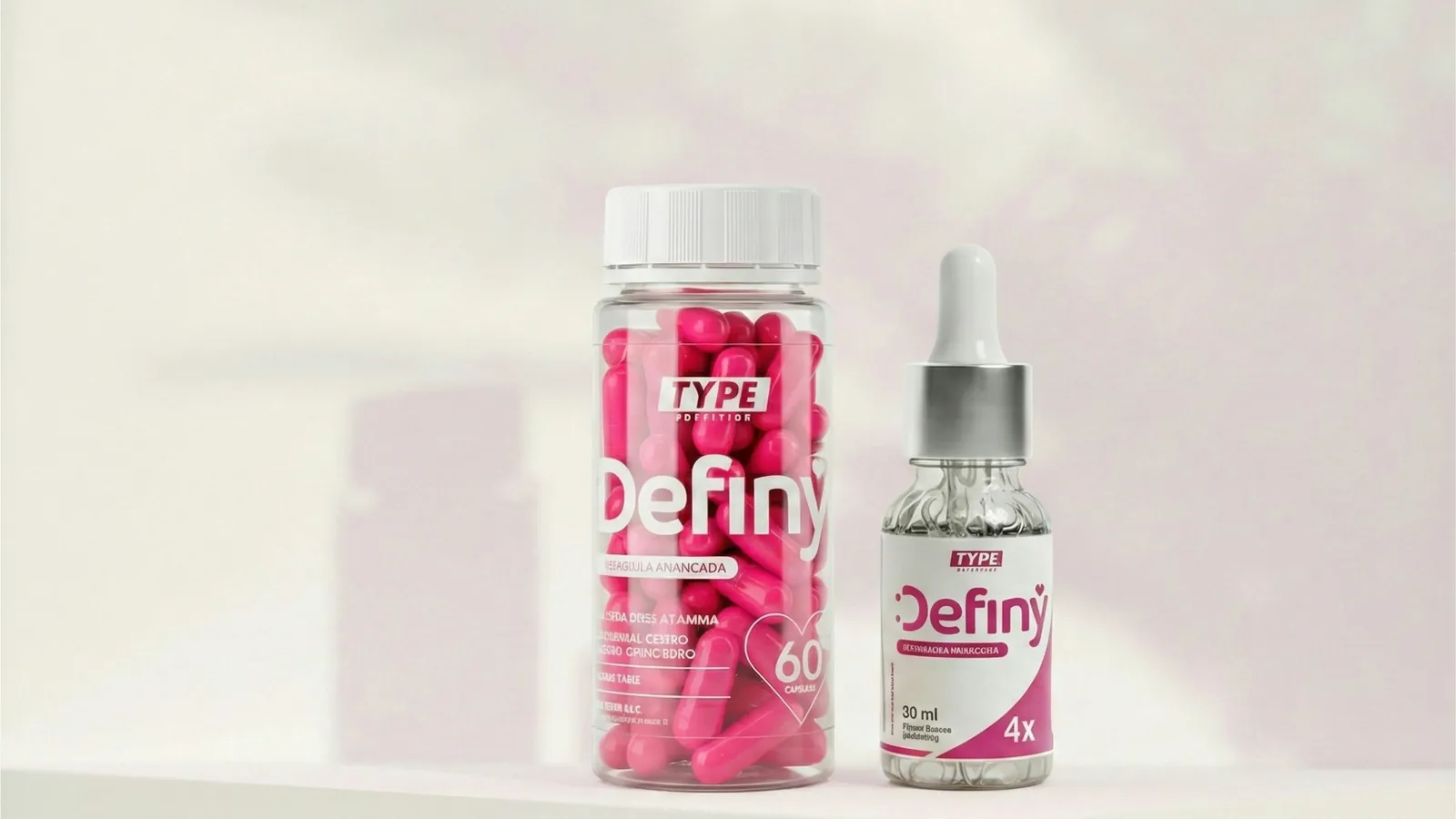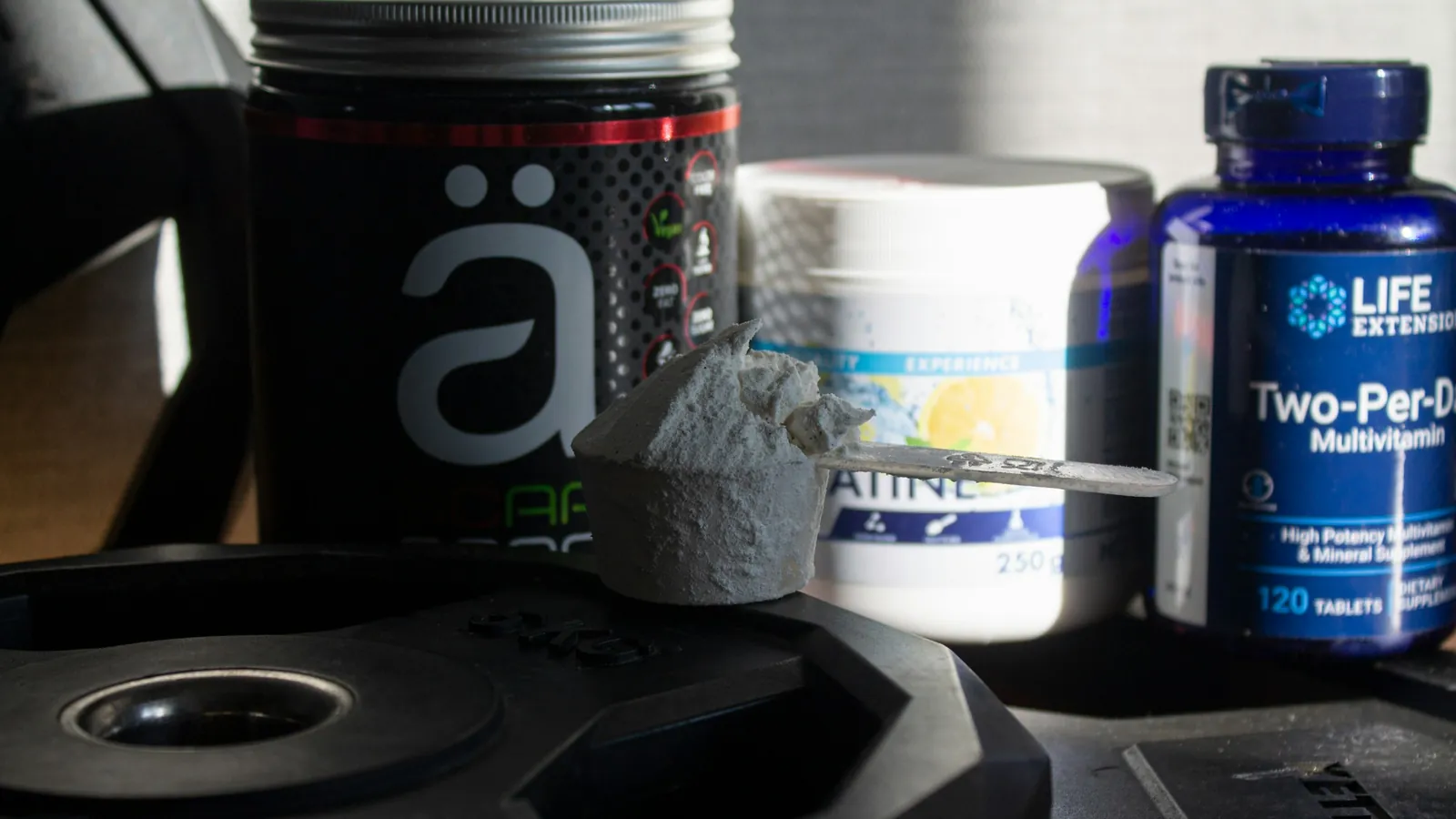
There is a layer between a health or fitness brand and the person who buys it, and most brands never measure it. Before a consumer settles on a supplement, an app or a piece of kit, someone they already trust has often settled it for them. A coach. In this category the professional is not a bystander to the purchase. They are frequently the reason it happens.
We can see that layer, because we run the network it lives on. The hale ecosystem serves more than 40,000 fitness and health professionals and the clients they guide. For this report we drew on an internal research project across that ecosystem, pairing a voluntary practice-profile survey with platform activity over a 90-day window. What it shows is simple, and for a brand it is expensive to ignore.
The short answer
Across the hale ecosystem, roughly seven in ten coaches actively recommend at least one supplement category to their clients, and about three in ten recommend none. Read that as a purchase-influence signal, not a general-awareness score. A general-population tracker tells you whether a consumer has heard of your brand. This tells you whether the professional standing between you and that consumer is putting your category into their hands in the first place.
40,000+
fitness and health professionals across the hale ecosystem
~7 in 10
coaches recommend at least one supplement category
152
countries reached across coaches and clients
What this is, in one paragraph
This is a read of a professional network, not a general-population poll. Findings combine a voluntary practice-profile survey of active users (2,184 valid responses, fielded March to September 2026) with platform activity across a 90-day window in 2026, drawn from the hale ecosystem of more than 40,000 professionals and their clients. Everything is aggregated and anonymised, with no individual coach, client or business identifiable. The full method sits at the foot of the page.
Why the recommendation layer decides more than awareness does
In most categories a brand can win on broad awareness. Health and fitness is different, because the buyer often hands the decision to someone else on purpose. A client pays a coach precisely so they do not have to work out which programme, which app or which product is right for them. When the coach answers that question, the brand has been chosen a step before the consumer ever weighed in. General-population tracking is built to measure the consumer's own awareness, so it is watching the wrong moment, just after the decisive one has already passed.
That is why a recommend-rate is worth more than a recall score here. The first thing our data establishes is that this layer is active, not incidental.
Coaches who recommend supplements to clients
Share of surveyed professionals, by whether they recommend any supplement category at all
Share of surveyed professionals. The category-by-category breakdown beneath this topline is held as part of hale's brand-tracking work, available to research and commercial partners.
Note what we are not doing here. We are not ranking the brands inside any category in public, because the point for a brand is not our league table, it is that a measurable majority of the professionals guiding real buyers are making recommendations at all. The frequency order of the categories the layer pushes sits in the standalone read on inside the supplement category; which brands win inside that majority is exactly the question continuous tracking is built to answer, for one brand and its competitive set at a time.
These are professionals, and that is why the recommendation carries weight
A recommendation is only worth measuring if the person making it is credible and consistent. The behaviour data says this workforce is both. Nearly 29% of all platform sessions happen between 8am and midday local time, activity stays high through the afternoon, and fewer than 2% of sessions land overnight. The pattern holds across geographies and time zones. This is the rhythm of a working professional, not a weekend hobby, and it is the subject of the standalone report on the professional-workforce behaviour signal.
When the work actually happens
Share of platform sessions by local time of day
Based on platform activity across coaches with session data. A professional working day, not a hobby pattern.
This matters to a brand because trust is the mechanism. A recommendation from a professional a client pays and returns to every week is a different instrument from an ad impression. It is the difference between being seen and being vouched for, and the second one is far harder for a competitor to buy their way past.
The layer is global, and it crosses borders
This is not a local phenomenon. More than 40,000 coaches operate across the hale ecosystem, active in over 110 countries, with clients reached across 152. In 42 of those countries, clients are being coached with no local coach present at all. A recommendation made by a professional in one market routinely lands with a client in another. For a brand thinking about where its category is really won, the people shaping these decisions are not concentrated in a handful of English-speaking markets, and their influence does not stop at a border. The standalone report on the global and cross-border coaching footprint sets out the geography in full. What it means when the professionals and the demand they serve sit in different places is the subject of the geographic demand gap explainer.
See your brand at the recommendation layer
If your category is being chosen, or quietly skipped, by the professionals who guide real buyers, a general-population tracker will be the last thing to tell you. hale measures perception among coaches and their clients, continuously, in the markets you care about.
What this means if you run a health or fitness brand
The recommendation layer is where a meaningful share of your category is decided, and it is the part of your market you are least likely to be measuring. Awareness can look healthy on a general-population dashboard while the professionals who shape real purchases drift towards a competitor. By the time that shows up in consumer numbers, the ground has already moved. If you are new to the discipline, the guide to what brand tracking is walks through the measures and what they tell you. The instrument you need is a different one, continuous, two-sided, and pointed at the people who define the category rather than the general public.
That is the layer hale measures. For why the professional and the consumer have to be read together, rather than one standing in for the other, see Both Sides of the Sale. For how word of mouth works in this category, and why a coach's recommendation carries more weight than an ad, see Word of Mouth in Fitness. For the standalone data report on whether professionals actually influence buying, see Do Fitness Professionals Influence What Clients Buy?. For the annual read on the demand side, the consumer trends that sit behind these recommendations, see the State of the Health and Wellness Consumer 2026. For the metrics that describe a brand's health, and how to read them, see the brand health metrics guide. And for the awareness metric this layer bends, and why consumer scores lag the professional view, see the awareness gap explainer. For the brand-side question that follows once you accept the layer exists, how a product actually earns a place in it, see the practitioner layer playbook.
Three newer reports sharpen the picture. When coaches describe a supplement that has worked, fewer than 1 in 20 name a brand, which is why coaches recommend ingredients, not brands. Recommending coaches name 2.2 categories each, so the layer hands clients a shortlist rather than a single product. And the client side keeps different hours from the coach side: clients act in the evening on advice given in the working day. How every one of these figures is produced is set out in how hale measures.
One more question sits behind all of this, and it is the one brands reach once they accept the layer exists: how long does a recommendation last? A professional who names a brand once and moves on has given it a trial, not a position. What makes an endorsement hold across clients and over time, and why nobody has put a defensible number on it yet, is the subject of Do Coaches Recommend the Same Brand, or Switch?.
Methodology and limitations
How we got these numbers
Source. An internal research project across the hale ecosystem, which serves more than 40,000 fitness and health professionals and their clients. Findings combine a voluntary practice-profile survey (2,184 valid responses fielded March to September 2026, with the rate holding between 64% and 74% in every monthly cohort) with platform session activity across a 90-day window in 2026.
Definitions. “Recommends at least one supplement category” is the share of surveyed professionals who report recommending one or more categories to clients. Category-level and segment-level breakdowns sit beneath this topline and are held as part of hale's brand-tracking work, available to research and commercial partners rather than published here.
Scope. This is a read of a professional network, not a census of the entire non-clinical workforce. The ecosystem sample skews towards independent, digitally engaged practitioners, so figures should be read as a directional baseline. Reaching this audience any other way is slow and costs materially more, which is part of why the layer is so rarely measured. Figures are rounded.
Privacy. Everything is aggregated and anonymised. No individual coach, client or business is identifiable, and no personally identifiable information is included.
Frequently asked questions
What is the recommendation layer in health and fitness?
It is the professional layer that sits between a brand and the consumer. In health and fitness, coaches and trainers frequently shape or make the purchase decision on a client's behalf, so a brand is often chosen at the recommendation layer before the consumer forms their own view. hale research finds roughly seven in ten coaches recommend at least one supplement category to clients.
How is the recommendation layer different from influencer marketing?
Influencer marketing buys reach with an audience. The recommendation layer is a professional judgement made inside a paid, one-to-one relationship, at the moment a client asks what to use. That is why it cannot simply be bought, and why a general-population tracker, which samples consumers, cannot see it.
Why is general-population brand tracking not enough for a fitness brand?
General-population tracking measures a consumer's own awareness, which in this category forms after a professional has often already shaped the decision. It cannot see the recommendation layer where much of the category is won or lost. Measuring the professionals, and their clients, captures the signal a general-population panel is structurally built to miss.
Published August 2026, drawn from an internal research project across the hale ecosystem of 40,000+ professionals and their clients. hale is a health-tech holding company; its coaching platforms, QuickCoach and FitFocus, form the network behind this research. Category-level and market-level breakdowns are available to research and commercial partners. To see what the recommendation layer looks like for your brand and your competitive set, start a conversation or reach us at research@halehealth.io.
How hale research works: the panel, the instruments and the privacy rules.