A research figure is only as good as the method a reader can check. Every hale report carries its own method box, and that stays. But the same panel and the same instruments sit behind all of them, and a buyer comparing two reports should not have to reassemble the method from footnotes. This page sets it out in one place.
It covers who is in the panel, which instruments produce which figures, the rules a number has to pass before it appears on a page, what stays inside a paid engagement, and how the same machinery becomes continuous brand tracking for a single brand.
The short answer
hale reads a two-sided network: coaches and the clients they guide, on the QuickCoach and FitFocus platforms. Every published figure comes from a named instrument, carries its sample and window, and is aggregated and anonymised. Toplines are free to cite. Brand-level, country-level and segment-level cuts stay inside tracking engagements.
2,184
valid coach practice-profile responses, March to September 2026
168,174
client sessions read across 152 countries
40,000+
fitness and health professionals across the hale ecosystem
What this is, in one paragraph
This is the reference method for hale's published research, not a report with a finding of its own. Every figure on this page is already published in a named report and is restated here so the instruments can be compared side by side. The panel skews towards independent, digitally engaged practitioners on QuickCoach and FitFocus, so all of it reads as a strong signal about that network and a directional one about the wider non-clinical workforce. Everything is aggregated and anonymised. The full privacy note sits at the foot of the page.
Who is in the panel
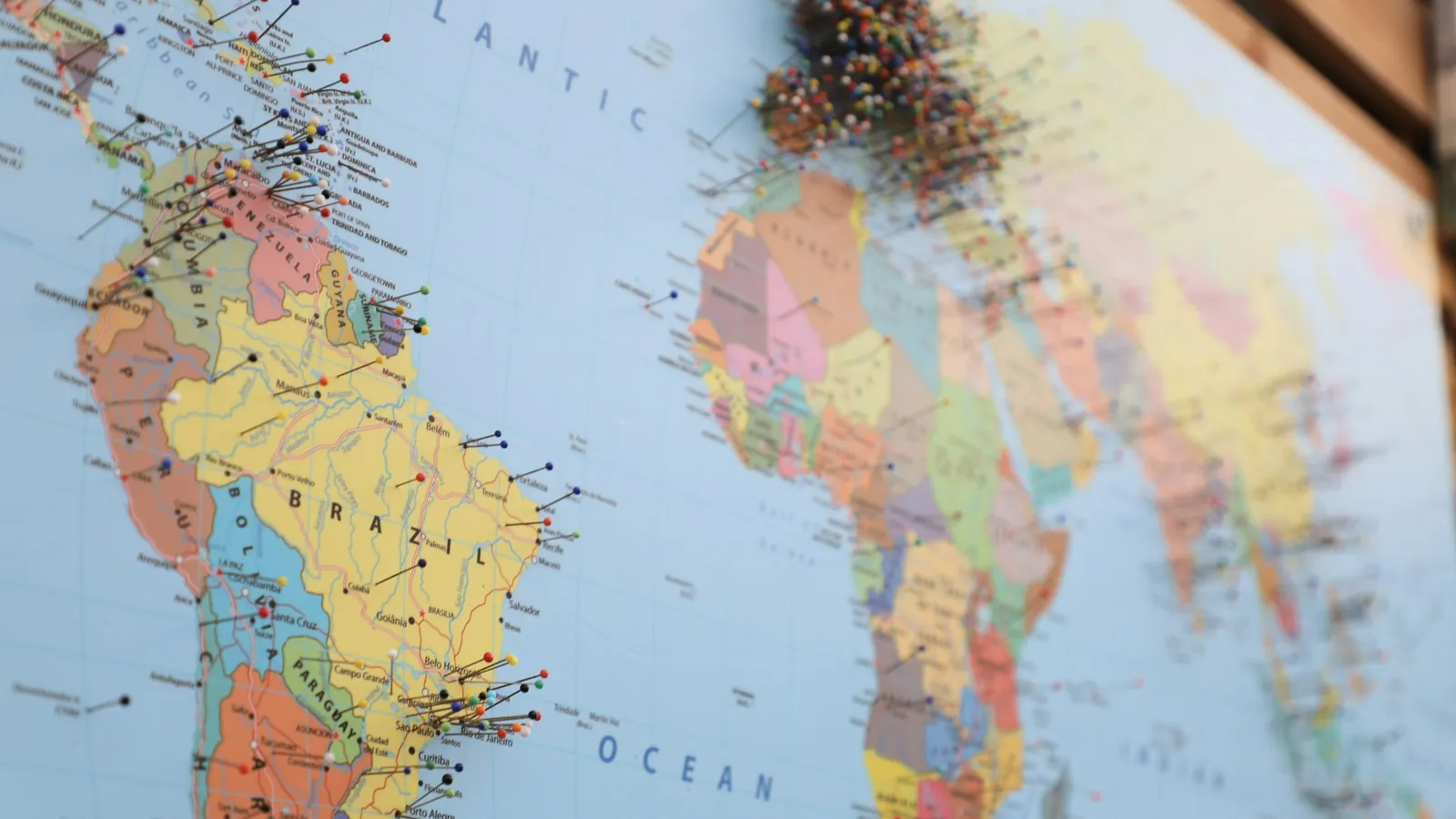
The panel is the network hale's coaching platforms already run. More than 40,000 fitness and health professionals work across the ecosystem, active in over 110 countries, with clients reached across 152. Both sides are present: the coach who advises, and the client who acts on the advice. That is what makes the panel two-sided, and it is the reason for reading both together, set out in Both Sides of the Sale.
It is not a census. Coaches who use digital tools heavily are over-represented, and the survey and session reads come from QuickCoach. We name that skew on every report rather than weighting it away, because a reader can adjust for a stated bias and cannot adjust for a hidden one.
The instruments behind every figure
Five instruments produce everything published so far. Each answers a different question, and each figure on the site traces back to exactly one of them.
| Instrument | What it measures | Sample and window | Published in |
|---|---|---|---|
| Practice-profile survey | Whether coaches recommend supplements, and how many categories | 2,184 valid responses from 2,253 coaches, 28 March to 3 September 2026 | the professional influence report; recommendation breadth |
| Open-text question in the same survey | What coaches name, unprompted, when describing a supplement that worked | 924 substantive answers in the same window | ingredients, not brands |
| Platform session activity | When coaches and clients use the platform, by local time | 92,193 coach and 168,174 client sessions, 90-day window in 2026 | the workforce behaviour report; Both Sides of the Day |
| Account geography | Where coaches and clients are based | 90-day window in 2026 | the cross-border footprint |
| Coach supplement audit | The order in which supplement categories are recommended | Randomised sample of 1,000 coaches, June 2026 | the supplement category read |
The survey is answered once per coach, so it shows how many coaches do something, not whether the same coach keeps doing it. Repeat behaviour, such as whether a coach names the same brand again, needs a second wave of the same people, and that is a tracking read rather than a panel topline.
How a figure gets onto a page
A number appears in a hale report only after it has been run against the real data, with its denominator named. Coach-share, client-share and session-share are different questions with different answers, and a report says which one it is using. Each data report leads with one new number of its own, so no two reports headline the same statistic.
Soft figures are labelled as approximations, with the reason. The brand-mention share in the open-text read, for example, comes from matching answers against a list of known brands, so it is stated as “fewer than 1 in 20” rather than to a decimal place. Nothing is estimated, modelled or borrowed from another source to fill a gap. Where a question has not been asked of the panel, the report says what would answer it and stops there.
What stays gated
Toplines are free to cite, with attribution. The cuts beneath them are the paid product: recommend rate by coach experience or roster size, which categories travel together, country-level splits and every brand-level read. That line is deliberate. A topline tells a brand which question to ask about its category, and the answer is specific to that brand and its competitors.
Independence
hale is part of the Hale Health holding company, which also owns consumer products, including Superset, a supplement brand. hale research never names or ranks a portfolio brand, and categories a portfolio brand sells are reported inside aggregates rather than headlined. No client brand's tracking data is ever published, and published reports are not sponsored by any brand.
From panel to brand tracking
Published research points the instruments at a category. A tracking engagement points them at one brand and the competitors it names, every month: awareness, consideration, preference and trust among the coaches who recommend, read next to the same measures among the clients who buy. The measures themselves are explained in the brand tracking guide, why the professional side carries so much weight is set out in the recommendation layer research, and how a continuous read runs in practice is on the brand insights page.
Point the panel at your brand
The method on this page produces the published toplines. The same instruments, run monthly against your competitive set, show where your brand stands with the professionals who recommend and the clients who buy.
Privacy and limitations
How the data is handled
Source. The QuickCoach and FitFocus coaching platforms that make up the hale ecosystem: the practice-profile survey, platform session activity, account geography and the June 2026 coach supplement audit, each described above with its sample and window.
Definitions. Session timing uses the local time of the person using the platform. Survey shares are unweighted shares of valid responses; coaches who ticked both a supplement category and “I don't recommend” are counted as recommenders.
Scope. A read of a professional network and its clients, not a census of the non-clinical workforce or the general population, and not health or nutrition advice. Figures are rounded.
Privacy. Everything is aggregated and anonymised. Analysis runs on aggregates, no individual coach, client or business is identifiable in anything published, and no personally identifiable information appears in any figure.
Frequently asked questions
Where does hale research data come from?
From the QuickCoach and FitFocus coaching platforms in the hale ecosystem: a practice-profile survey of coaches, platform session activity on both the coach and client side, account geography and a randomised coach supplement audit. Each published figure names the instrument, sample and window it comes from.
Is the hale panel representative of all fitness professionals?
No, and every report says so. The panel skews towards independent, digitally engaged practitioners, especially on QuickCoach. Figures are a strong signal about that network and a directional baseline for the wider non-clinical health and wellness workforce.
What does hale publish and what does it keep for clients?
Toplines are published and free to cite. Cuts by coach experience, roster size or country, which categories are recommended together, and every brand-level read stay inside paid tracking engagements, and no client brand's data is ever published.
Published October 2026 as the reference method for hale's research library. hale is a health-tech holding company; its coaching platforms, QuickCoach and FitFocus, form the network behind this research. Questions about the method are welcome at research@halehealth.io, and to see the instruments pointed at your own brand, start a conversation.